
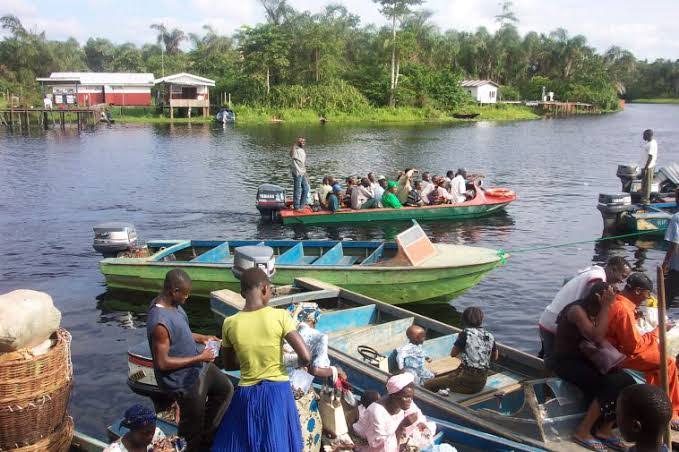
The Ilaje–Ijo war of 1998–1999 was rooted in long-standing social, political, and economic tensions between the two groups in Ondo State. A major remote factor was the Ijo people’s resentment of being called “tenants” by the Ilaje, which they found degrading given their long residence in the area. The Ijo also complained of marginalization in the distribution of wealth and political appointments. These grievances created simmering rifts over time.
The immediate spark was the dispute over ownership of Apata, a coastal area said to be oil-rich. Both groups used history and language to justify their claims. The Ijo argued that Apata was founded by migrant Ijo fishermen and linked its name to “Akpata” in their vocabulary, meaning something mighty. The Ilaje countered that Apata was part of their ancestral Ugbo-Ilaje land, founded by a fisherman named Odudu, and pointed out that “Apata” exists in Yoruba vocabulary with multiple meanings, unlike “Akpata” in Ijo, which they argued was unrelated. The contest intensified when rumors spread of oil deposits in the area, raising its economic and strategic importance.
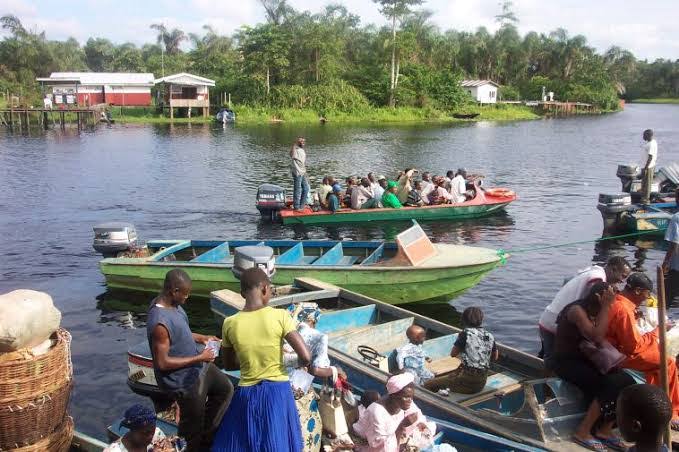
The war broke out on September 19, 1998, when the Ijo launched a surprise night attack on several Ilaje towns, burning homes, looting property, killing, and kidnapping people. They justified the attack by accusing the Ilaje of destroying their Egbesu shrine at Apata, but the Ilaje denied this, claiming the shrine was hastily constructed to stake territorial ownership. Towns such as Apata, Obenla, Awoye, Ilepete, Oroto, and Ilowo were attacked. The Ijo came heavily armed with modern weapons and traditional arms, causing widespread destruction. Many Ilaje fled, leaving behind deserted and burnt towns. Reports to the Justice Adebayo Commission noted the loss of schools, health centers, petrol stations, a bank, and utility projects. Refugees fled to neighboring Ilaje towns, Ikale land, Lagos, Epe, Ogun State, and Okitipupa. Camps were set up to accommodate them.
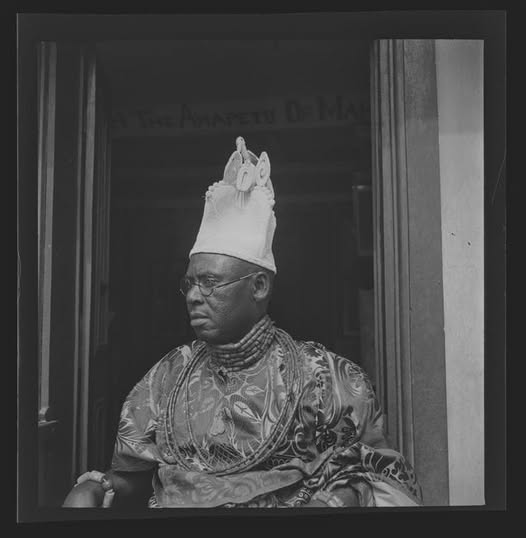
Despite government deployment of security forces, Ode-Ugbo, the Ilaje capital, was attacked on September 28, 1998, leaving many dead, especially children, while rulers fled. The Ilaje accused the government of complicity, as the naval commander sent to the area was Ijo. In total, seventy-six Ilaje communities were said to have been destroyed. The only stronghold that withstood Ijo attacks was Ayetoro, which became the Ilaje base of defense and counter-offense. There, the Ilaje reorganized, fortified the town with surveillance towers, recruited soldiers, and trained them in the use of modern war equipment. War charms and traditional fortifications were also employed. Ayetoro faced fifteen attacks from the Ijo, but their last assault on July 28, 1999, ended in devastating defeat, with corpses left floating in the waters.
After this turning point, the Ilaje launched counter-attacks, capturing and burning Ijo camps such as Piawe, Legha, and Iloro. They expanded their offensive into Ijo territories, including Oroto, which they recaptured in July 1999 after fierce fighting. In August, they attacked Ajapa, a major Ijo stronghold, killing many, including school children, and burning the town. They also advanced to Obenla junction, regaining it, and pushed further into Ijo settlements like Akpata-Ijo, Opuba, Amatebe, Ozidoghama, and Bolowo, razing houses and displacing people.
In September 1999, the Ilaje attempted to drive the Ijo completely out of Ondo State, advancing as far as Sekelewu near the Delta border. However, their campaign was halted on September 24, 1999, when Federal Government troops arrived and occupied strategic points to stop further clashes.

The Ilaje’s counteroffensives marked a reversal of fortunes for the Ijo, who suffered heavy losses at Ayetoro and in subsequent battles. Many fled as refugees to Bayelsa, Delta, and other neighboring states, while some relocated to Ondo towns and Lagos. By August 1999, Gbaraun in Bayelsa was hosting thousands of displaced Ijo people. Meanwhile, Ilaje refugees also continued to spread across neighboring areas.
The conflict left widespread destruction, displacement, and human tragedy. Entire communities were destroyed, families wiped out, and many children orphaned. Both groups endured massive losses, but the decisive Ilaje victories in late 1999, coupled with federal intervention, brought an end to large-scale hostilities.



 Culture Beyond the Mainstream