
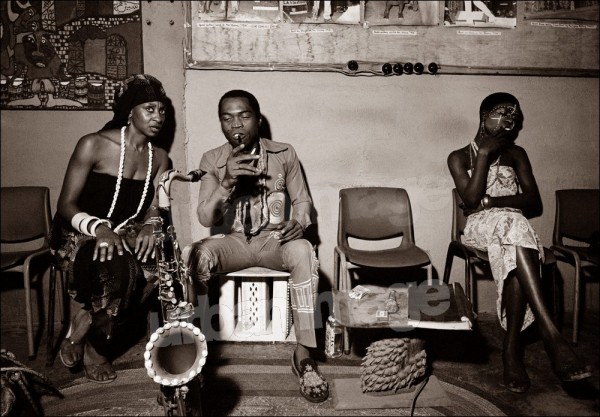
Afrobeat today can be credited to one man, Fela Kuti. the genre emerged in the 1960s and 1970s as a fusion of traditional Yoruba music with jazz, West African highlife, and funk. Fela Kuti, a Nigerian multi-instrumentalist and bandleader, coined the term in the 1960s and is credited with popularising the style both within and outside of Nigeria.
Today, afrobeats is the most popular music genre in and out of Africa, and while Fela is credited with inventing it, not much praise has been given to Fela’s Kalakuta queens, who were frequently the highlights of Fela’s performances. The way they danced on stage and sang backup for Fela was incredible. They were the definition of exotic, and their voices and stage performances wowed every audience.
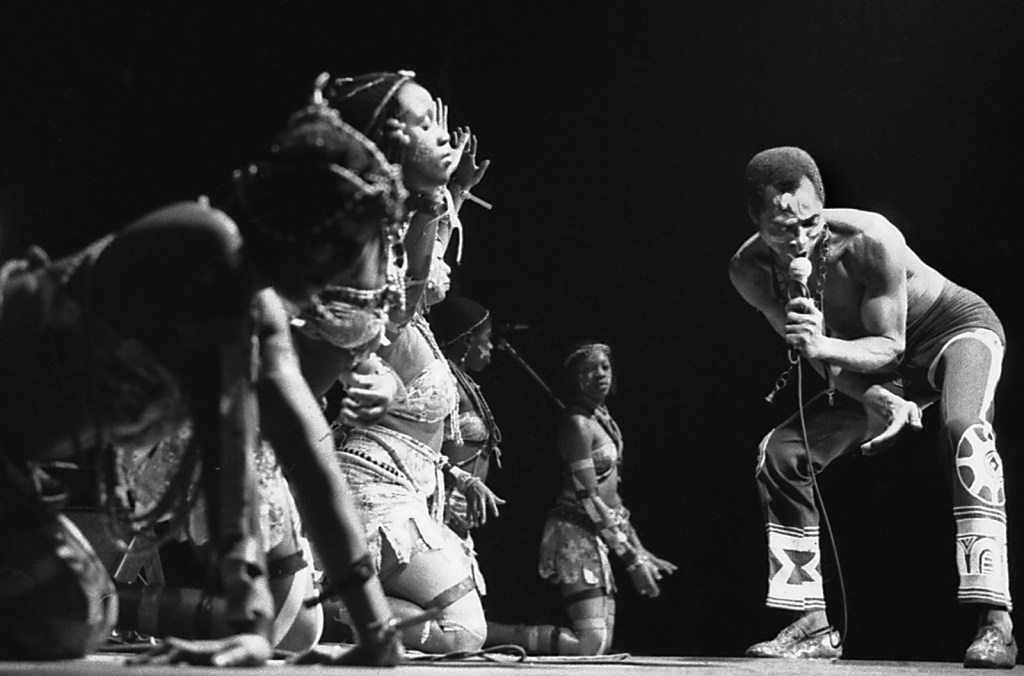
The Kalakuta Queens were a source of inspiration and strength for Fela and because of their involvement with Fela, they also endured intimidation and torture from the police and the general public.
When we look at the lives of this exceptional women, they stood behind Fela, never wavering. The kalakuta queens were fela’s pillar and backbone throughout his struggle.” They stood up for him in the face of adversity, but were given little credit in comparison to Fela. It becomes necessary to tell their story because a Fela story would be incomplete without his women.
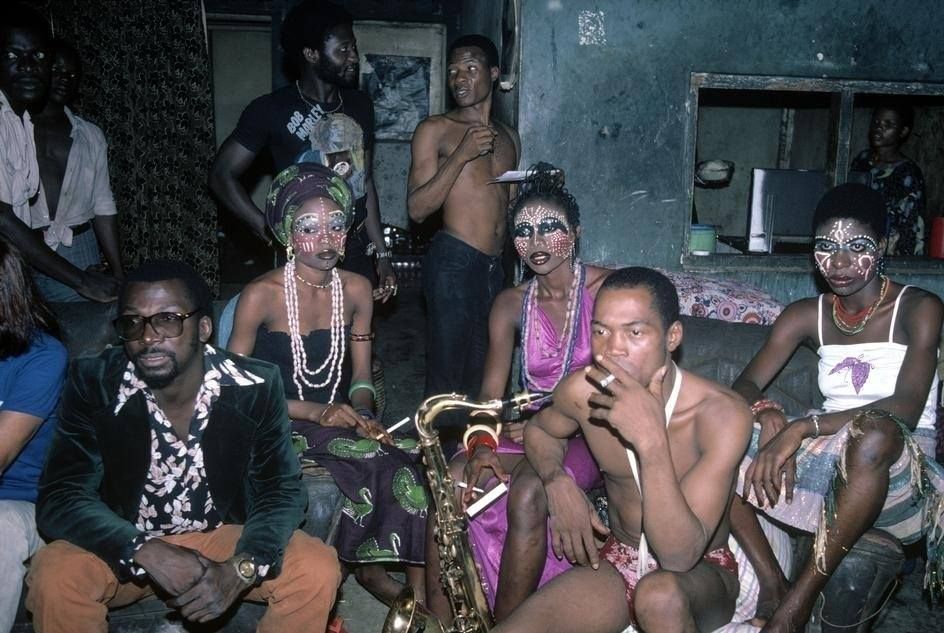
1. They were fearless, courageous, and loyal women: According to Omolara, one of the 27 wives of fela Kuti, testified about Fela’s women’s devotion and loyalty to him, she said “After the attack on Kalakuta Republic in 1977, when soldiers came for us with clubs, petrol, whips, and matches, I was hospitalised for two weeks.” They later charged us with contempt of court, but the judge released us because we had no case to answer. They thrashed the hell out of me. It was a horrible experience that I will never forget, but that didn’t stop us from rallying behind Fela. Some of us were beaten and even raped by the soldiers. “I was stabbed in a particularly sensitive area of my body.”
The kalakuta queens never left Fela’s side during his ordeal. They were there for him through thick and thin.
2. They contributed to the promotion of African comptemporary arts through fashion: After Fela, they were the main attraction. Kalakuta was raised ten steps higher by the women. They introduced elegance and exoticism to afrobeats. Until their arrival, the Afrobeat scene did not become the artistic trend that it is today. The way they decorated their faces with beautiful patterns. Their necks and waists were beaded. They were a zealot.

3. They were the provocateurs of their generation: As teenagers, they stormed Kalakuta and lived freely, disregarding society’s rules. Regardless of who was watching, they smoked marijuana. They couldn’t care less about what other people thought. They were content doing what they loved, which was dancing and singing.
4. They loved Fela: Fela Kuti’s wives expressed satisfaction with their decision to remain with him. When asked why they chose to stay with him despite the difficulties of being with a man like Fela, Najite Mokoro, responded “Because I like him. I understand him. He fights for African freedom and I like him for that too. All of that again. He used to do for me very much and I don’t know, I can’t leave him. I just like him. I don’t know why. Because what Fela can do for me my father can’t do it for me, and my mother too can’t do it for me” .
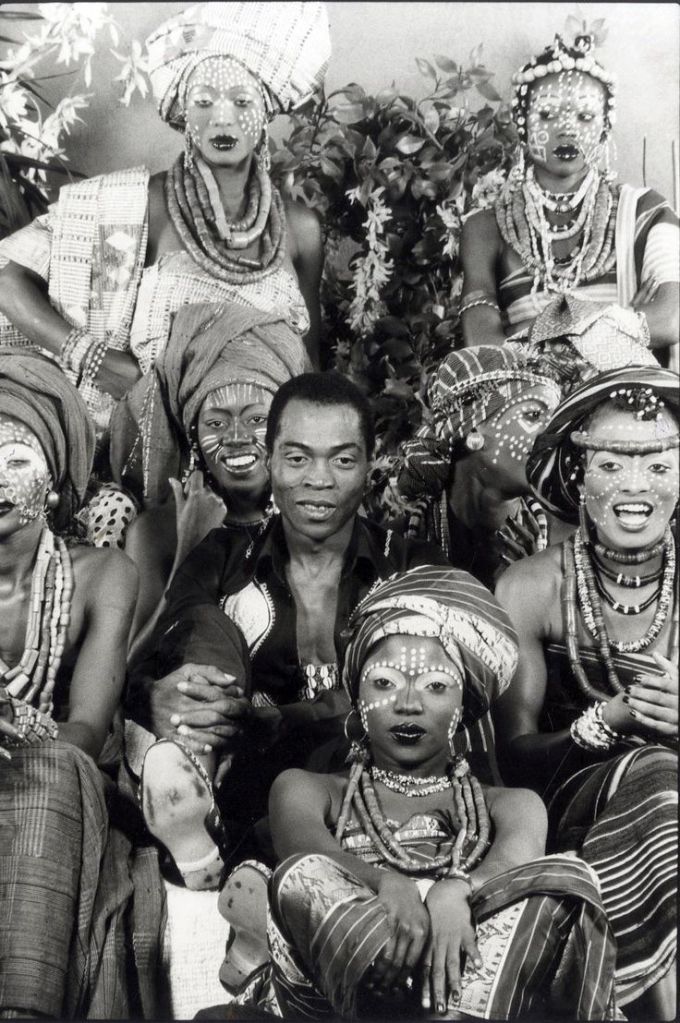
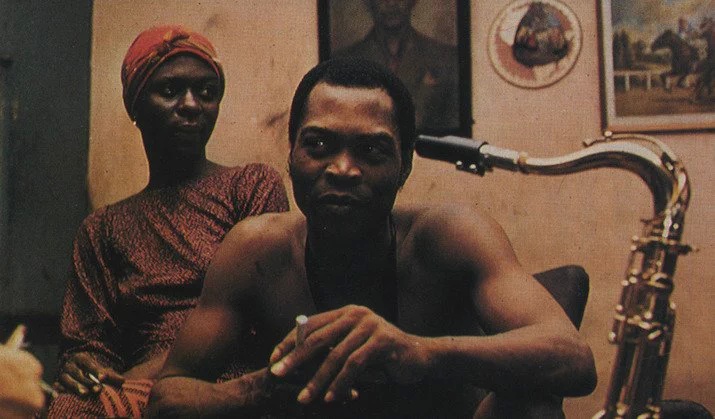

Fela may have been the creator and originator of afrobeat, and his legacy will live on in Nigerian arts and pop culture. The Kalakuta Queens, on the other hand, are the forgotten heroes of Fela’s legacy.They instilled pride in a generation of women who had previously been marginalised by society, and they helped persuade everyone that Fela’s Shrine was, in fact, a safe haven where marginalised people could express themselves freely.
Watch Fela perform Teacher don’t teach me nonsense



 Culture Beyond the Mainstream