
If you want to step back in time to pre-colonial Africa, foreign museums are the best place to go. After imposing foreign rule over most of Africa after 1885 CE, Europeans took much of its history and art with them, which is now displayed in foreign museums all over the world. These museums provide the best look at Africa before the arrival of the colonial masters.
You can imagine what African institutions existed, see examples of pre-Colonial currencies, which industries existed in Africa, and what ideas permeated some African societies through this art and the subjects of these works of art. African art was created with a variety of materials and addressed a wide range of topics, including politics, the abstract, ideas of beauty, and meaning.
1.ART AND EXHIBITION HALL, GERMANY
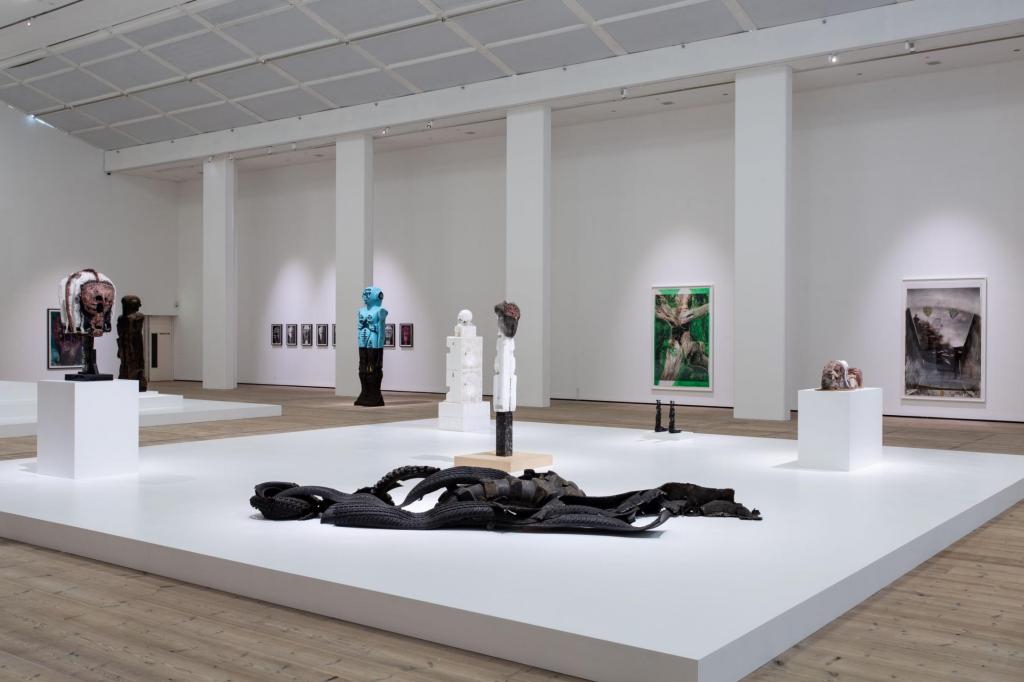
Since its inception on June 17, 1992, the Bundeskunsthalle in Bonn, Germany, has hosted important exhibitions in the fields of arts, cultural history, archaeology, science, and technology.
The Bundeskunsthalle disproves the widely held belief that African traditional arts are devoid of aesthetics and that Africa lacks proper artists. It held its first African exhibition in 2014, which featured a selection of approximately 180 masks, figures, and everyday objects from Ivory Coast and neighbouring countries, created by exceptionally talented artists working in a variety of fields, and sheds new light on the role of the artist in African society.
2. THE BRITISH MUSEUM, UNITED KINGDOM
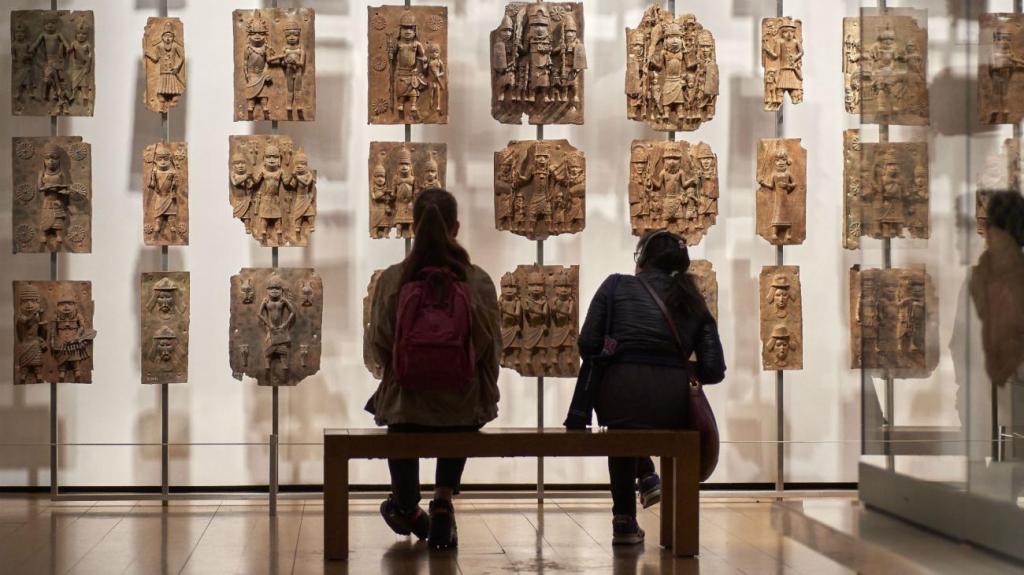
The British Museum, founded in 1753 and opened to the public in 1759, is the world’s first national public museum, attracting approximately six million visitors each year. It has a number of African art pieces in its collection, including a commemorative head of an oba (king) from Nigeria made of cast brass that was looted during the Benin punitive expedition. A sculpture of the Kalabari people of Nigeria’s Otobo masquerade. An Ethiopian St. George painting, Igbokwu bronze castings from 800 AD, Asante gold regalia, African rock arts, and thousands of other African arts.
3. CONTEMPORARY AFRICAN ARTS COLLECTION, GENEVA
Jean Pigozzi, an Italian businessman, founded this private collection of African arts in 1989. Based in Geneva, with no permanent exhibition space. It houses thousands of artworks from all over Africa, including paintings, sculptures, photographs, drawings, installations, and videos by Sub-Saharan African artists. It regularly acquires new artworks and lends works to major art institutions and museums all over the world.
4. DALLAS MUSEUM OF ART, UNITED STATES
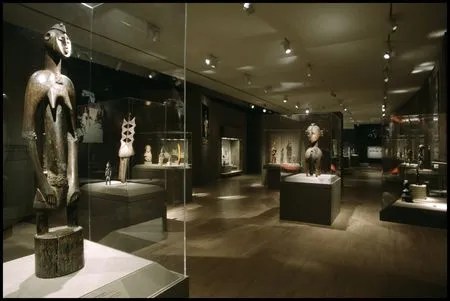
This museum, founded in 1903, is one of the ten largest in the United States. It houses over 24,000 works from all over the world, including classical art and Egyptian artefacts.
It opened an Arts of Africa gallery in 2015, featuring works from the Songye and Luba cultures of central Africa, as well as ancient Benin Kingdom artefacts from West Africa. Its collection includes Ere Ibeji from Nigeria’s Yoruba culture, Manillas that were used as currency in ancient West Africa, a granite sculpture of the Egyptian pharaoh Seti I’s head and upper torso, and thousands of other African arts.
5. METROPOLITAN MUSEUM OF ARTS NEW YORK, UNITED STATES

The Metropolitan Museum of Art is the largest art museum in the United States, with 7.3 million visitors in 2006 across its three locations. It is the world’s fourth most visited art museum. It was founded in 1870 but did not officially open until February 1872 with the goal of enlightening and educating the American people about arts from around the world. Its collection contains over 2 million works, including artworks from Egypt’s ancient classical antiquity as well as extensive African arts. It houses over 26,000 pieces of Paleolithic Egyptian art, including models discovered in a tomb in 1920 and the Temple of Dendur.
6. MUSÉE ROYAL DE L’AFRIQUE CENTRALE, BELGIUM
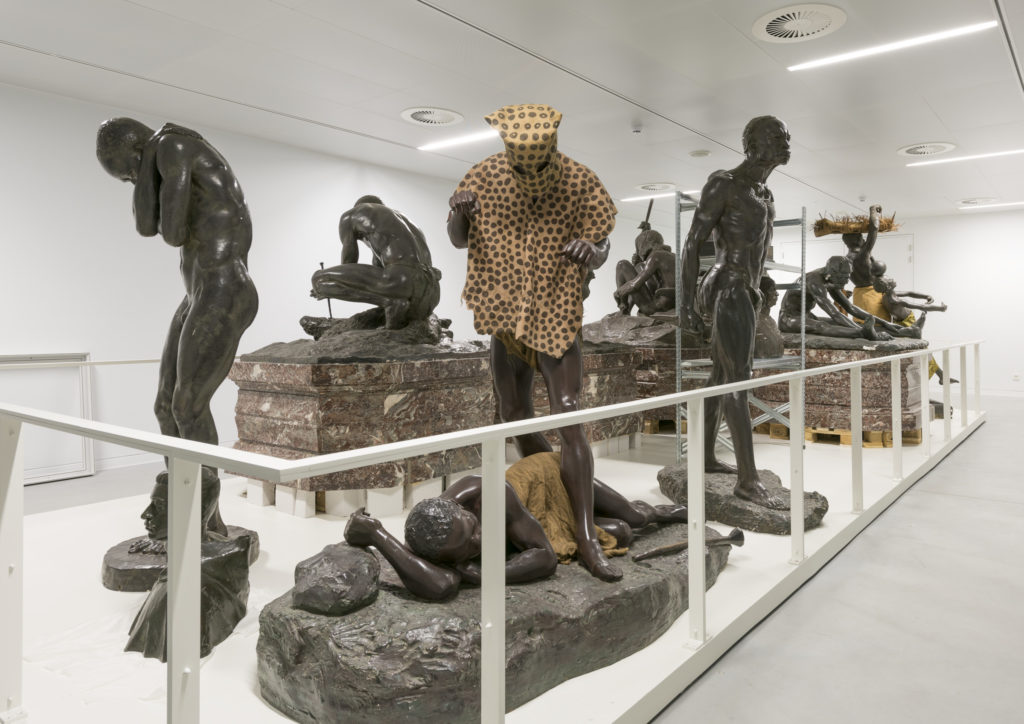
The Royal Museum of Central Africa, which reopened in December 2018 as the African Museum, is located in Tervueren, Belgium. This museum houses the world’s largest collection of Central African arts. It was founded in 1897 and constructed between 1905 and 1908. It was known as the Congo Museum at the time. It was later renamed the Museum of the Belgian Congo before being renamed the Royal Museum for Central Africa in 1960. It was recently reopened on December 9, 2018, after being closed for five years for renovations.
The museum was originally intended to show Belgians the artistic potential of their newly acquired territory, “The Congo,” and to pique their interest. Thousands of objects from all over Africa are now housed in its collections, including 10 million animal specimens, 250,000 mineral samples, 180,000 ethnographic objects, 57,165 xilotheque samples, 20,000 cards, 56,000 wood samples, 8,000 musical instruments, and 350 archival fonds.
Researchers and scientists from all over the world flock to the museum. It employs approximately 75 scientists in the fields of geology, agricultural and forest economics, and culture.
 Culture Beyond the Mainstream