

The Festival of Eyo The Eyo is a masquerade that only takes place on Lagos Island. It is thought to represent the ancestors’ spirits. The Eyo festival may be held in memory of a deceased chief, elder of a ruling family, or Oba. The Eyo Festival, also known as the Adamu Orisha Play, is a Yoruba festival that is now presented as a tourist event by the people of Lagos.
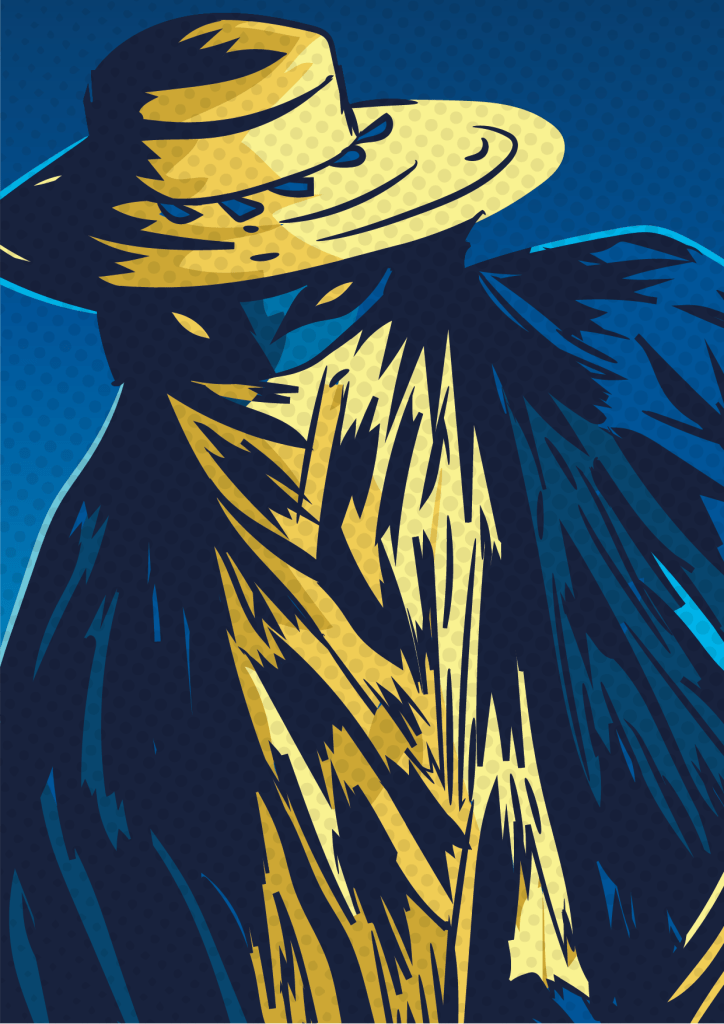
Eyo is traditionally held on a Saturday. Each Eyo leaves the Iga (palace) of a ruling family in the morning and travels to the shrine (Agodo). It is clothed in white flowing cloth from head to toe. The white flowing costume is made up of a ‘agbada’ (top robe) and a ‘aropale’ (the bottom wrap around). It is not expected to see any part of the person carrying the Eyo. The Eyo also wears a ‘Akete,’ a hat with the colours and shield of the Iga from which he is descended. An Eyo may tie ribbons in the colours of his Iga to the Opambata (palm branch) he carries. An Iga’s Eyo can have 50 to 100 members or more.
Each person who wears an Eyo robe must pay a fee for the privilege. This fee is paid to the ruling house of the Iga, whose colours and Akete the Eyo wears. Only adult males may robe as Eyo, though there may be a child Eyo in a group at times. The Iga’s sons and daughters, as well as friends and neighbours, accompany the Eyo on a parade from one end of Lagos Island to the other. Each Eyo’s path begins at the Iga, where the Iga’s Eyo depart in mass, and continues to the Agodo, the shrine of the Orisa Eyo. After that, the Eyo can go wherever their feet can take them on Lagos Island.

According to historians, the first documented show took place in the 19th century at Oke Ipa, which is now the lagoon end of Glover Road in Ikoyi.
Oke Ipa was where the Obas (kings) of Lagos, their titled chiefs, elders, and important dignitaries came from their homes and palaces to watch the Eyo play, sometimes a three-day journey by foot.
Though the purpose of staging the festival has been slightly modified over the centuries – culturally staged in memory of a departed Oba of Lagos or for the enthronement of a new one – it quickly became a cultural display of splendour.
It is now also held in memory of eminent Lagosians who have recently died, or to commemorate visits by State and foreign dignitaries, with a parade ending at Tafawa Balewa Square in Lagos Island.
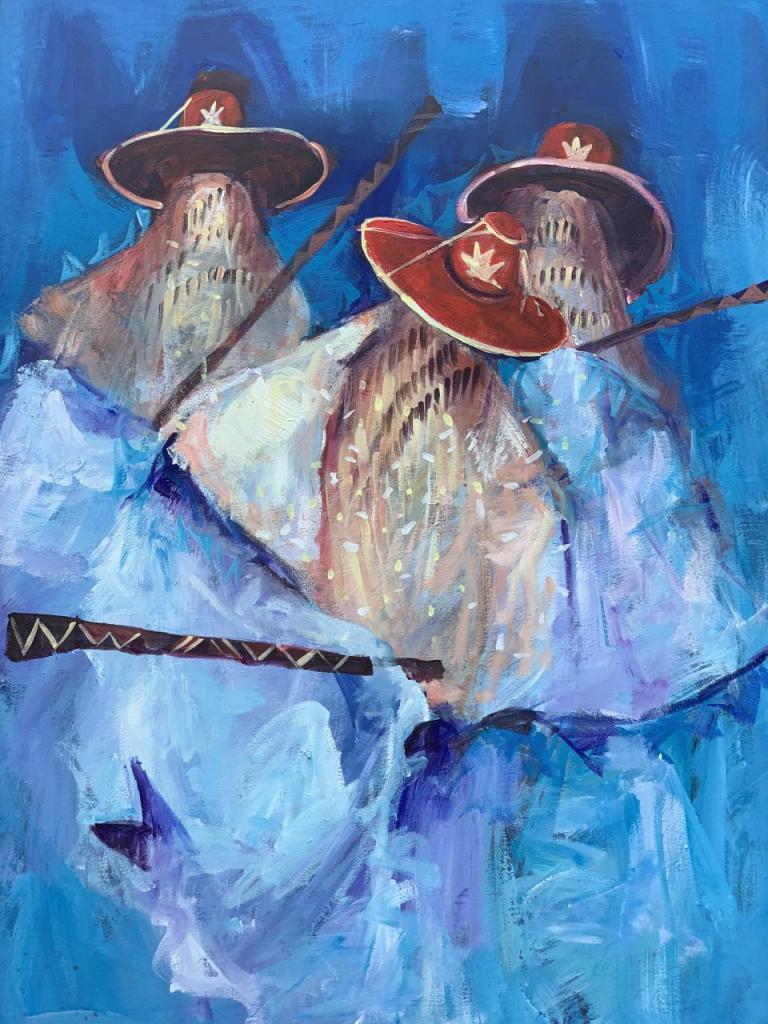
When a King (Oba of Lagos) dies, a festival is held as a sort of farewell rite to a monarch who has just passed away. A request must first be made to the Akinsiku of Lagos, himself the head of the Eyos’, for a festival to commemorate the death of a family member who must be an eminent Lagosian.
The Lagos Akinsiku will then specify what needs to be done to meet the conditions. He requests Ikaro (offerings and gifts), and when the family fulfils this obligation, the Akinsiku collects the offerings and distributes them among Lagos’ deity families.
Though many details are still shrouded in secrecy as they should be, traditional laws require a divination process to follow the distribution of gifts and offerings. This rite is performed at the Awe Adimu, the Eyo Orisa’s sacred sanctuary. This is where a suitable and favourable date for the festival is chosen.
 Culture Beyond the Mainstream