
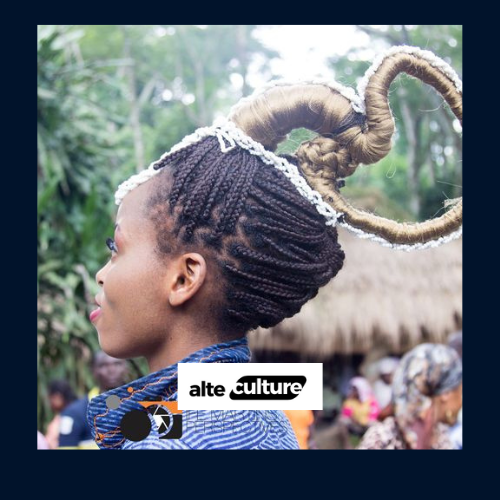
The Yoruba people of southwestern Nigeria have a very rich culture of festivals and rituals that serve as one of the primary means of preserving and transmitting important aspects of their cultures and histories. Osun festival in Osogbo, Olojo festival in Ile-Ife, Sango festival in Ede, Okebadan festival in Ibadan, Ogun festival in Ondo, and a slew of others take place throughout Yorubaland. These festivals hold great cultural, religious, and historical significance for the Yoruba people.
The Osun festival is also celebrated yearly in honour of a woman and as a re-enactment of the mystic pledge among the people of Osogbo in Osun State, southwestern Nigeria. Although the Osun festival is not the only traditional festival in Osogbo, it is the most well-known and glamorous event in the city. The festival is well-known not only among the people of Yorubaland in southwestern Nigeria, but also throughout the world, particularly among Yoruba in Diaspora. It is one of Nigeria’s well-documented cultural festivals, and it has greatly contributed to UNESCO’s designation of Osun Grove as a global cultural heritage site.
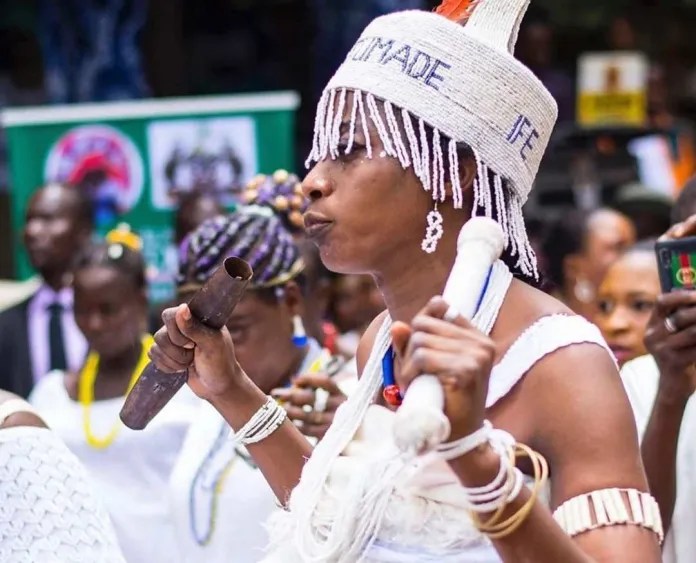
Indeed, the Osun festival has earned Osogbo the status of a cultural capital of Yorubaland following IleIfe as the spiritual headquarters and cradle of Yorubaland.
Osun, the goddess of the Osun River, is revered as a powerful Yoruba deity and the only female among the sixteen major Yoruba deities (Orisa) Osun Seegesi Olooya Iyun is her full name, which translates as “Osun the owner of the flawless, perfectly carved beaded comb.” In their attempt to give the etymology of the word ‘Osun,’ they coined it from ‘Orisun,’ which means’source,’ and thus it could mean the source of a river, a people, or children.
Osun is also revered as a goddess of wealth and beauty, a herbalist or healer, a diviner, a dyer, a giver of children, a goddess of fertility, protection, and blessing, and a leader of women among the Yoruba.
The festival’s origins can be traced back to the Osun goddess’s prominent role in the founding and settlement of Osogbo.
The name Osogbo comes from the word ‘Oso Igbo,’ which means ‘Wizard of the Forest,’ and refers to the goddess herself.
According to another legend, the goddess used the term “Oso Igbo” to refer to Laro and Timehin when the tree fell into the river and she exclaimed, “Ta lo fo ikoko aro mi o?” “Eyin Oso Igbo e tun de o,” which translates as “Who broke my indigo dye pots?” “You forest wizards have returned.”
The annual Osun festival is celebrated through three major categories of activities. These include sacred rituals, secular ritual drama, and a variety of public entertainment activities.
The grand finale, with its spirituality and traditional grandeur, will emphasise the festival’s uniqueness, emphasising that the Osun Osogbo Festival is a cultural and spiritual pilgrimage in accordance with the ancestors and spirits of Osogbo land. Arugba, a young maiden who will carry a calabash on her head as a symbolic sacrifice to the river goddess, is always present at the event.
Traditional rulers, top government functionaries, major stakeholders in the cultural tourism sector, local and international worshippers, devotees, spectators, and tourists are expected at the grand finale of the over 600-year-old international heritage cultural tourism event celebrated as the annual sacrifice to the Osun River Goddess festival, which is of immense benefit to the tourism sector of Nigeria.
 |
 Culture Beyond the Mainstream