

Kayode Onimole illustrations are filled with emotions dancing upon canvas and stories leaping from pages. Kayode Onimole is a luminary whose artistic prowess knows no bounds. With a portfolio adorned by several illustrious works and the creation of his own comic universe, Onimole’s artistic journey is a testament to his unparalleled talent and unwavering dedication to his craft.
One of his most captivating works, “Anyibou and the Mother Hen,” serves as a beacon of Onimole’s emotive depth, transcending the boundaries of mere illustration to evoke a profound connection with both the narrative and the artist himself. It is whispered among connoisseurs that the genesis of this masterpiece was marked by Onimole’s own emotional turmoil, infusing each stroke of his pen with a raw and unfiltered essence that resonates deeply with the viewer. Indeed, one cannot help but feel enveloped by the symbiotic relationship between the images, the story, and the soul of the illustrator.
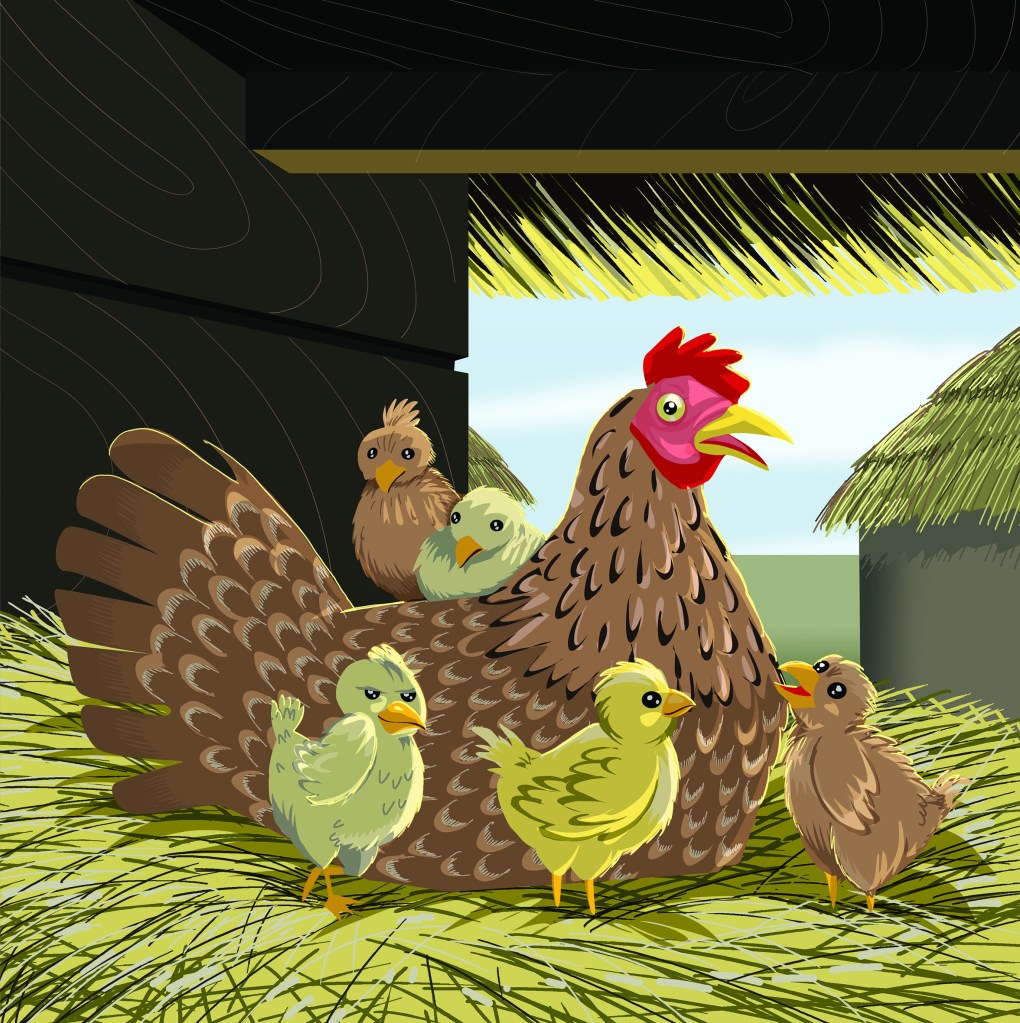
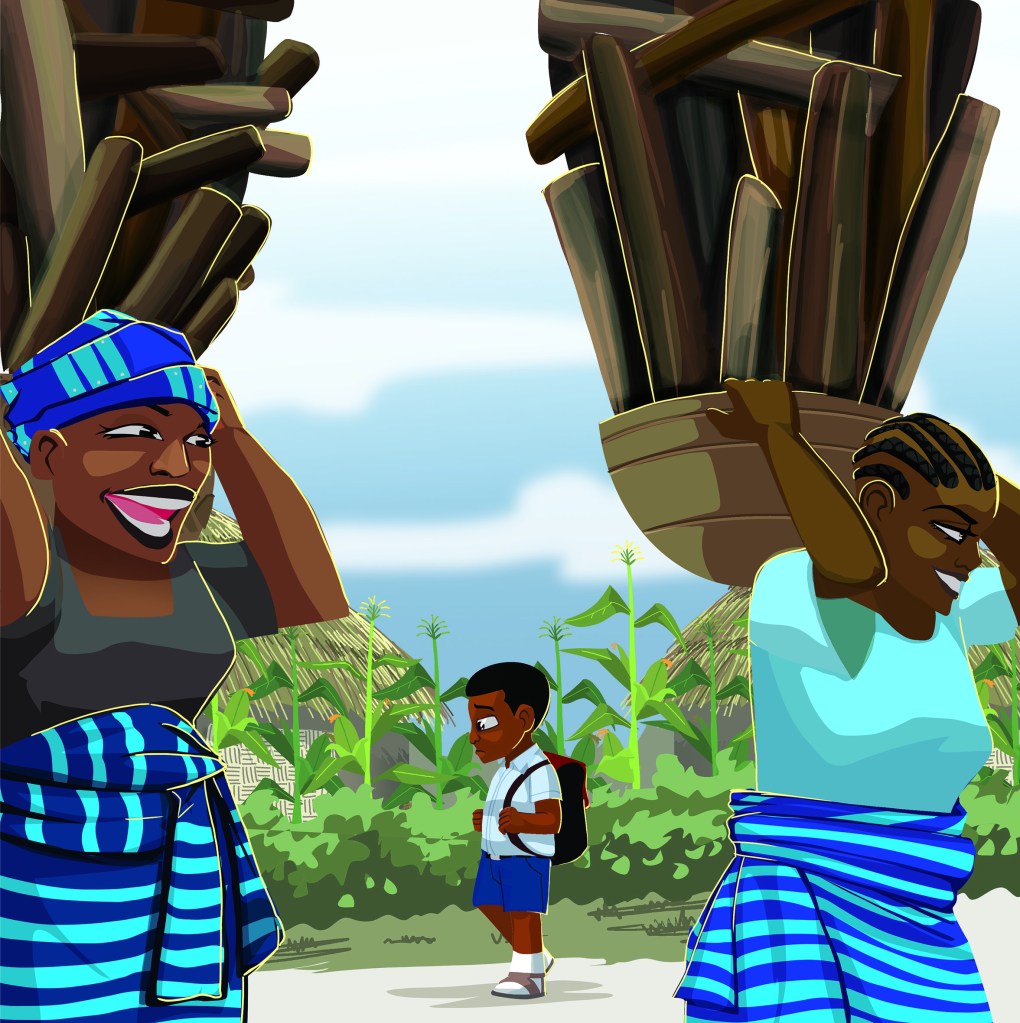
At the heart of Onimole’s brilliance lies his unparalleled ability to breathe life into characters, seamlessly translating the essence of a literary persona into a visual masterpiece. His illustrations possess an uncanny ability to capture the very soul of his subjects, conveying their innermost thoughts, desires, and fears with a startling clarity that borders on the divine. It is as if Onimole himself is a silent observer within the narrative, intimately acquainted with the minds and hearts of his creations.


A testament to Onimole’s unwavering commitment to his craft is evident in the sheer depth and vibrancy of his illustrations. Each image is imbued with a palpable energy, bursting forth with a kaleidoscope of hues that captivate the senses and ignite the imagination. Indeed, it is impossible not to be enraptured by the sheer visual splendor of Onimole’s creations, each stroke of his pen a testament to his boundless creativity and artistic vision.
Kayode Onimole stands as a paragon of illustrative genius, his works a testament to the enduring power of visual storytelling. Through his unparalleled ability to infuse his art with raw emotion. Truly, Onimole’s illustrations are a testament to the transformative power of art, a reminder of the profound impact that creativity can have on the world around us.
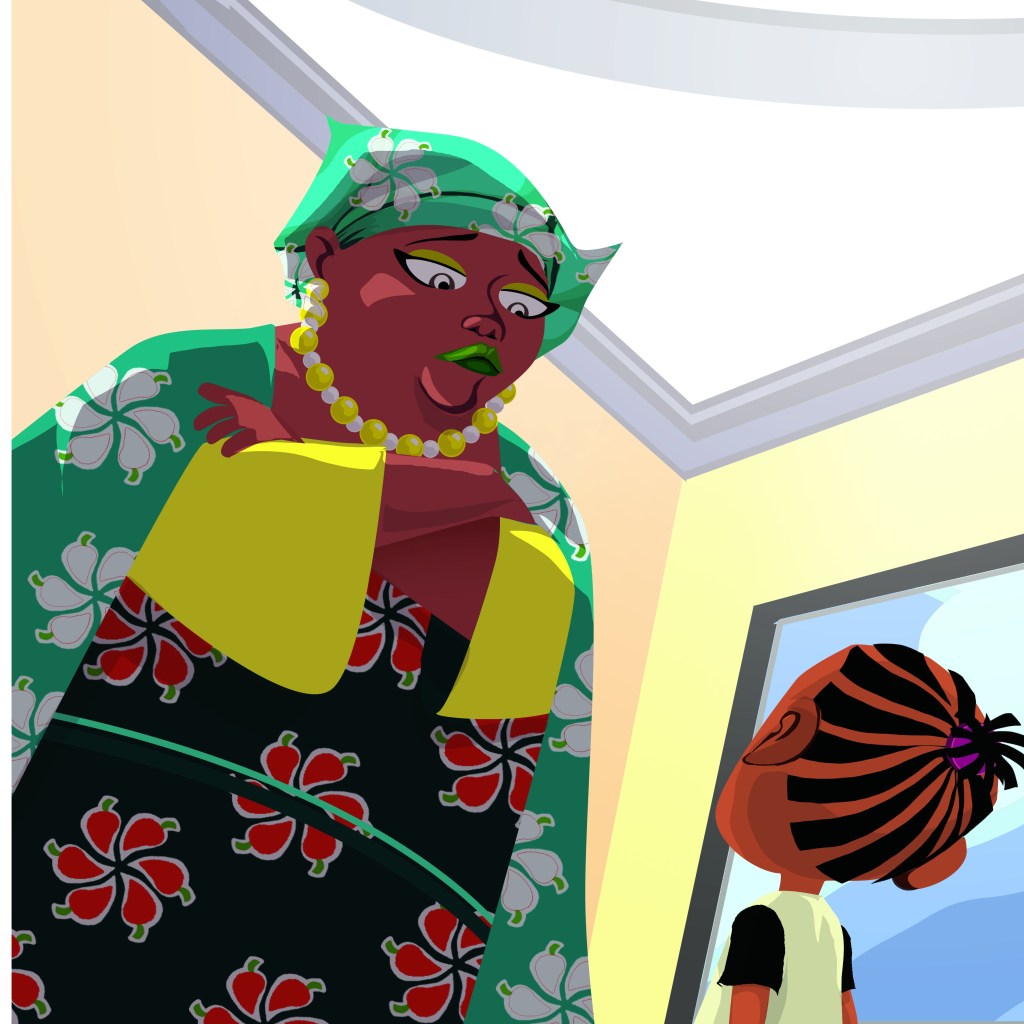

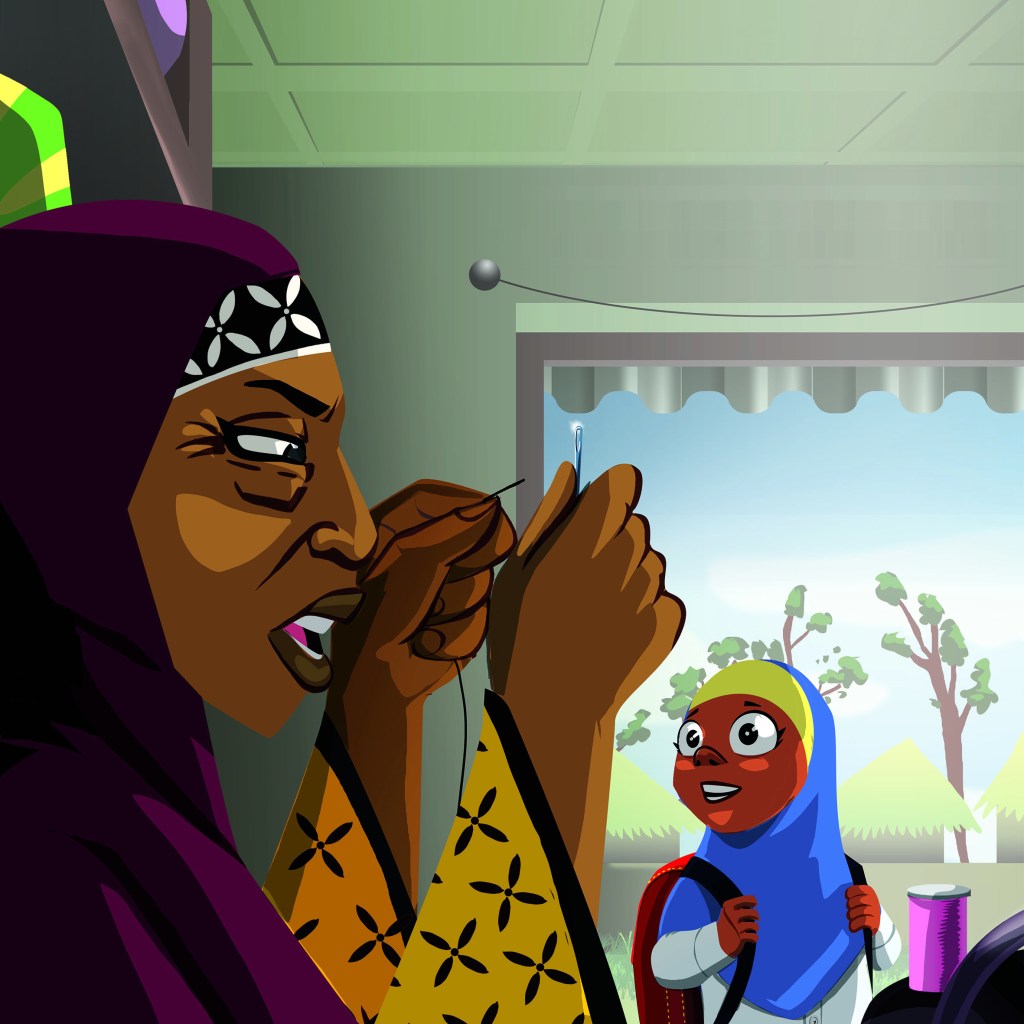
In an interview with alternative culture, Kayode Onimole discusses his creative process, what motivates him, and why he became an illustrator.
Read the complete interview below.
1. What is your favorite drawing or painting in your portfolio and why?
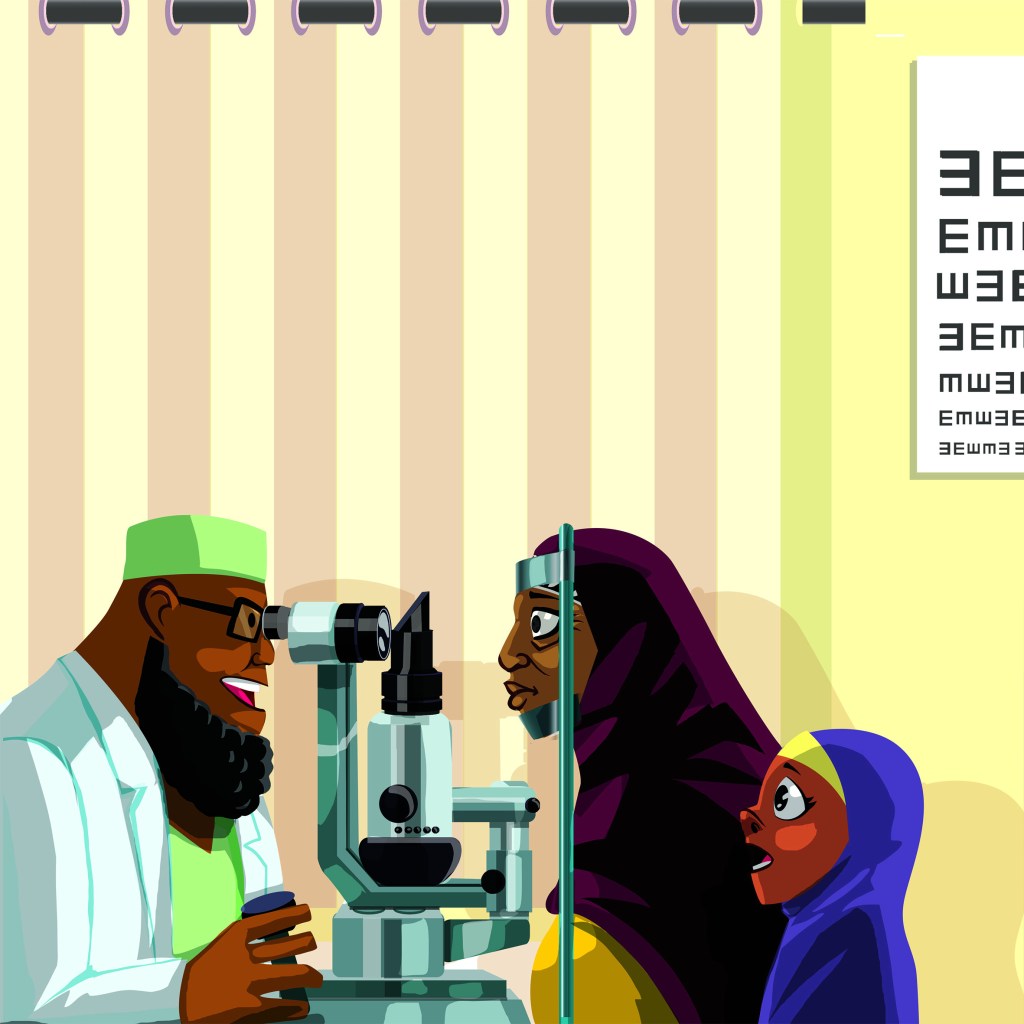
Last year I got to work on a Children’s Book called Anyibo and the mother Hen at a period when I had lost most of my art works due to a computer crash.
I think a lot of artist are more creative when they “throw” some of the emotion into their work and I think the art in that particular book stands out
from previous books I worked on because of what I was going through on an emotional level.
2. What techniques and resources did you use to design your last few pieces?
I work mostly in digital and my I get a lot of my resources from Pinterest, DeviantArt and Youtube.
3. How do you get inspired to produce a piece of artwork?
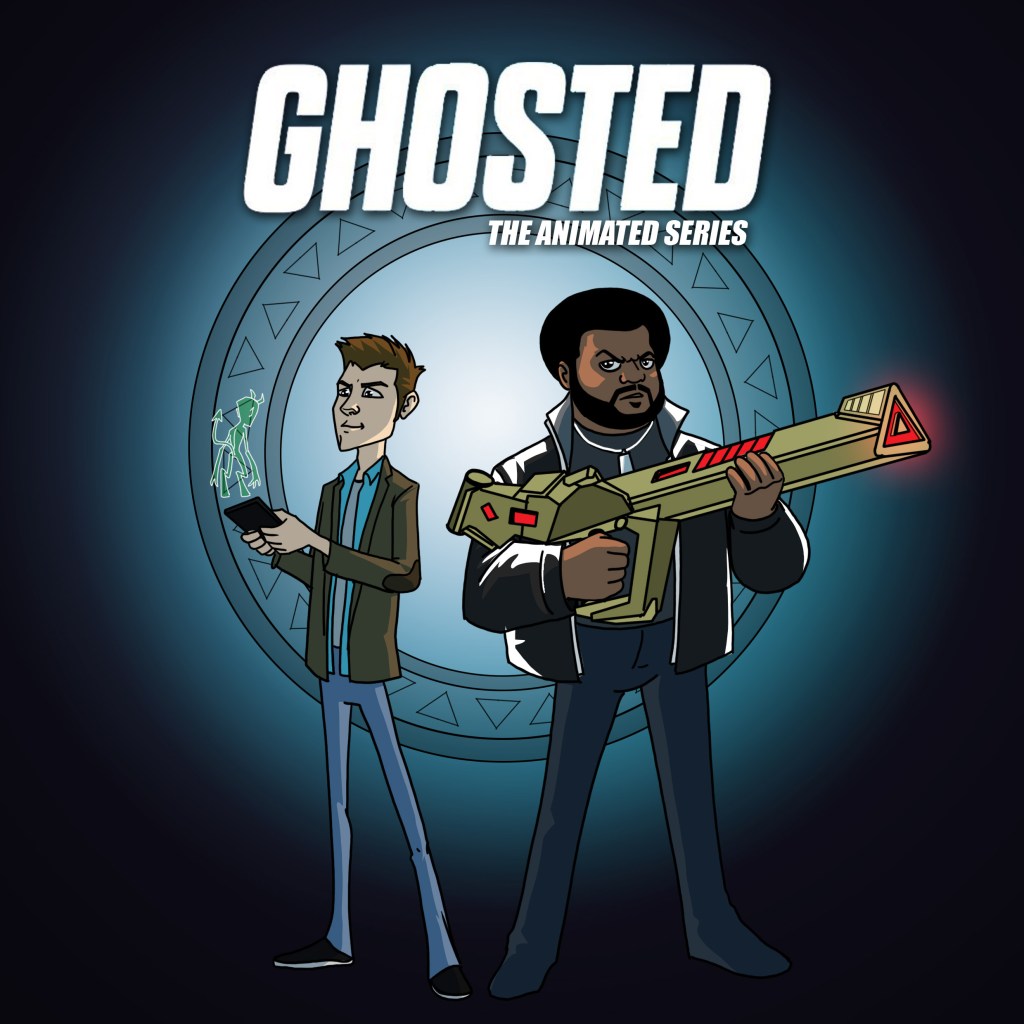
Each piece is different, the one I am currently working on is a reimagining of some characters I read about in a romance book as action movie characters.
4. What do you do to overcome a creative block?
I usually just watch videos of people drawing or take a break from any thing within my art wheel house.
5. What would you do if a client continually rejected all your presented drafts?
Usually I seat with the client while holding a sketchbook and we go back and forth until it is perfectly clear what he wants and if I am the right artist for
the job. I once had a client ask for a caricature of his boss. he rejected the first one, the second one up until the fourth one. Finally on discussing with him,
it turns out what he really wanted was a Portrait of his boss not a caricature. Clarity in brief is key.
6. Why do you want to become an illustrator?
Illustration is something that comes naturally to me and I love it. I remember a saying I heard when I was younger, “Find a job you love and you will never work a day in your life.”

7. What kind of illustration projects are you most interested in while working?
I love projects that tell a story even if its a single piece of art.
8. What is your experience with creating illustrations for children’s books?
The thing about drawing for children’s books as opposed to drawing comics or other materials consumed by more mature audiences is that kids go through the art more meticulously and I try to reward that by having a secondary story that you can “read” in the images alone being careful not to distract from the main story.
9. How do you ensure that the illustrations are age-appropriate and engaging for young readers?
Age appropriateness usually comes from the story however, I wouldn’t illustrate anything I am not comfortable a child or a parent should see in a children’s book. I engage them with a secondary story only the art can tell.
10. Describe a time when you had to create an illustration based on a brief from an author or publisher.
A publishing house reached out to me because the saw the art on my website(crashercomics.com) and wanted me to illustrate one of their authors books After reading the book, I came to the conclusion that though the style they wanted may work but I think I can do a better fit for the story. I sent them a few samples and they gave me the go ahead.
11. Explain how you use color theory in your work
I try to direct the eye with choices of colour as well as elicit feelings in the viewer.
12. Tell me about a time when you had to adjust your style of illustration to fit the tone of a book
Well, I draw in different styles already so adjusting is usually not an issue.
13. How do you approach illustrating complex concepts or abstract ideas?
I worked on a book written by a psychiatrist/psychologist called “There is an Elephant in my Wardrobe” on the surface, it looks like it’s about a little girl and and an anthropomorphic elephant but if you really look at it, its about mental health. When faced with such tasks, I usually let the expert be my guide.
14. What tools do you use to create digital illustrations?
I work primarily in Photoshop or Krita and for hardware I have a Wacom cintiq plugged to a Lenovo laptop.
15. Have you ever worked with a team of illustrators on a project? If so, what was your role?
The few occasions that come to mind were due to immovable deadlines. For some I colored the already inked works in others I was giving a section of the script to work on.
16. What challenges have you faced when creating illustrations for a book series?
For book series, it’s usually best to use the same artist through out all the issues for consistency. Sometimes, that is not the case and you have to match the style
of the artist before you and this slows down the process.
Sometimes you have to pull double duty roles as graphic designer on top of the illustrations you’ve done.
17. How do you decide which medium to use for each illustration?
For ease and speed, I just stick to digital, I may decide to give a painterly feel, or have line arts or a vector feel. Usually it depends on the story, the clients budget and the timeline.
18. What steps do you take to protect your original artwork?
I have had some of my works registered in my name primarily because I was using them in business with another party. But, the way I have understood it is that Copyright is help by the creator of works unless it is work for hire or you give permission to use it. Recently someone took clips from an animation I did and added it to a music video they made and posted it on social media. Immediately I saw it, I reported and the video was taking down.
 Culture Beyond the Mainstream