
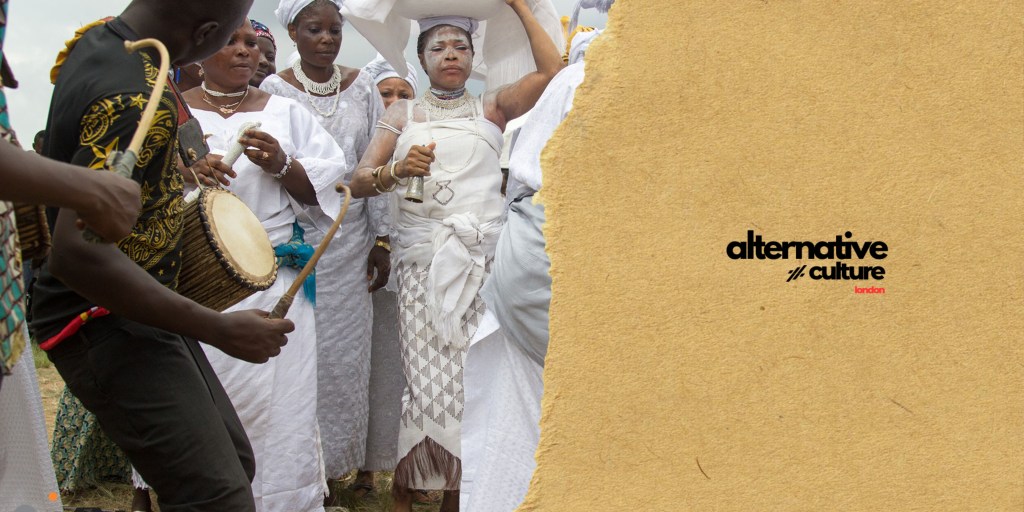
The Osun Osogbo Festival, an annual cultural and religious celebration in Osun State, Nigeria, continues to be a cornerstone of Yoruba heritage. As it marks its 2024 edition, it will draw thousands of participants, both local and international, who come to honor the sacred Osun River and the goddess Osun, a deity of fertility, love, and water in the Yoruba religion.
The Osun Osogbo Festival dates back over 700 years and is deeply rooted in the history and mythology of the Yoruba people. The festival commemorates the covenant between the first settlers of Osogbo town and the goddess Osun. According to legend, Osun promised to protect and bless the people if they worshiped her and maintained the forest around her sacred river. This agreement laid the foundation for the town’s prosperity, and the festival was established to honor this divine relationship.

The Osun Osogbo Festival is more than just a religious event; it is a vibrant display of Yoruba culture and tradition. The festival is a time for community members to come together, celebrate their heritage, and pay homage to their ancestors. It also serves as a platform for the transmission of cultural values and traditions to younger generations.
One of the most significant aspects of the festival is the preservation of the Osun-Osogbo Sacred Grove, a UNESCO World Heritage Site since 2005. The grove is one of the last remnants of primary high forest in southern Nigeria and is considered the spiritual home of the goddess Osun. The grove is filled with shrines, sculptures, and sanctuaries, all dedicated to Osun and other deities of the Yoruba pantheon.
The 2024 Osun Osogbo Festival is expected to follow its traditional structure, beginning with a week-long series of events leading up to the grand finale.
- Iwopopo (Traditional Cleansing of the Town): The festival begins with the Iwopopo, a symbolic cleansing of the town, which takes place two weeks before the main event. This ritual is believed to rid the town of evil spirits and negative energies, ensuring peace and prosperity for the coming year.
- Ina Olujumerindinlogun (The Lighting of the 16-point Lamp): This event marks the lighting of a sacred lamp, which is said to have been burning for centuries. The lighting ceremony symbolizes the continuity of the Osogbo kingdom and the connection between the people and their ancestors.
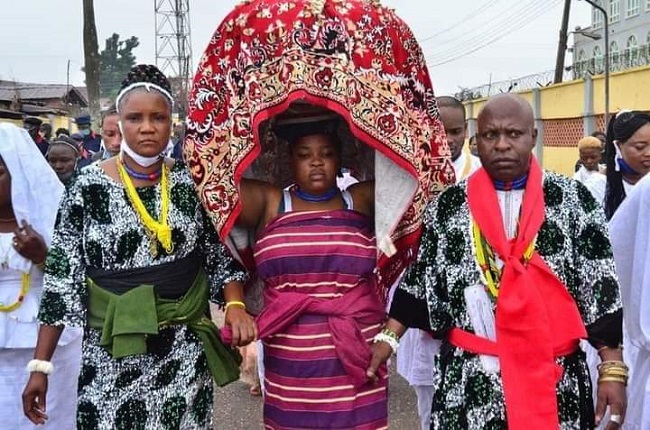
- Arugba Ritual: One of the most anticipated events of the festival is the Arugba ritual. A virgin girl, known as the Arugba, carries a sacred calabash on her head through the town to the Osun River. The calabash contains offerings to the goddess Osun, and the Arugba’s journey is believed to be guided by the spirit of Osun herself. The procession is accompanied by a large crowd, drumming, singing, and dancing, creating a vibrant atmosphere.
- Osun-Osogbo Sacred Grove Procession: The climax of the festival is the grand procession to the Osun-Osogbo Sacred Grove. Devotees, tourists, and traditional worshippers walk from the palace of the Ataoja (the king of Osogbo) to the grove, where various rituals are performed. Offerings are made to Osun, and prayers are said for fertility, protection, and prosperity.
- Ataoja’s Blessing: The festival concludes with the Ataoja of Osogbo blessing the people. This is a moment of great significance, as the king’s blessing is believed to convey the goodwill of the gods and the ancestors, ensuring a fruitful and peaceful year ahead.

The Osun Osogbo Festival has gained international recognition over the years, attracting visitors from across the globe. It has become a symbol of African spirituality and cultural identity, drawing attention to the rich heritage of the Yoruba people. The festival also plays a vital role in promoting tourism in Nigeria, contributing to the local economy and fostering cultural exchange.
In recent years, there has been an increased effort to ensure the festival’s sustainability and authenticity. The Osun-Osogbo Sacred Grove, in particular, has been protected from urban encroachment and environmental degradation, ensuring that future generations can continue to experience the spiritual and cultural significance of this sacred site.


 Culture Beyond the Mainstream