

An Edo man who shared intriguing insights into the cultural and historical practices of the Benin people. He explained that when the Edo people greet the Oba (King) of Benin, they acknowledge their submission to the king by referring to themselves as his slaves. After this, they conclude the greeting with the word Isee, an Edo term meaning “so be it” or “may it be.” This practice, according to him, is part of a broader tradition rooted in the historical ties between the Edo and Yoruba peoples, specifically through the figure of Oranmiyan, a Yoruba prince from Ife.

Oranmiyan is said to have come to Benin and fathered a child named Eweka, who would go on to become the first Oba of Benin. This story is well-known both in Benin and among the Yoruba people, though many aspects remain shrouded in mystery. While the Oranmiyan narrative is central to the connection between these two cultures, the purpose of this article is to explore the role the Yoruba people played in the Benin Kingdom. Were they oppressors who subjugated the indigenous Edo people of Igodomigodo (the ancient name for the Benin kingdom), or did they bring peace and governance as history often suggests?
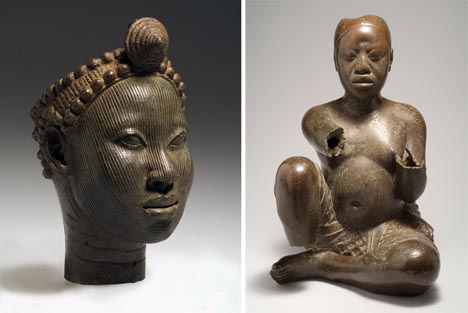
14th-early 15th century
According to the Edo man I spoke with, the Edo people do not pray directly to God but instead invoke the names of several Yoruba figures before addressing God. During prayers, they mention names like Agbama, Oriole, Udasi, and Odua— all of whom, according to him, were Yoruba individuals. For instance, “Odua” refers to Oduduwa, a revered figure in Yoruba tradition who is regarded as an ancestor and deity. Oriole, according to the story, was a Yoruba Ifa priest who became the leader of the Ogboni fraternity in early Benin, while Udasi was a Yoruba medicine man.
The claim is that, to this day, the Edo people pray in the names of these Yoruba figures, suggesting that the Yoruba influence over Edo spiritual practices persists. This man further argued that when the Yoruba arrived in Igodomigodo, they manipulated and subjugated the indigenous Idu people for over 600 years, compelling them to revere the Yoruba as gods—a tradition that, in his view, continues even now.

Historically, European accounts, including those from Portuguese explorers, described the Benin king as being regarded as a demi-god by his people. The tradition of kneeling before the Oba and acknowledging oneself as his slave, as noted by the Edo man, appears to be a continuation of this reverence for the monarchy. This custom, deeply ingrained in Benin society, underscores the king’s divine status—a practice that, according to this account, reflects broader influences, possibly including those from the Yoruba.
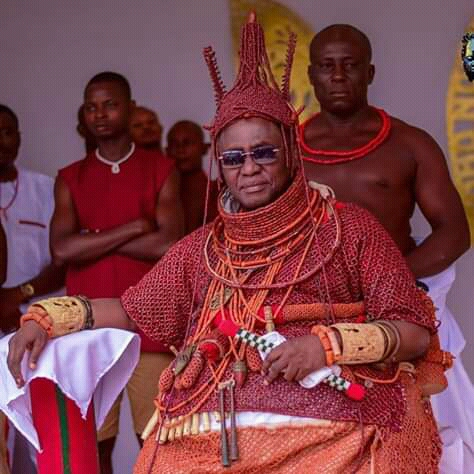
In sum, the relationship between the Yoruba and Benin people is one that spans centuries, involving political, cultural, and spiritual intersections. Whether the Yoruba were oppressors or peace-bringers in the eyes of the Edo people depends on which historical narratives are emphasized, but the influence of Yoruba figures in Edo prayers and rituals is a fascinating aspect of this shared history.
Listen to the audio statement made by the Edo man here

 Culture Beyond the Mainstream