
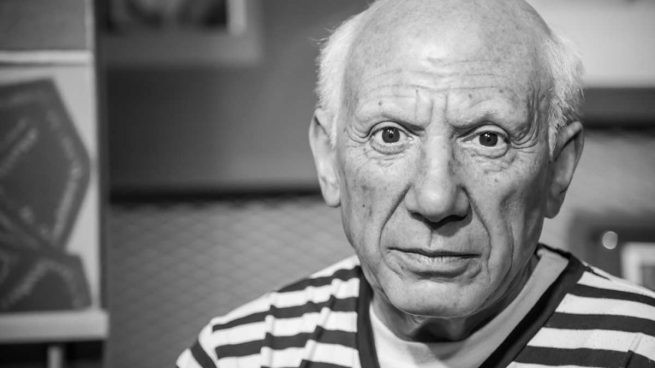
The question of whether Pablo Picasso was an individual genius or a cultural thief is complex and rooted in a nuanced historical, artistic, and ethical debate. Here’s a breakdown of the discussion:
Picasso was undeniably a groundbreaking artist who reshaped modern art through movements like Cubism, co-developed with Georges Braque. His innovative use of form, perspective, and abstraction profoundly influenced 20th-century art.
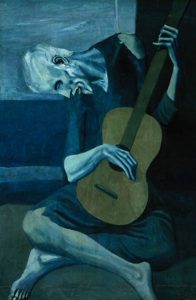
Over his lifetime, Picasso mastered a variety of mediums, from painting to sculpture, ceramics, and printmaking, demonstrating extraordinary creativity and technical skill.
Picasso had a unique artistic voice and continuously reinvented his style, from his Blue Period and Rose Period to his later, more abstract works.
A significant critique of Picasso involves his appropriation of African art. In works such as Les Demoiselles d’Avignon (1907), Picasso drew heavily from African masks and sculptures. While these elements were instrumental in the development of Cubism, he did not acknowledge the cultural origins or significance of these influences, often reducing them to aesthetic tools.
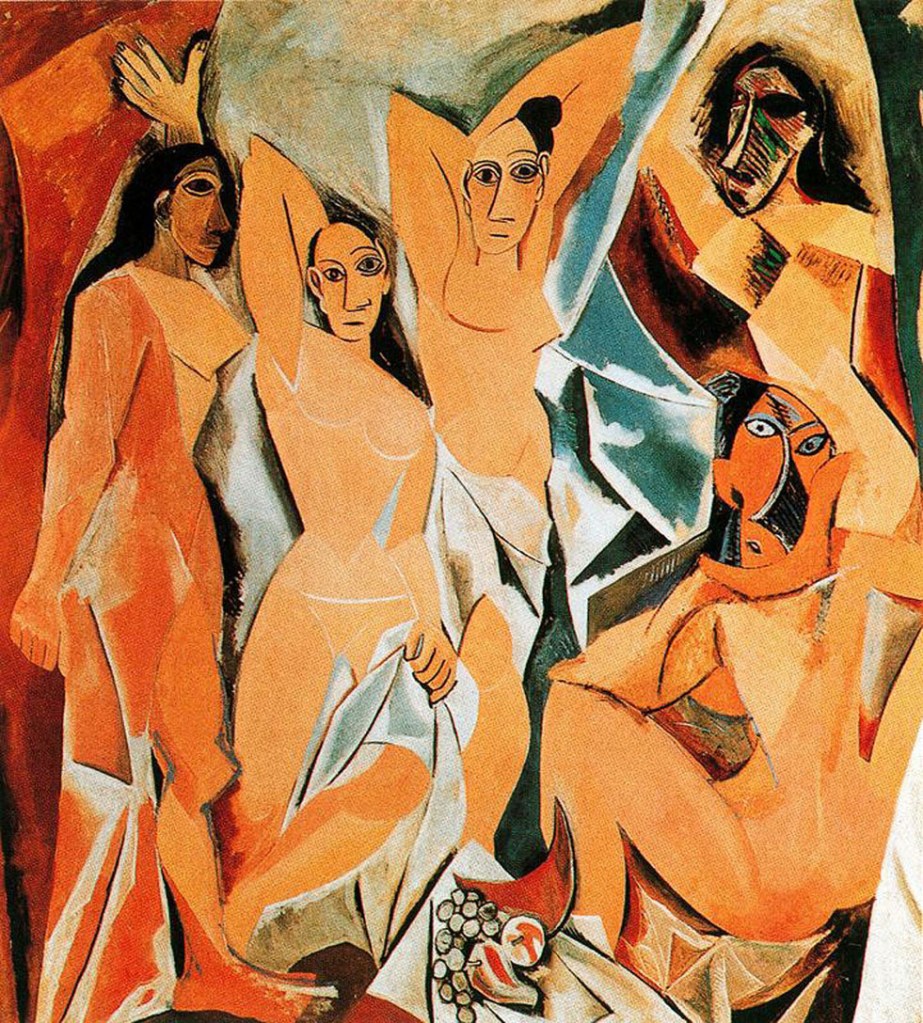
Picasso’s exposure to African art came at a time when Europe was deeply entrenched in colonialism. The art he borrowed from was often looted and decontextualized from its original cultures, which were marginalized or dehumanized by colonial powers.
Picasso, as a white European artist, gained immense fame and profit from innovations rooted partly in African artistic traditions, while the original creators and their cultures received little to no recognition.
Some argue that Picasso’s use of African art reflects the broader zeitgeist of early 20th-century modernism, which sought inspiration from non-Western cultures as a way to challenge traditional European art norms. However, this does not absolve the ethical issues of cultural appropriation.

Picasso himself reportedly admired African art, referring to it as a catalyst for his artistic transformation. However, his lack of explicit credit to African artists or cultural acknowledgment remains a contentious point.
The legacy of Pablo Picasso is multifaceted. He was undoubtedly a genius whose innovations transformed art, but his borrowing from African cultures without acknowledgment raises ethical questions about cultural appropriation. This duality invites ongoing dialogue about how we evaluate artistic achievement within broader historical and cultural contexts.
 Culture Beyond the Mainstream