
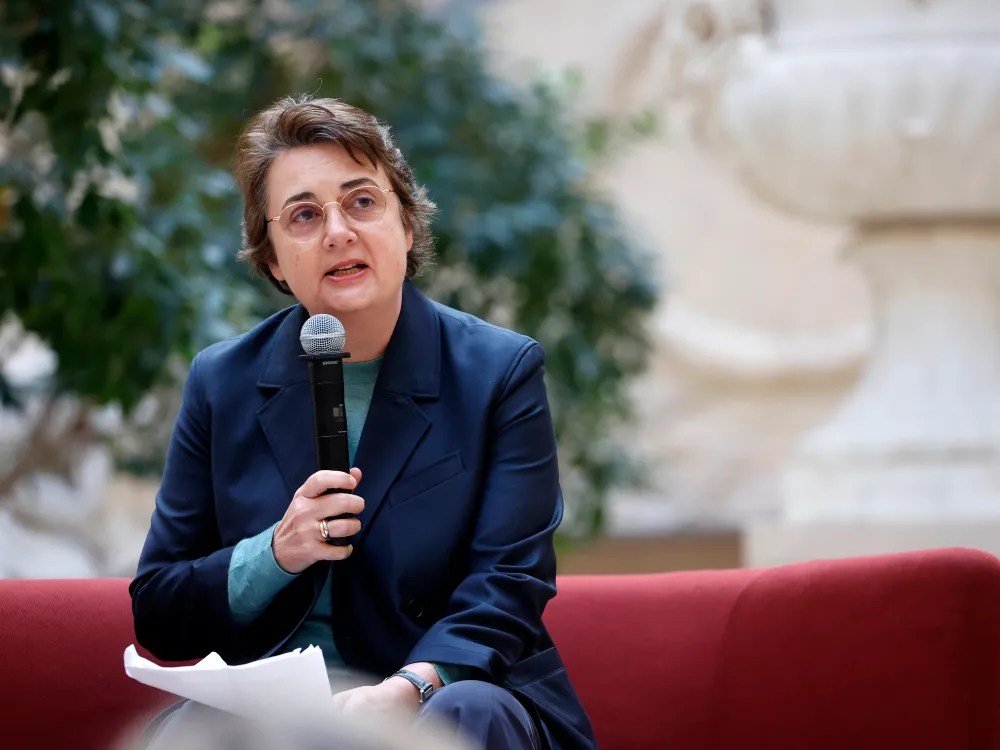
The president of the Louvre Museum, Laurence des Cars, faced intense questioning from French senators during a recent Senate hearing that examined serious security failures at the world’s most visited museum. The hearing followed the fallout from a major jewel theft that exposed long standing weaknesses in the Louvre’s security systems and triggered a wider debate about leadership, transparency, and responsibility at one of France’s most important cultural institutions.
Lawmakers pressed des Cars on why repeated security warnings had not been fully addressed before the robbery, which took place in broad daylight at the Galerie d’Apollon. The stolen jewels, valued at over one hundred million dollars, were part of France’s national heritage, and senators described the incident as a national embarrassment. Several accused the museum’s leadership of operating behind closed doors and prioritising prestige projects over basic protection of priceless collections.
Des Cars, who became the Louvre’s first female president in 2021, acknowledged that mistakes had been made but defended her record. She told the Senate that a major overhaul of the museum’s security was already underway, pointing to a new multi million euro plan that includes expanded surveillance, reinforced patrols, and the appointment of a dedicated security coordinator. She argued that meaningful reform takes time and insisted that her administration had accelerated changes once risks became clear.
The hearing also intensified calls for her resignation. Some senators openly questioned whether she should remain in office, suggesting that accountability at this level required stepping aside. Des Cars confirmed that she had previously offered to resign after the theft, but said the Ministry of Culture rejected the offer, believing that leadership continuity was necessary during the crisis.
The controversy has unfolded alongside growing unrest among Louvre staff. Workers have staged strikes in recent months, citing understaffing, deteriorating infrastructure, and management decisions they believe contributed to unsafe conditions. Union representatives argued that frontline staff warnings were ignored long before the theft occurred.
Tensions were further heightened by a public exchange between des Cars and her predecessor, Jean Luc Martinez. Both figures placed blame on one another during the hearings, particularly over a security audit completed several years earlier that identified vulnerabilities in the Apollo Gallery. Martinez maintained that his administration focused on other urgent safety priorities, while des Cars said she inherited unresolved structural problems.
Despite mounting criticism, des Cars continues to receive backing from the French government. The Culture Ministry has resisted calls for her removal and has instead moved to stabilise the institution by appointing an external administrator to assist with restructuring efforts. The decision signals an attempt to reform the Louvre without triggering further instability.
As scrutiny intensifies, the Senate hearings have become a focal point for a larger conversation about how major museums balance public access, ambitious renovation plans, and the fundamental responsibility to safeguard cultural heritage. The outcome of this crisis is likely to shape not only the future of the Louvre’s leadership, but also how global museums approach security and accountability in an increasingly uncertain world.

 Culture Beyond the Mainstream