
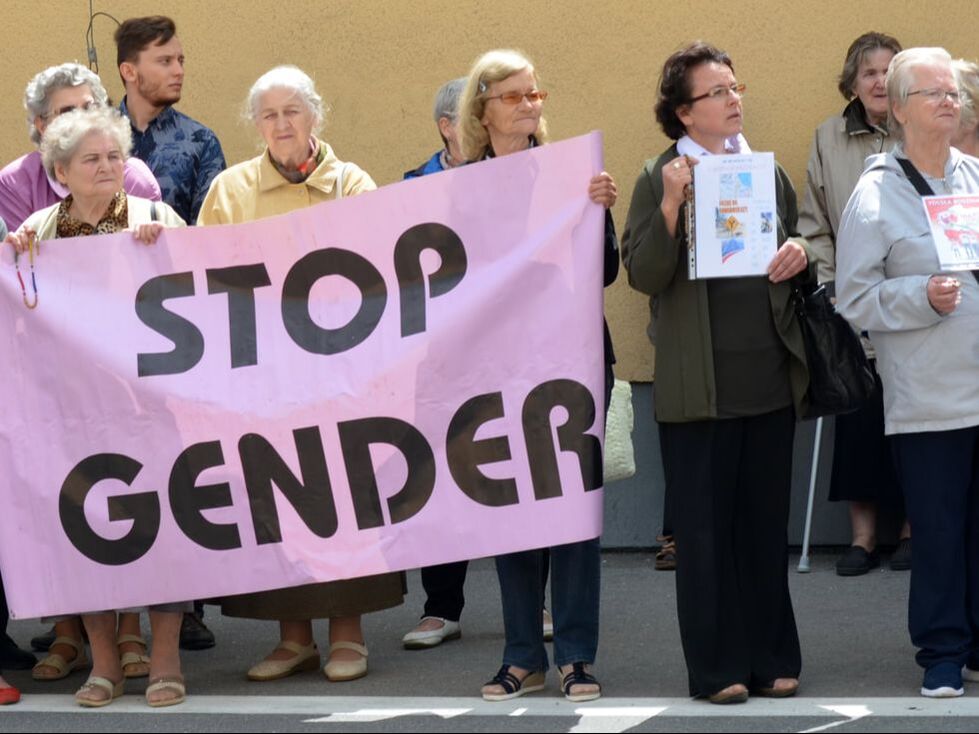
Gender abolitionist discourse has emerged as one of the most provocative and contested conversations in contemporary social theory. At its core, gender abolitionism argues not for the elimination of people’s identities or expressions, but for the dismantling of gender as a rigid social system that organizes power, labor, and value through binary and hierarchical norms. In today’s society, this discourse sits at the intersection of feminist theory, queer politics, trans liberation, and critiques of capitalism and colonialism.
Gender abolitionists distinguish between gender as identity or expression and gender as an imposed structure. The critique is aimed at the latter: the system that assigns roles, expectations, and limitations based on perceived sex at birth. From this perspective, gender is not a neutral category but a technology of control that has historically regulated bodies, justified inequality, and normalized violence. Abolishing gender, therefore, means removing its authority to determine social worth, not erasing individual self-definition.
Modern gender abolitionist thought draws heavily from radical feminism, Marxist analysis, and queer theory. It critiques how gender is entangled with economic exploitation, particularly unpaid care work and reproductive labor disproportionately assigned to women. In this view, gender cannot be separated from material conditions. As long as labor, caregiving, and survival are structured along gendered lines, gender remains a mechanism of inequality rather than a personal choice.
The discourse has gained renewed visibility through debates around trans rights and nonbinary identities. For some, gender abolition aligns with trans liberation by challenging the rigidity of gender categories and expanding freedom of self-determination. For others, it raises tensions, particularly when abolitionist language is interpreted as undermining the political necessity of gender identity for those who rely on it for recognition, protection, or survival. This tension reflects a central debate within the movement: how to dismantle oppressive structures without erasing lived realities.
In everyday life, gender abolitionist ideas surface in challenges to traditional institutions. Calls to degender parenting, education, and workplaces reflect an effort to reduce the power of gender norms in shaping opportunity. Gender-neutral language, inclusive facilities, and the rejection of gendered dress codes are often framed not as symbolic gestures, but as steps toward weakening gender’s regulatory force.
Critics argue that gender abolition is unrealistic or abstract, particularly in societies where gender-based violence and inequality remain pervasive. They contend that dismantling gender categories without first addressing material conditions risks obscuring real disparities. Gender abolitionists respond that this critique misunderstands their position. Abolition is not presented as an immediate erasure, but as a long-term political horizon, similar to prison or police abolition, requiring transitional strategies and structural change.
In modern society, gender abolitionist discourse is also shaped by digital culture. Online platforms have allowed these ideas to circulate widely, but often in simplified or polarized forms. Nuanced arguments are frequently reduced to slogans, intensifying backlash and misunderstanding. This has contributed to public confusion between abolishing gender as a system and denying gendered experiences altogether.
Ultimately, gender abolitionist discourse challenges society to imagine a world where gender no longer dictates destiny. It asks whether social organization could be based on need, consent, and capability rather than classification. In raising this question, gender abolitionism exposes the extent to which gender remains embedded in institutions, language, and everyday life.
Whether or not abolition is fully attainable, its significance lies in its disruptive power. By questioning what many assume to be natural or inevitable, gender abolitionist discourse forces a re-evaluation of freedom, equality, and the structures that shape modern life.


 Culture Beyond the Mainstream