
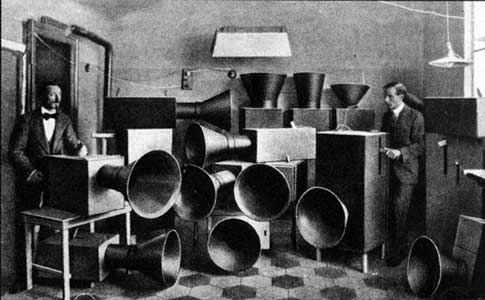
Noise music and experimental sound cultures occupy a radical space within contemporary music, challenging conventional ideas of harmony, structure, and musical pleasure. Often dismissed as chaotic or inaccessible, these practices function less as entertainment and more as inquiry—questioning what sound is, how it operates, and who gets to define its meaning. In doing so, noise and experimental music have become powerful tools for artistic resistance, cultural critique, and alternative modes of expression.
At its core, noise music rejects the traditional hierarchy of sound. Melody, rhythm, and tonal balance—central pillars of Western musical aesthetics—are often abandoned in favor of distortion, feedback, repetition, and sonic abrasion. This rejection is not arbitrary; it is ideological. By refusing polished form, noise music confronts the listener with the raw materiality of sound itself, forcing an encounter with sensation rather than comfort. What is often labeled as “noise” is simply sound that refuses to conform to dominant aesthetic expectations.
Historically, experimental sound cultures have emerged in response to moments of social rupture. From the Futurists’ early 20th-century fascination with industrial noise to post-war avant-garde movements, sound has been used to mirror the chaos, violence, and mechanization of modern life. In later decades, noise scenes developed alongside punk, industrial music, and electronic experimentation, particularly in urban environments shaped by deindustrialization and political unrest.
Noise music also functions as a critique of commodification. In an industry driven by marketability and algorithmic predictability, noise resists easy consumption. Its difficulty and discomfort undermine passive listening habits and reject the logic that art must be profitable or soothing. This refusal becomes political: noise asserts the right to exist outside commercial viability, challenging capitalism’s demand that all creative expression be optimized for consumption.
Experimental sound cultures often thrive in marginal spaces—basements, squats, art collectives, abandoned warehouses, and online micro-communities. These environments allow for radical experimentation free from institutional constraints. The emphasis is frequently on process rather than product, community rather than celebrity. In such spaces, hierarchy dissolves, and the boundary between artist and audience becomes fluid.
Noise also operates as a form of sonic protest. It can embody anger, grief, alienation, or resistance in ways that language cannot. For marginalized communities, experimental sound becomes a medium for articulating experiences that resist conventional representation. Harsh textures, distortion, and feedback can mirror the violence of social systems, making audible what is often rendered invisible or inaudible.
Technological accessibility has further expanded experimental sound cultures. Affordable recording equipment, software, and online platforms allow individuals to create and distribute work outside traditional music industries. This democratization has globalized noise, connecting artists across continents and enabling localized sonic expressions to circulate internationally.
At the same time, experimental sound cultures are not immune to contradiction. As noise aesthetics gain visibility, they risk being absorbed into mainstream art markets and institutions, stripped of their oppositional force. This tension—between resistance and commodification—continues to shape the evolution of the genre.
Ultimately, noise music and experimental sound cultures challenge the listener to reconsider what sound is for. They disrupt comfort, unsettle norms, and insist on listening as an active, critical act. In a world saturated with polished media and algorithmic predictability, noise offers a space of refusal—a reminder that not all meaning must be harmonious, and not all art must seek approval.



 Culture Beyond the Mainstream