
As artificial intelligence becomes more embedded in the creative industries, a growing number of artists, writers, musicians, and cultural workers are pushing back. This resistance, often described as an AI refusal movement, is not rooted in fear of technology itself but in concern over authorship, exploitation, and the erosion of human creativity.
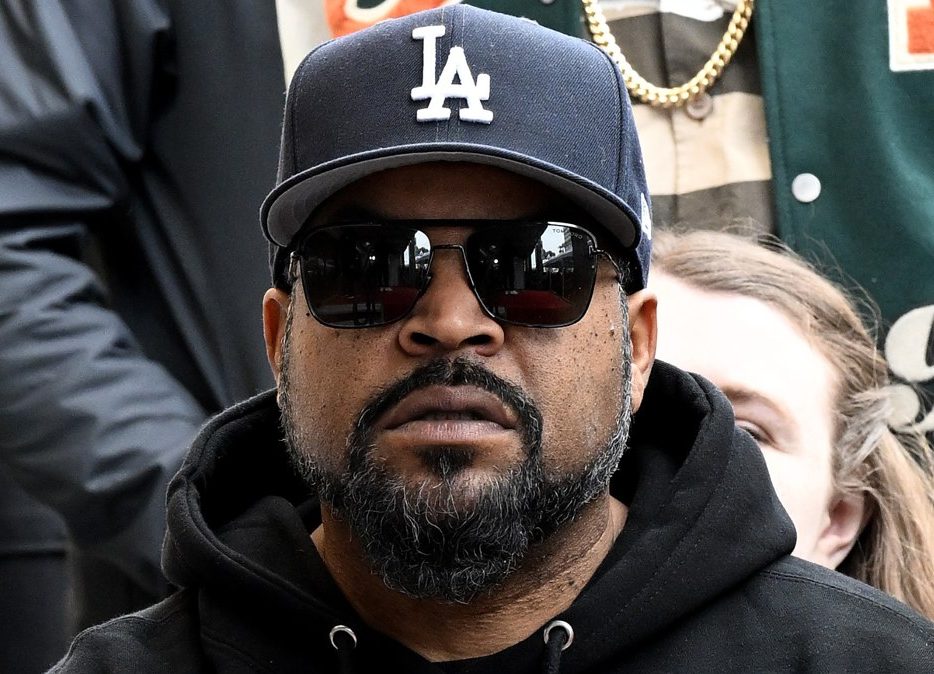
One of the most visible examples of this pushback came from legendary rapper Ice Cube, who publicly criticized the use of artificial intelligence in music and referenced AI tools like ChatGPT in his work and commentary. His stance reflects a wider frustration among artists who feel that AI systems are being trained on their work without consent, compensation, or respect for artistic labour. For many creatives, the issue is not innovation, but extraction, the idea that decades of human creativity are being repurposed by machines owned by large corporations.
Across the music industry, several artists have spoken out against AI generated vocals and deepfake songs that imitate their voices. Musicians have warned that such tools blur the line between homage and theft, threatening both creative ownership and artistic identity. Some have gone as far as issuing takedown demands or publicly refusing to allow their voices or styles to be used in AI training datasets.
Writers and visual artists have also joined the resistance. Authors’ unions and illustrator collectives in the United States and Europe have organized protests and open letters demanding transparency from tech companies. Their concerns include uncredited use of copyrighted material, loss of income, and the normalization of machine generated content over human expression. For many, AI represents not just a technological shift but a cultural one that devalues lived experience, intuition, and emotional depth.
The refusal movement is not anti technology in principle. Many of its participants use digital tools daily. What they oppose is a system that prioritizes speed, profit, and automation over consent and creativity. They argue that art is more than data, and that reducing it to patterns strips it of its social, political, and emotional meaning.
In this sense, AI refusal mirrors earlier cultural resistance movements, from musicians rejecting exploitative record contracts to filmmakers challenging studio control. It is a call for boundaries, ethics, and recognition in an era where creative labour is increasingly vulnerable to automation.
As debates around AI continue, the voices of artists like Ice Cube and countless independent creators are shaping an important question for the future: who controls creativity in the age of machines, and at what cost?

 Culture Beyond the Mainstream