
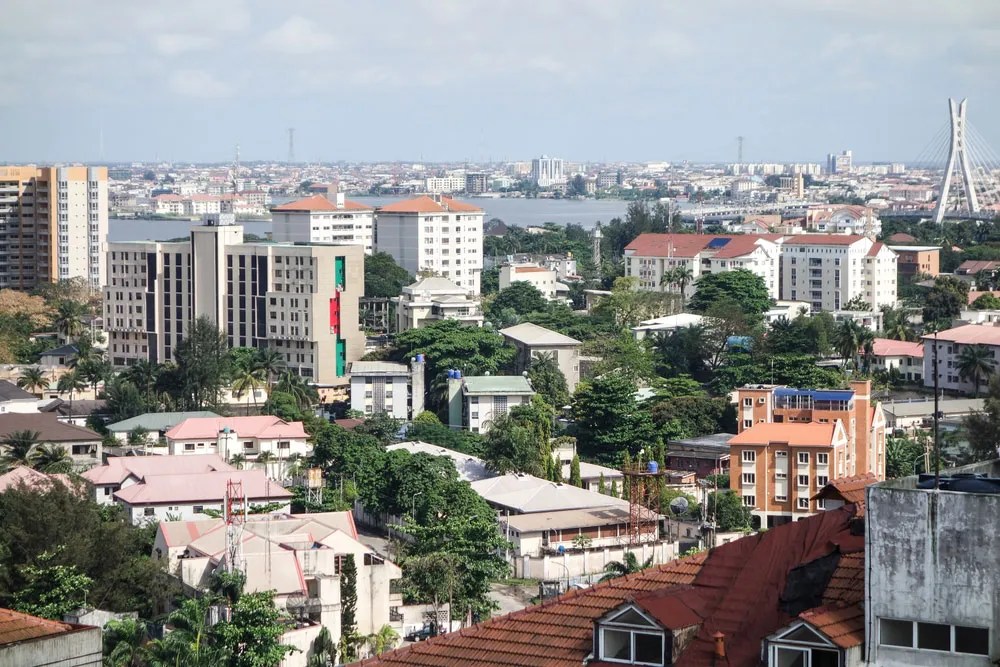
The question of land ownership and indigene rights in Southwest Nigeria has become increasingly tense in recent years, especially in Lagos. As Nigeria’s most populous and economically powerful city, Lagos attracts people from every part of the country. While this diversity has shaped the city’s global identity, it has also sparked deep disputes over land, belonging, and historical recognition.
At the centre of this debate are the indigenous people of Lagos, particularly the Awori and other Yoruba subgroups whose ancestors settled the land centuries before colonial rule. Long before Lagos became a commercial hub, it existed as a network of fishing and farming communities governed by traditional institutions. These communities held land collectively, passed down through generations, and maintained spiritual and cultural ties to their environment.
In recent years, however, a narrative has emerged suggesting that “Lagos is no man’s land.” This claim, often repeated in political arguments and online discourse, denies the historical presence and rights of indigenous Lagosians. For many indigenes, this narrative is not just inaccurate but deeply erasing. It ignores documented history, colonial records, treaties, and oral traditions that clearly identify the original inhabitants of the land.
The idea that Lagos belongs to everyone equally is often framed as a call for unity, but it becomes problematic when it dismisses indigenous ownership and identity. While Lagos is indeed a shared city where Nigerians from all backgrounds live and contribute, shared residency does not erase ancestral claims. Indigenous communities argue that recognition of their status does not threaten national unity, but rather affirms justice and historical truth.
Land disputes in Lagos are not only symbolic. They have real consequences, including forced evictions, loss of ancestral property, and the weakening of traditional authority structures. As urban expansion continues, indigenous families often find themselves pushed to the margins while developers and political interests take control of land that has belonged to their ancestors for generations.
The struggle for recognition is also a struggle for dignity. Many Lagos indigenes are calling for legal protection, historical acknowledgment, and fair inclusion in governance and development decisions. Their demand is not for exclusion but for respect and equity within a rapidly changing city.
The conversation around land and identity in Lagos reflects a broader issue across Nigeria, where indigenous communities often face erasure in the name of progress. Recognizing indigenous land rights is not about dividing people; it is about correcting historical imbalance and ensuring that development does not come at the cost of cultural survival.
As debates continue, one truth remains clear: Lagos is not a land without people or history. It is a place shaped by generations of indigenous communities whose voices deserve to be heard, respected, and protected.
 Culture Beyond the Mainstream