
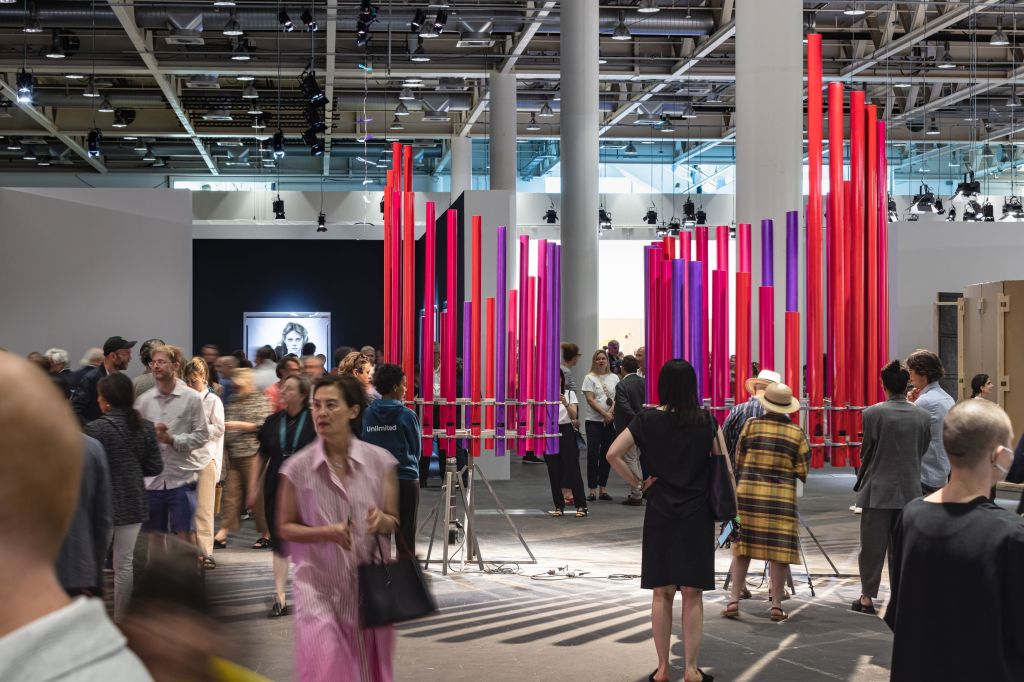
Across the contemporary art world, a growing number of artists are choosing to step away from the pursuit of validation by the global art market. This refusal is not rooted in isolation or rejection of visibility, but in a deliberate critique of how value, legitimacy, and success are defined by powerful institutions based largely in the Global North.
For decades, recognition in the art world has been shaped by a narrow ecosystem of elite galleries, auction houses, biennales, and museums. These spaces often determine which artists are considered relevant, collectible, or historically significant. For many artists outside these circuits — particularly those from Africa, Latin America, Indigenous communities, and working class backgrounds — inclusion often comes with conditions that demand aesthetic conformity or cultural packaging for Western consumption.
Refusing global art market validation means rejecting the idea that artistic worth must be measured through international exhibitions, auction prices, or Western critical approval. Many artists are instead choosing to ground their practice in local communities, alternative spaces, and independent platforms that prioritize meaning over marketability. This shift challenges the assumption that success must be internationally sanctioned to be legitimate.
In recent years, this refusal has taken many forms. Some artists decline invitations to major art fairs or withdraw from biennials that tokenize their identities. Others bypass traditional galleries altogether, choosing to exhibit in community spaces, online platforms, or self-organized shows. There is also a growing emphasis on collective practice, where artists work outside individual branding and resist commodification altogether.
This movement is especially visible among artists from formerly colonized regions, where the global art market often reproduces extractive relationships. Cultural symbols, narratives, and aesthetics are frequently filtered through Western curatorial frameworks, stripped of political context, and sold as exotic commodities. By refusing participation in these systems, artists assert control over their narratives and reclaim the authority to define their own cultural value.
The refusal of global art market validation is not a rejection of global dialogue but a demand for equity and respect. It challenges the idea that recognition must come from a small group of powerful institutions and instead affirms that art can be meaningful, radical, and transformative without their approval.
In choosing autonomy over acceptance, these artists are redefining what success looks like and reshaping the future of contemporary art on their own terms.


 Reports Beyond the Mainstream