
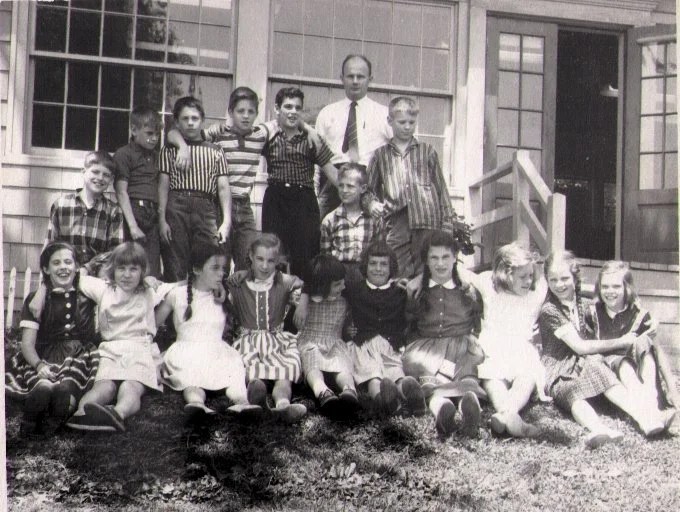
In the United States, a growing number of families are questioning the traditional model of formal education. At the forefront of this movement is unschooling, an educational philosophy that emphasizes child-led learning rather than structured curricula and standardized testing.
Unschooling is rooted in the belief that children learn best when they pursue their natural interests and curiosity. Instead of following a rigid schedule or focusing on grades, unschooled children explore topics at their own pace, guided by their passions and the resources available in their environment. Parents in unschooling families often act as facilitators rather than teachers, providing access to books, experiences, and mentors without imposing strict lessons.
This approach challenges the dominant education system in the US, which is often criticized for prioritizing compliance, memorization, and standardized testing over creativity and critical thinking. Advocates of unschooling argue that the conventional school model can stifle curiosity and make learning feel like a chore rather than an exciting journey.
Anti formal education advocacy goes beyond unschooling, encompassing various alternative education movements that push back against the standardization of learning. Homeschooling, democratic schools, and learning collectives all fall under this umbrella, each offering different ways for children to experience education outside traditional classrooms.
While unschooling and anti formal education advocacy remain relatively niche in the United States, they are gaining visibility. Families drawn to these approaches often cite personal freedom, individualized learning, and the ability to cultivate a love of learning as key reasons for their choices. Critics, however, raise concerns about socialization, academic preparedness, and access to resources, sparking ongoing debates about what education should look like in the twenty first century.
Ultimately, unschooling and broader anti formal education movements invite society to reconsider the purpose of education. They challenge us to ask whether learning should be measured by grades and exams or by curiosity, creativity, and personal growth.

 Culture Beyond the Mainstream