
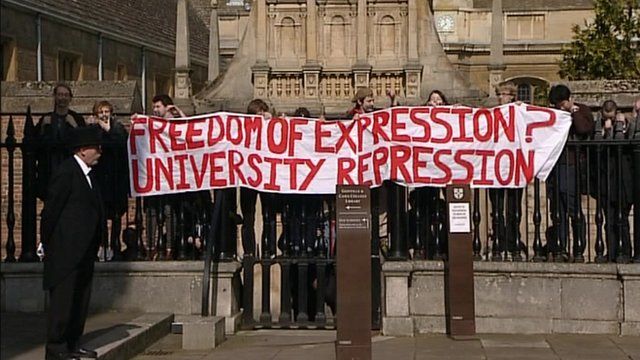
A UK teacher has reportedly been referred to counter terrorism authorities after showing political videos in the classroom, sparking a wider debate about free speech, educational boundaries, and the reach of extremism prevention policies in schools.
The incident has raised concerns among educators and civil liberties groups about how the government’s counter extremism framework is being applied in educational settings. According to reports, the teacher shared political video content with students as part of a classroom discussion, prompting concerns from school administrators who later referred the matter to safeguarding and counter terrorism channels.
Supporters of the teacher argue that the referral reflects a growing culture of over surveillance in schools, where open discussion of political issues is increasingly treated as a potential security risk. They warn that such actions could discourage critical thinking and meaningful debate in classrooms, particularly on global affairs and contemporary politics.
Others maintain that schools have a responsibility to ensure that teaching materials do not cross into political indoctrination or expose students to content that could be interpreted as extremist. They argue that existing safeguarding frameworks are designed to err on the side of caution, even if that results in controversial referrals.
The case has reignited broader concerns about the UK’s Prevent strategy, which has long faced criticism for disproportionately targeting educators, students, and minority communities. Critics argue that the policy blurs the line between safeguarding and surveillance, creating a chilling effect on free expression in academic spaces.
As the situation continues to attract public attention, calls are growing for clearer guidance on how political issues can be discussed in schools without triggering punitive measures. Many educators are urging policymakers to strike a better balance between protecting students and preserving the role of education as a space for open inquiry and critical thought.
 Culture Beyond the Mainstream