
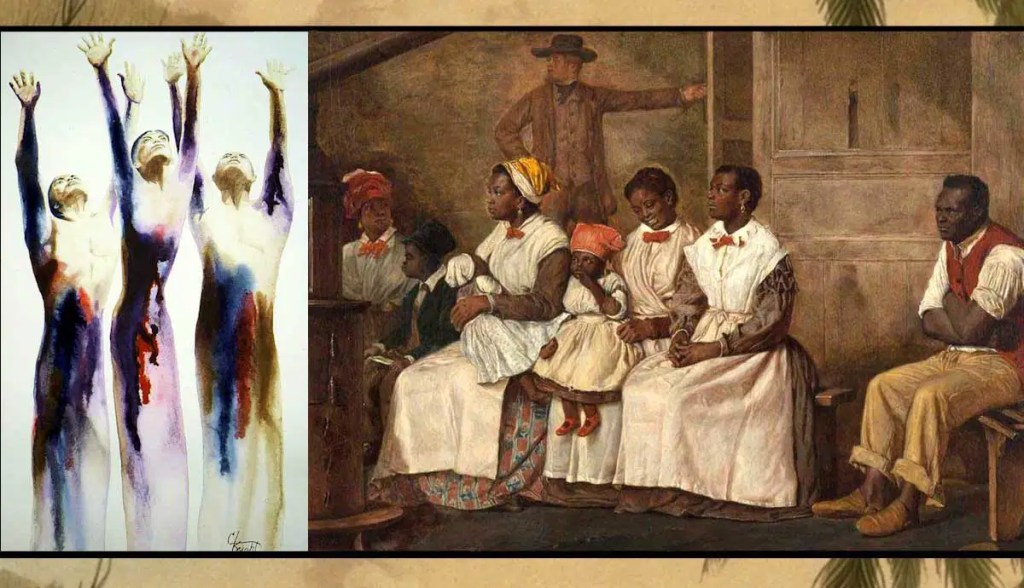
Across many parts of Africa, a quiet but growing shift is taking place. While churches and mosques still dominate skylines and public life, a rising number of people are stepping away from organized religion and choosing to define their moral compass on their own terms. This movement is not necessarily anti-faith, but it is deeply skeptical of religious institutions and the power they wield.
For many, the rejection of organized religion comes from disappointment rather than disbelief. Scandals involving religious leaders, the commercialization of faith, and the use of religion as a political weapon have pushed people to question whether spiritual institutions still serve the values they claim to uphold. In societies where pastors and clerics live in extreme wealth while followers struggle with poverty, the gap between doctrine and reality has become impossible to ignore.
Others are driven by a desire for personal autonomy. Younger generations, especially in urban centers, are increasingly resistant to rigid belief systems that dictate how to dress, love, vote, or think. They are replacing inherited doctrines with personal ethical frameworks built around empathy, accountability, social justice, and lived experience. For them, morality is not something handed down from a pulpit but something shaped through reflection, community, and real-world consequences.
This shift does not always mean abandoning spirituality altogether. Many still believe in a higher power, ancestral wisdom, or universal energy, but reject institutions they see as colonial, patriarchal, or disconnected from African realities. In this sense, the movement echoes pre-colonial belief systems where spirituality was fluid, personal, and woven into everyday life rather than enforced through rigid hierarchy.
Social media and digital spaces have also accelerated this change. Online conversations allow Africans to question long-held beliefs without fear of immediate social punishment. Philosophers, activists, and creatives are openly discussing ethics, trauma, sexuality, and identity in ways that challenge religious orthodoxy and encourage independent thought.
What is emerging is not a rejection of morality, but a redefinition of it. For many Africans today, being ethical is less about obedience to religious authority and more about how one treats others, confronts injustice, and lives authentically. It is a quiet but powerful shift—one that reflects a broader desire for freedom, honesty, and self-determination in a rapidly changing world.

 Culture Beyond the Mainstream