
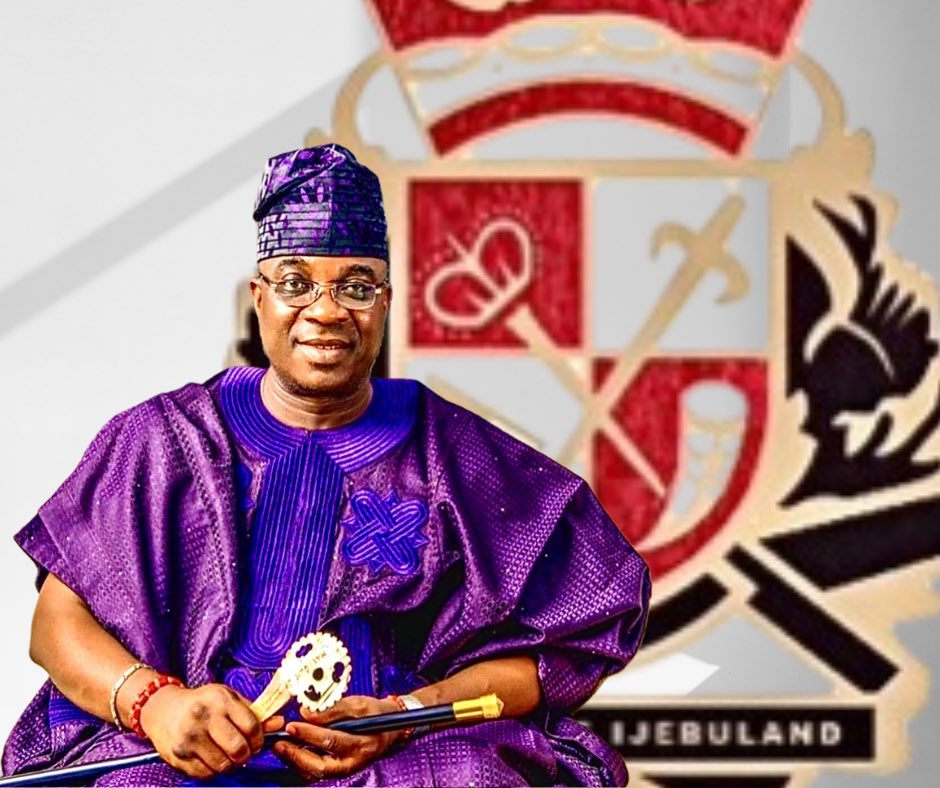
When Wasiu Ayinde Marshal, better known as K1 De Ultimate or KWAM 1, announced his intention to contest for the vacant Awujale stool of Ijebuland it quickly became more than just a celebrity’s bid for a traditional title; it touched deep questions about cultural preservation, identity, and who gets to define belonging within a community. The Awujale of Ijebuland is not just a ceremonial role but the embodiment of centuries-old traditions, ancestral lineages, and collective identity for the Ijebu people, and the debate sparked by KWAM 1’s actions has triggered widespread conversation about modern identity politics within that context.
From the outset, KWAM 1’s move was controversial because it hinged on lineage claims that were contested by the ruling structures that govern succession. The Fusengbuwa Ruling House, which under the Awujale Chieftaincy Declaration and the Ogun State chieftaincy laws is next in line to produce the new Awujale, rejected his claim of belonging to its royal lineage and declared the documents he submitted as invalid. That family insisted there was no evidence tying him to the Jadiara branch of the house and argued that his application form had been improperly certified, thus nullifying his claim to be a rightful contender under established customary processes.
The backlash was swift and reflected broader themes of identity politics: many within and outside Ijebuland saw KWAM 1’s entrance into the race as an attempt by a figure better known for his musical fame than for traditional royal lineage to bypass historical norms. Others saw the fierce opposition he faced as a defense of cultural norms, an insistence that historic structures and the integrity of succession must be protected against what some perceived as ad hoc reinterpretation. At its heart, this was a struggle over who gets to define belonging, legitimacy, and cultural continuity within the kingdom.
Things took a legal turn when KWAM 1’s attempt to secure an interim injunction to halt the selection process was rejected by the Ogun State High Court, which held his application lacked merit. Rather than proceed immediately, his legal team filed a notice of discontinuance in late December 2025, framing it as a tactical retreat to regroup and refine strategy rather than a final abandonment of his claims. Lawyers for the musician said they needed to take additional steps before continuing to pursue their legal challenge, suggesting that the fight over succession might be far from over.
At the same time, the Fidipote Ruling House, historically associated with KWAM 1’s own royal identity, wrote to the government arguing that the Fusengbuwa Ruling House had forfeited its right to nominate a candidate by missing statutory deadlines, and sought to have it disqualified. This action amplified the perception that traditional governance structures are not monolithic but contain internal disputes and competing interpretations of cultural and legal norms.
The long-term effects of these events on cultural preservation in the Ijebu kingdom are complex. On one hand, the controversy has reaffirmed the importance of strict adherence to customary laws and processes: elders, ruling houses, and legal frameworks have mobilised to defend the integrity of succession protocols that have stood for generations. In this sense, the episode could strengthen cultural preservation by reminding the community of how deeply rooted and significant these traditions are, and how closely they must be guarded against perceived threats. On the other hand, the visibility of the dispute and the involvement of high-profile figures like KWAM 1 have thrust Ijebu succession politics into the national spotlight, exposing it to public scrutiny and inviting interpretations shaped by modern identity politics rather than purely traditional criteria.
This blending of celebrity, law, and custom underscores a broader shift in how communities negotiate identity in the 21st century. Traditional roles like the Awujale throne exist within elaborate cultural frameworks, but they now also intersect with legal systems, media narratives, and popular perceptions of who is entitled to lead or embody cultural identity. KWAM 1’s actions—whether viewed as overreach or as a challenge to entrenched norms—have catalysed a conversation about how communities balance respect for heritage with evolving notions of membership and legitimacy. That conversation itself may become part of the evolving fabric of Ijebu identity politics long after the succession is settled, shaping how future aspirants, especially those with public profiles, approach issues of lineage, belonging, and cultural stewardship.

 Culture Beyond the Mainstream