
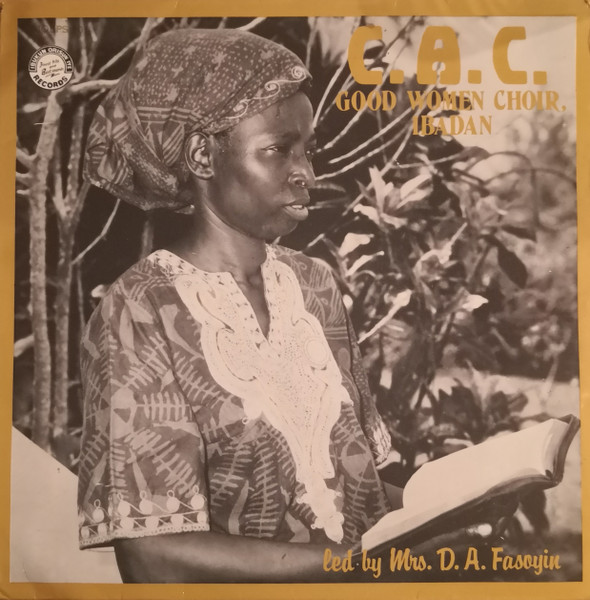
The story of gospel music in Nigeria cannot be fully told without recognising the immense role played by the Christ Apostolic Church. Long before gospel music became a commercial genre with concert stages and digital platforms, CAC had already laid a strong foundation through its choir culture, indigenous compositions and deeply spiritual performance style. In many ways, the church helped shape what Nigerian gospel music would eventually become.
From the early decades of its growth, CAC placed music at the centre of worship. Songs were not treated as fillers between sermons but as vehicles for prayer, prophecy, teaching and collective spiritual experience. This approach encouraged creativity within the church and gave rise to choirs whose influence extended far beyond their local assemblies. By the 1980s and 1990s, when recorded gospel music was still finding its footing in Nigeria, CAC choirs were already producing songs that circulated widely on vinyl records and cassette tapes, becoming staples in homes, churches and Christian gatherings.
One of the most important symbols of this legacy is the CAC Good Women Choir, Ibadan, led by Mrs D.A Fasoyin. Formed in the mid 1970s as part of the Good Women Association of the church, the choir grew from a church-based ensemble into a nationally recognised gospel institution. Their songs were simple, deeply scriptural and emotionally resonant, drawing heavily from indigenous melodies and Yoruba lyrical expression. This made their music instantly relatable to everyday Nigerians, especially women, families and grassroots worshippers.

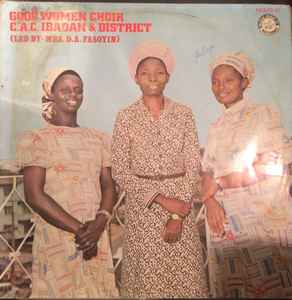
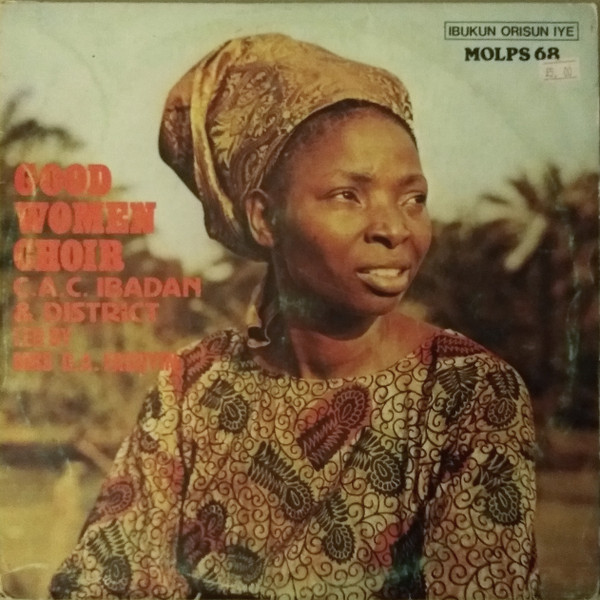
The release of songs like Odun Nlo Sopin marked a defining moment in Nigerian gospel music. It became more than a song; it was an annual spiritual ritual, signalling reflection, gratitude and hope as the year drew to a close. Decades later, the song remains relevant, still sung across denominations, markets, radio stations and prayer grounds. The enduring nature of this music speaks to how deeply it connected with the spiritual and cultural life of the people.
Beyond the music itself, the visual and performance elements of CAC gospel also left a lasting mark. Long before the era of polished gospel music videos, CAC choirs were already known for expressive group movements, coordinated gestures and rhythmic body language during performances. These were not choreographed for entertainment alone but served as extensions of worship, reinforcing the message of the songs and drawing congregations into active participation. When choir recordings later appeared on video formats, these movements became a visual signature that influenced how gospel music was performed and presented in Nigeria.
The 1980s and 1990s represented a crucial period for gospel music in Nigeria, and CAC stood at the centre of that growth. At a time when secular music dominated popular culture, CAC choirs proved that gospel music could command attention, loyalty and emotional depth without losing its spiritual focus. Their recordings sold widely, not because of aggressive promotion, but because people saw their own faith, struggles and hopes reflected in the songs.
The church also functioned as a training ground for musicians, songwriters and worship leaders. Many singers who later became prominent in the wider gospel scene were shaped by CAC’s disciplined choir structure, emphasis on harmony and spiritual accountability. Even artists who did not remain exclusively within CAC carried forward its musical philosophy into the broader gospel industry, spreading its influence across denominations and generations.
Today, as Nigerian gospel music enjoys international recognition and stylistic diversity, the imprint of CAC remains visible. The communal choir sound, the call and response format, the use of indigenous languages, and the balance between spirituality and musical expression all trace back to foundations laid by churches like CAC. While the genre has evolved, its roots remain firmly planted in the choir stands of churches where worship was sincere, disciplined and culturally grounded.
The contribution of the Christ Apostolic Church to Nigerian gospel music is therefore not just historical but foundational. Through groups like the CAC Good Women Choir and countless local assemblies, the church helped define the sound, spirit and structure of gospel music in Nigeria. Its legacy continues to sing, reminding listeners that before fame, before platforms and before modern production, gospel music was built on faith, community and heartfelt worship.



 Culture Beyond the Mainstream