
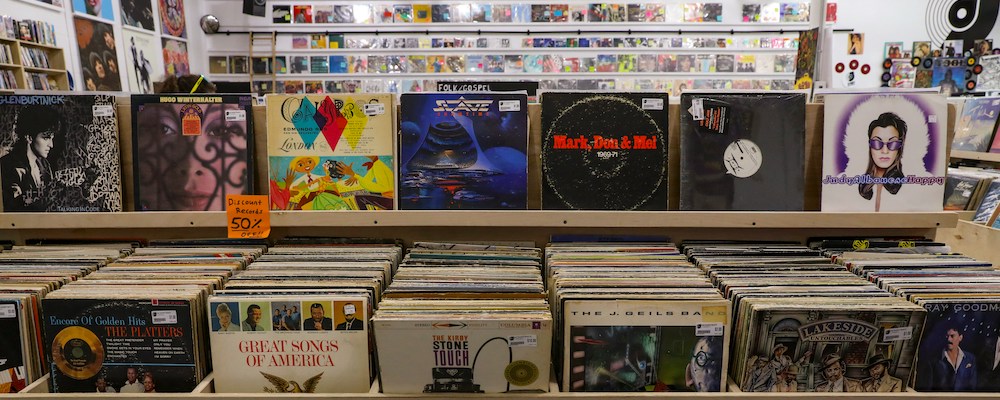
For a long time, music drifted away from the physical world. Songs became files, then streams, then background noise we barely touched or truly owned. With a swipe, we could access millions of tracks, but in the process, something intimate was lost. Now, vinyl culture is making a quiet but powerful comeback, alongside renewed interest in CDs and even cassette tapes. This return is not driven by nostalgia alone. It is a response to a deep desire to reconnect with music in a more personal and meaningful way.
Vinyl records are no longer just objects from the past. They represent a slower, more intentional way of listening. When you play a vinyl, you are involved in the process. You remove the record from its sleeve, place it carefully on the turntable, and lower the needle. That small ritual already prepares your mind to listen, not just hear. Music stops being background sound and becomes an experience that demands attention.
The old ways of listening to music on vinyl, CDs, and tapes are often considered the best because they encourage focus. You listen to albums as complete bodies of work, not shuffled fragments. Artists originally designed albums to be heard in sequence, with intros, interludes, and outros that tell a story. Physical formats respect that structure. You sit with the music from beginning to end, absorbing the emotions as the artist intended.
Beyond sound, physical music allows you to see music. Album art becomes part of the experience. Holding a record or CD while listening gives you access to the artist’s visual language. The cover artwork, typography, liner notes, and photographs offer clues into the world the artist is inviting you into. These visuals are deeply personal. They reflect the mood, politics, identity, and emotions behind the music. Streaming reduces album art to a tiny square on a screen, but vinyl sleeves turn it into a canvas you can study, feel, and understand.
There is also a sense of ownership that digital platforms cannot replace. Streaming gives access, not possession. A physical collection, however small, feels like a part of you. Each record, CD, or tape carries memories of when you bought it, where you found it, or who introduced you to it. Over time, your collection becomes a personal archive of your life and taste. Music becomes something you live with, not something that disappears when a subscription ends.
The comeback of vinyl culture is also about value. In an age where music feels disposable, physical formats remind us that music is art, labour, and expression. Buying a record is a way of supporting artists more directly and acknowledging the effort behind a body of work. It restores respect to the music and the people who create it.
As more listeners rediscover vinyl, CDs, and tapes, they are not rejecting modern technology. They are reclaiming a deeper relationship with music. They want to feel like they own their music again. They want to connect with sound, visuals, and stories in a way that feels human and intentional.
Music was never meant to be invisible. It was meant to be held, studied, and lived with. The revival of physical music is a reminder that listening is not just about convenience. It is about connection, ownership, and understanding the artist’s world, one album at a time.



 Culture Beyond the Mainstream