
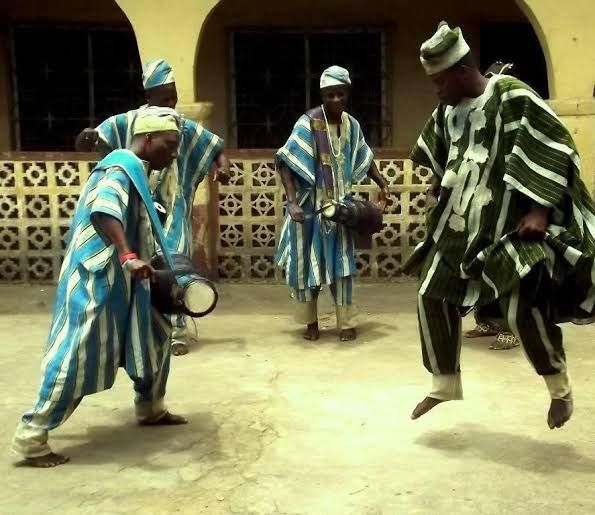
Nigeria’s cultural and traditional music has long been one of the strongest pillars of the country’s identity, yet it remains one of the most undervalued genres within the modern music industry. From Yoruba traditional music to Igbo folk sounds, Hausa praise chants, and riverine rhythms from the Niger Delta, cultural music has carried history, values, language, and communal memory across generations. Still, despite its deep importance, traditional musicians are often paid far less than artists in contemporary genres such as Afrobeats, hip hop, or pop.
In many parts of southern and western Nigeria, traditional musicians are seen primarily as custodians and promoters of culture rather than as professional artists whose work deserves fair economic value. They are invited to festivals, weddings, coronations, and community events to perform songs rooted in ancestry and tradition. A major aspect of their role is praise singing, where they compose and perform songs celebrating kings, chiefs, wealthy individuals, or notable figures within the community. This practice is deeply embedded in Yoruba and other southern Nigerian cultures, where music is used to honor lineage, achievements, and social status. Ironically, while these praise songs often elevate the reputation of the individual being celebrated, the musicians themselves are rarely compensated in a way that reflects the skill, creativity, and cultural labor involved.
When it comes time to negotiate payment or consultation fees, traditional musicians are frequently undervalued. Their fees are bargained down, delayed, or dismissed as insignificant, especially when compared to the large sums paid to artists in more commercial genres of Nigerian music. Afrobeats artists, for example, are often booked for millions of naira per performance, while cultural musicians performing for hours at equally important social or cultural events may receive only a fraction of that amount. This disparity reflects a broader societal mindset that treats traditional music as a cultural obligation rather than a professional service.
Yet cultural and traditional music remains one of the most powerful expressions of Nigerian heritage. Taking Yoruba cultural music as an example, listeners are drawn to these songs not merely for entertainment but because of a deep love and admiration for their culture. The music carries proverbs, oral history, indigenous language, and moral lessons that are rarely found in contemporary music. Drums like the talking drum, bata, and dundun do more than produce rhythm; they speak, tell stories, and connect the present to the past. For many Nigerians, especially those in the diaspora, traditional music provides a sense of belonging and emotional connection to home.
One of the greatest advantages of cultural and traditional music is the sense of pride it gives people in their identity. It reinforces who they are, where they come from, and what their community stands for. It teaches younger generations about respect, history, spirituality, and communal values. In a globalized world where cultures are constantly blending and sometimes disappearing, traditional music serves as a reminder of uniqueness and continuity. It also plays an important role in cultural diplomacy, presenting Nigeria to the world through sound, rhythm, and storytelling that cannot be replicated elsewhere.
However, the lack of financial and institutional support poses a serious threat to the survival of this genre. When traditional musicians are consistently underpaid and underappreciated, fewer young artists are motivated to pursue the craft. Many talented individuals abandon cultural music for more commercially viable genres because they believe, often rightly, that traditional music does not pay. Over time, this leads to fewer practitioners, weaker transmission of skills, and the gradual fading of musical traditions that have existed for centuries.
If this trend continues, Nigeria risks losing an essential part of its cultural heritage, not because the music lacks value, but because the people who sustain it are not supported. Preservation cannot rely solely on respect and symbolism; it must also include fair economic recognition.
The solution begins with a shift in mindset. Traditional musicians should be recognized as professional artists whose work has cultural, educational, and economic value. Communities, event organizers, and cultural institutions must be willing to pay fair fees that reflect the importance of their contributions. Government and private sector support can also play a role through grants, cultural festivals, documentation projects, and inclusion of traditional music in mainstream media and digital platforms.
Education is another key factor. Introducing traditional music more formally into schools and cultural programs can spark interest among younger generations and legitimize it as a viable career path. Digital distribution and streaming platforms can also be leveraged to monetize cultural music globally, especially among Nigerians in the diaspora who actively seek connections to their roots.
Ultimately, cultural and traditional music should not be treated as a charity act or mere cultural decoration. It is living art, professional labor, and a vital expression of Nigerian identity. Proper support, fair compensation, and intentional preservation efforts are necessary to ensure that this powerful genre does not fade into history, but continues to thrive for generations to come.
 Culture Beyond the Mainstream