
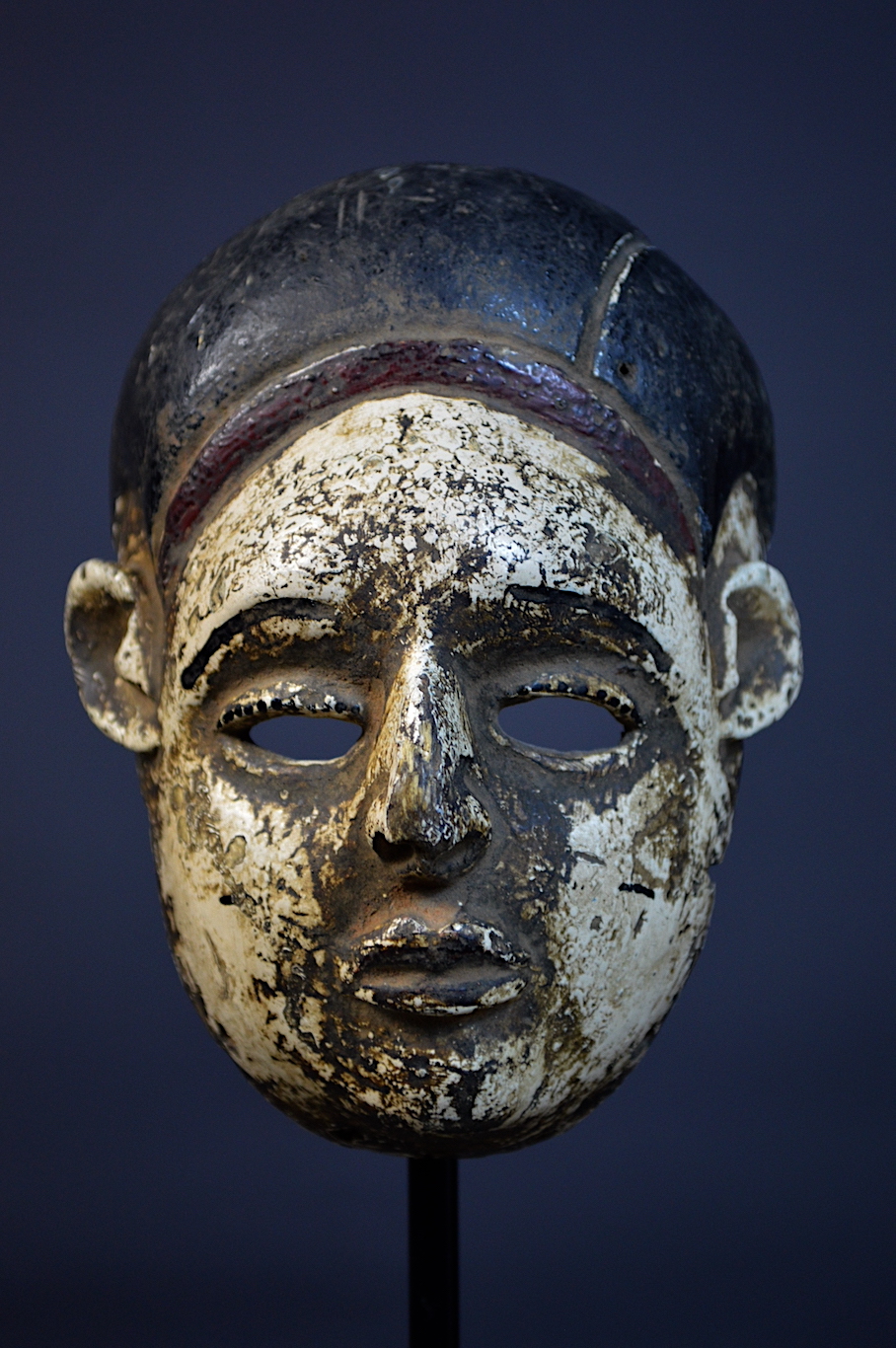
Across southern Nigeria, masquerade traditions display striking regional diversity in both mask design and performance style. These variations reflect differences in history, environment, belief systems, and social organization, making masquerades powerful markers of cultural identity rather than a single unified tradition.
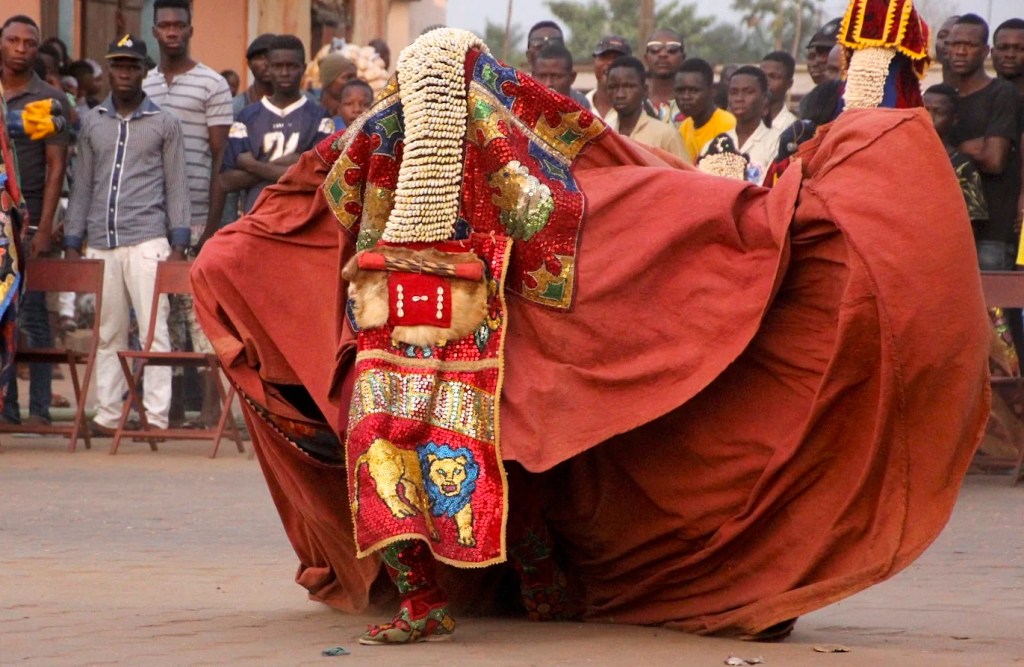
In Yorubaland, masquerades such as Egungun emphasize layered textiles rather than carved face masks. The costume itself becomes the mask. Flowing fabrics, richly patterned cloth, and elaborate embroidery conceal the body completely, symbolizing the presence of ancestral spirits. Performance is dynamic and forceful, marked by spinning, sudden movements, and rhythmic drumming that activate the swirling cloth. The spectacle is communal and authoritative, with Egungun often serving moral and social functions within the community.
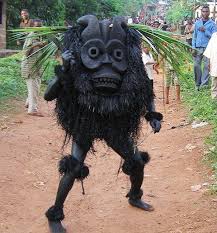
Among the Igbo, masquerades known as Mmanwu place strong emphasis on carved wooden masks. These masks vary widely, from human-like faces to exaggerated or abstract animal forms. Design choices communicate character, status, or spiritual alignment. Performance styles are theatrical and narrative-driven, involving acrobatics, satire, and dramatic gestures. Some Mmanwu entertain, while others instill fear or enforce social discipline, creating a spectrum of emotional engagement.
In the Niger Delta, particularly among the Ijaw and Itsekiri, mask designs often reflect the aquatic environment. Masks may feature smooth surfaces, aquatic symbolism, or spirit beings associated with water. Performances are fluid and graceful, echoing the rhythms of rivers and tides. Movements tend to be less aggressive and more ceremonial, emphasizing balance, flow, and spiritual connection to nature.
Within Cross River and Efik regions, masquerades such as Ekpe are highly structured and symbolic. Masks are often bold and stylized, using strong shapes, animal motifs, and striking color contrasts. Performance is controlled and hierarchical, reflecting the masquerade’s role within secret societies and governance systems. Movements are deliberate and coded, reinforcing authority rather than spectacle.
Across southern Nigeria, performance styles also differ in how audiences are engaged. Some traditions maintain strict boundaries between performer and spectator, while others invite communal participation. Sound, costume weight, tempo, and spatial movement all vary, shaped by local customs and meanings.
These regional differences demonstrate that masquerades in southern Nigeria are not interchangeable forms but distinct cultural languages. Each mask design and movement style carries specific knowledge about place, ancestry, and worldview. Together, they form a rich visual and performative map of southern Nigeria’s cultural diversity, reminding us that masquerades are living expressions shaped by the communities that sustain them.
 Culture Beyond the Mainstream