
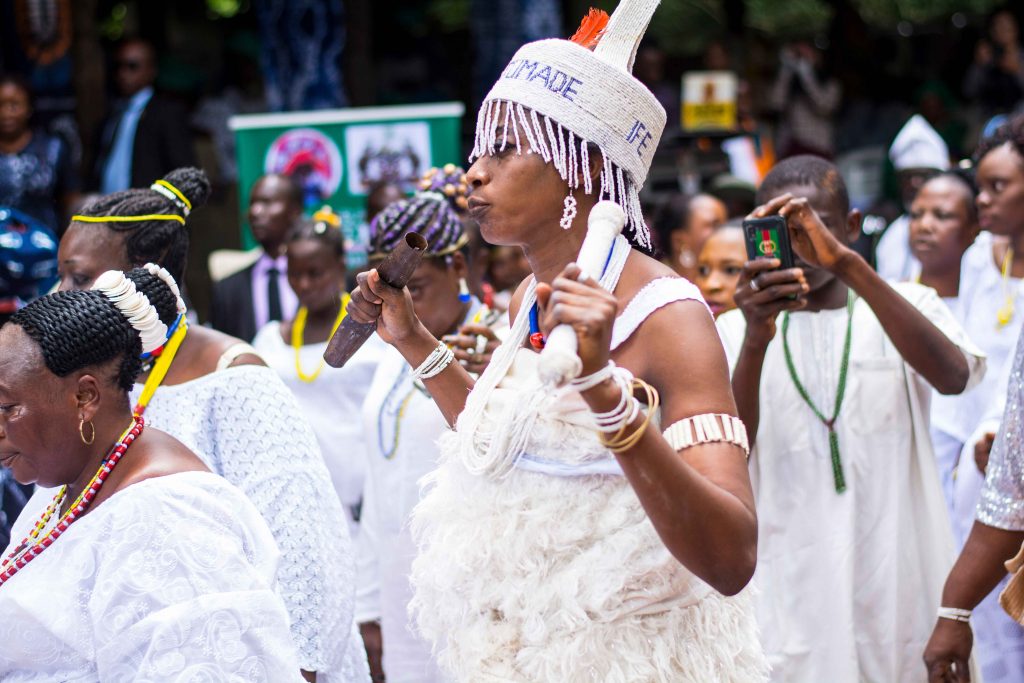
Across Nigeria, a renewed interest in creative heritage and cultural festivals is taking shape, driven by a generation eager to reconnect with tradition while reimagining its place in contemporary life. What was once seen mainly as ceremonial or local celebration is now gaining wider cultural relevance, attracting young Nigerians, creatives, tourists, and the diaspora who see these festivals as living expressions of identity rather than relics of the past.
Festivals like Ojude Oba in Ijebu Ode have become powerful symbols of how tradition can evolve without losing its essence. Originally a gathering to pay homage to the Awujale of Ijebuland, Ojude Oba has grown into a vibrant showcase of fashion, horsemanship, music, and inter generational pride. Age grade groups now prepare for months, blending traditional attire with modern design sensibilities, while photographers, filmmakers, and stylists turn the event into a visual archive shared across digital platforms. The festival has become both a cultural ritual and a creative stage, reflecting how heritage can speak fluently to the present.
In Lagos, the Eyo Festival continues to hold a unique place in the national imagination. The sight of white clad masquerades moving solemnly through the city creates a striking contrast between ancient ritual and modern urban life. For many young people, the festival offers a rare opportunity to witness indigenous spirituality and performance within a rapidly changing metropolis. Its growing visibility online has sparked conversations about preservation, symbolism, and respect for sacred traditions in an era of mass consumption and spectacle.
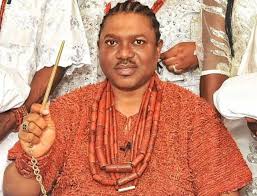
The Igogo Festival in Owo, Ondo state adds another layer to this cultural revival, centering on history, gender, and royal tradition. Rooted in the reign of a past Olowo, his name, Olowo Rerengenjen and the commemoration of Queen Oronsen, the festival stands out for its customs, including moments when the king adorns traditional beads and female attire. This aspect has drawn renewed interest from scholars, artists, and cultural commentators who see the festival as an entry point into discussions about power, memory, and gender roles in pre colonial Yoruba society.
What connects these festivals is not just their endurance, but their ability to inspire new forms of creativity. Designers draw from ceremonial costumes, musicians sample traditional rhythms, and visual artists reinterpret masquerade imagery for galleries and fashion editorials. Cultural festivals are increasingly influencing Nigeria’s creative economy, shaping how stories are told locally and how Nigerian identity is presented globally.
This renewed interest also reflects a broader desire for grounding in uncertain times. As globalization accelerates and digital culture dominates daily life, festivals offer communal experiences that emphasize belonging, continuity, and shared history. They remind participants that culture is not static, but something constantly negotiated and renewed through participation.
In embracing festivals like Ojude Oba, Eyo, and Igogo, Nigerians are not simply preserving heritage. They are actively reshaping it, proving that tradition can remain relevant, expressive, and powerful in the modern world.
 Culture Beyond the Mainstream