
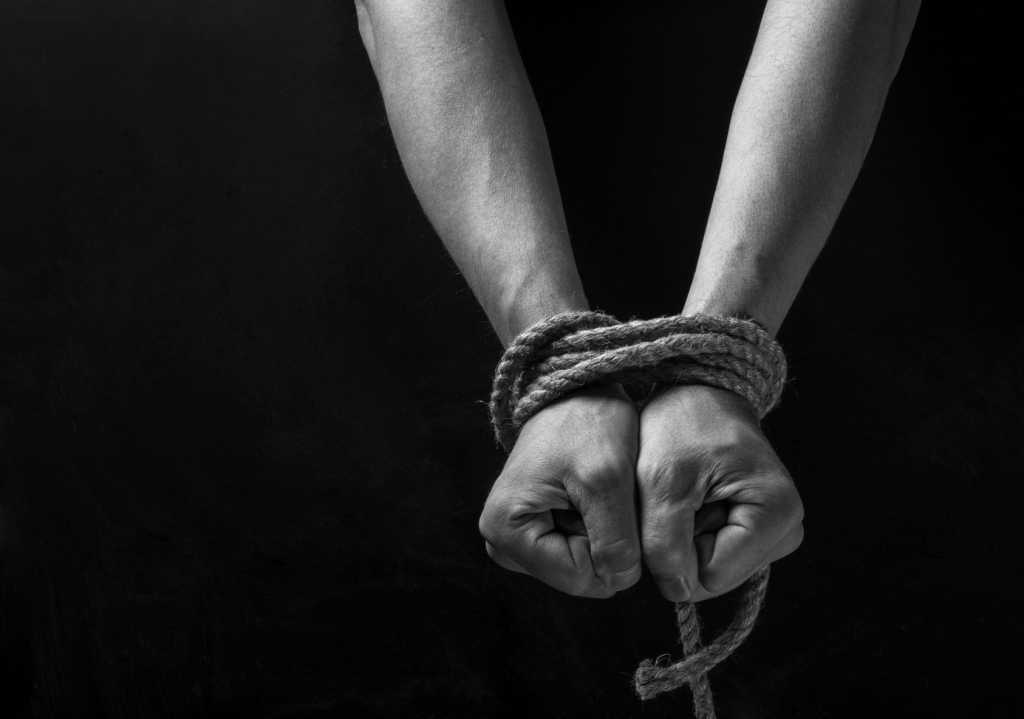
Modern slavery in Africa is a deeply rooted and complex human rights crisis that continues to affect millions of men, women, and children across the continent, even though formal slavery has long been abolished. Modern slavery refers to situations where people are exploited and cannot refuse or leave because of threats, violence, coercion, or deception, including forced labour, forced marriage, human trafficking, debt bondage, and other practices that strip people of their freedom and dignity.
According to the Global Slavery Index, an estimated 7 million people in Africa were living in modern slavery on any given day in 2021, equivalent to roughly 5.2 individuals per 1,000 population—making the continent’s prevalence among the highest globally. This includes over 3.8 million people in forced labour and more than 3.1 million people, especially women and girls, in forced marriages.
Modern slavery in Africa takes many forms and is driven by a combination of poverty, conflict, political instability, displacement, discrimination, and the fallout from crises like the COVID-19 pandemic. Forced labour is pervasive in sectors such as mining, agriculture, fishing, and domestic work. Vulnerable adults and children who migrate from rural to urban areas in search of work are particularly at risk of being deceived by traffickers and coerced into exploitative labour, sometimes abroad. Child exploitation is also widespread, with children in systems like the confiage arrangement in Togo forced into domestic servitude and talibe children in parts of Senegal compelled to beg for their Quranic teachers.
Forced marriage remains a significant aspect of modern slavery in Africa, disproportionately affecting girls. In certain regions, conflict and poverty contribute to families marrying off daughters as a perceived protective or economic coping strategy. Armed groups have also abducted women and girls, subjecting them to forced and exploitative marriages that encompass both domestic labour and sexual servitude.
Structural factors like weak governance, corruption, and ongoing conflict exacerbate vulnerability. Countries experiencing prolonged instability—such as South Sudan, Somalia, and the Central African Republic—tend to have some of the highest rates of modern slavery and the weakest protections. Ethnic or caste-based discrimination, such as descent-based slavery in parts of Mauritania and Mali, persists in communities where traditional hierarchies remain entrenched.
Modern slavery is not confined to Africa, but the continent’s high levels of vulnerability illustrate how intersecting crises make individuals more susceptible to exploitation. Global definitions of modern slavery emphasize that it continues to exist today because people are controlled and exploited for personal or economic gain through coercion, deception, or force.
Efforts to combat modern slavery in Africa have seen some progress, with countries like Nigeria and South Africa strengthening legal responses and support systems. However, much more remains to be done to protect survivors, reduce risk factors, and build comprehensive national strategies that prevent exploitation and uphold human rights for all.
 Culture Beyond the Mainstream