

Olowe of Ise (c. 1873–1938) was one of the most celebrated Yoruba sculptors, renowned for his mastery of woodcarving and innovative approach to form and composition. Born in Efon Alaye, Ekiti State, he became a court artist, creating elaborate doors, veranda posts, and shrine pieces for royal palaces, particularly in Ikere, Ise, and other towns of the Ekiti and Ondo regions. His works are distinguished by their dynamic forms, intricate detail, and expressive figures, often blending narrative storytelling with Yoruba cosmology and courtly symbolism.
Olowe’s carvings were primarily commissioned for ceremonial and ritual contexts, including palace decorations, ancestral altars, and religious shrines, reflecting the social, spiritual, and political life of the Yoruba people. Despite working within a local tradition, his artistry carried a distinctive innovation, using complex compositions that combined multiple figures in interlocking, expressive arrangements that conveyed movement and life.
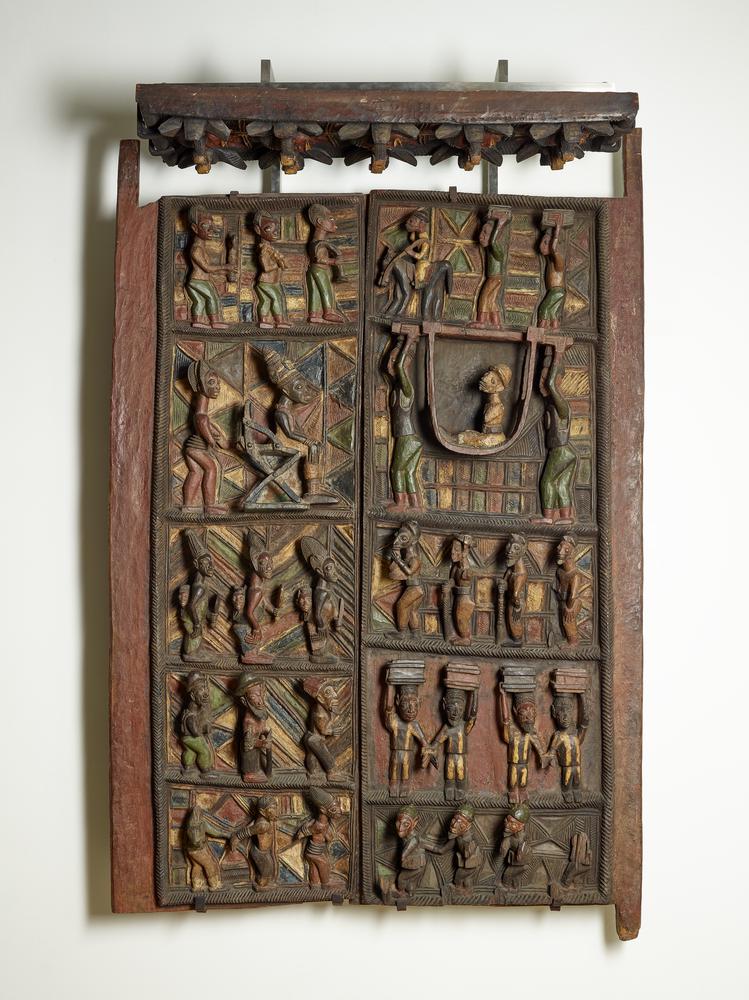
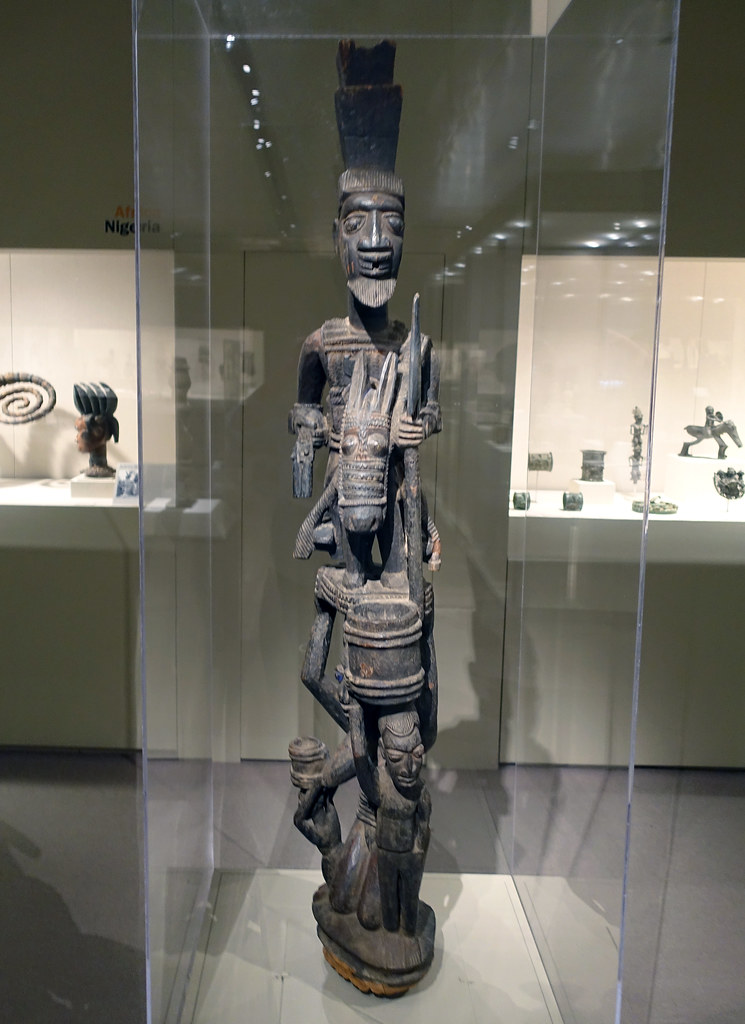
The international recognition of Olowe’s art began in the early 20th century, when collectors, missionaries, and scholars encountered his works. His pieces were acquired by museums in Europe and North America, including the British Museum, the Metropolitan Museum of Art, and the Smithsonian Institution. Exhibitions of Yoruba art, modernist interest in African aesthetics, and scholarship on African sculpture further propelled Olowe’s reputation beyond Yorubaland. Today, his works are celebrated globally not only as ethnographic artifacts but as masterpieces of world art, influencing modern artists and affirming the sophistication of Yoruba visual culture.
Olowe of Ise’s legacy endures as a bridge between Yoruba tradition and global appreciation, showing how local cultural expression can resonate far beyond its place of origin while retaining its spiritual and social significance.



 Culture Beyond the Mainstream