
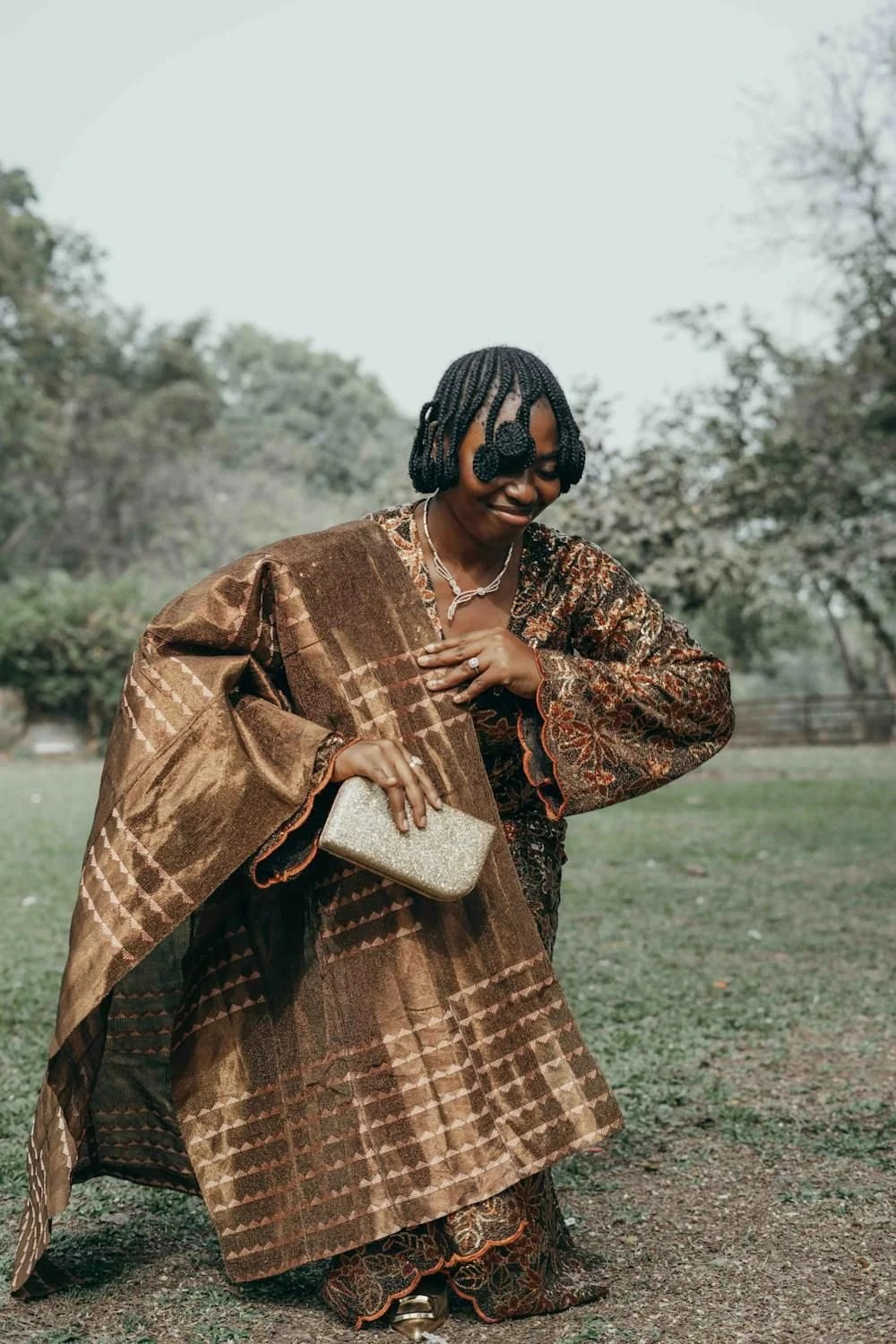
Post-colonial Nigeria is a complex tapestry of indigenous identities shaped by centuries of history, colonial disruption, and modern statehood. Within this mosaic, the question of identity is not merely cultural but political, psychological, and existential. To say “Yoruba first” is not a call for exclusion, but an assertion that indigenous identity must precede colonial constructs in understanding who Nigerians are and how they relate to the modern state.
British colonial rule did not merely redraw borders; it reordered identities. Distinct nations with established political systems, philosophies, and spiritual worldviews were compressed into a single administrative entity called Nigeria. Ethnic identities such as Yoruba, Igbo, Hausa, Tiv, Ijaw, and others were subordinated to an imposed national identity designed for governance and extraction, not cultural coherence.
As a result, post-colonial Nigeria inherited a crisis of belonging. Citizenship became legal rather than organic, while indigenous identities were often reduced to “ethnic groups” instead of recognized as nations with histories predating colonialism.
The Yoruba are not simply an ethnic group but an indigenous civilization with deep historical continuity. Long before colonial contact, the Yoruba world had sophisticated systems of governance (Ife, Oyo, Ijebu, Ekiti polities), jurisprudence, art, philosophy, and spirituality. Concepts such as Omolúàbí (moral integrity and communal responsibility) provided ethical frameworks that guided social life.
To be Yoruba first is to acknowledge this civilizational inheritance. It means grounding identity in language, worldview, history, and values that existed independently of Nigeria. This does not negate Nigerian citizenship; rather, it corrects the colonial hierarchy that placed the nation-state above indigenous reality.
In post-colonial Nigeria, indigenous identities face erosion through globalization, urbanization, and the lingering prestige of colonial languages and institutions. Many young Nigerians are fluent in English but disconnected from their mother tongues. Indigenous knowledge systems are often sidelined in favor of Western epistemologies.
For the Yoruba, reclaiming identity involves revitalizing language, oral traditions, festivals, historical consciousness, and indigenous governance principles. It also means resisting the reduction of Yoruba culture to aesthetics alone while ignoring its philosophical depth.
Saying Yoruba first is not anti-Nigeria. It is a decolonial stance that insists that true unity cannot be built on erased identities. A stable Nigeria must be a federation of confident indigenous peoples, not a melting pot that dissolves difference. When individuals are rooted in who they are, they engage the nation from a position of dignity rather than insecurity.
Indigenous identities remain the most authentic anchors of belonging in post-colonial Nigeria. For the Yoruba, affirming identity is an act of historical continuity and cultural survival. Yoruba first is a reminder that before colonial borders, before Nigeria, there were peoples with names, memories, and meaning. Reclaiming that truth is essential not only for the Yoruba, but for the future of Nigeria itself.



 Culture Beyond the Mainstream