
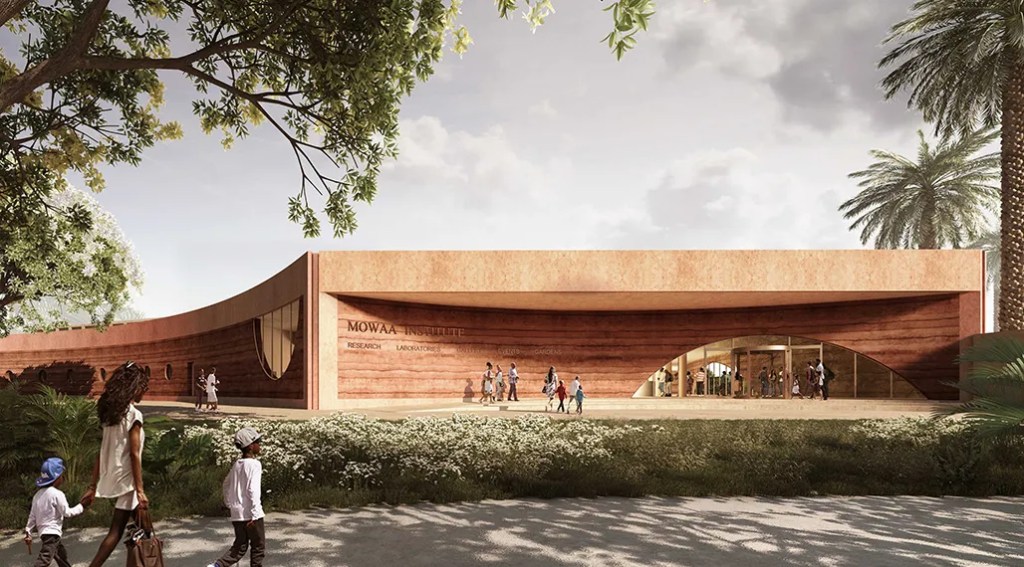
The vision behind the Museum of West African Art (MOWA) was never limited to bricks, galleries or architectural prestige. It was conceived as a cultural landmark capable of repositioning Nigeria, and particularly Edo State, at the centre of global conversations on African heritage, restitution, contemporary creativity and cultural diplomacy. The prolonged delay and apparent stalling of the project therefore represents more than an administrative or infrastructural setback. It raises deeper questions about Nigeria’s cultural ambition, national identity and its standing within the global cultural ecosystem.
Cultural diplomacy functions as a form of soft power. Through museums, festivals, cultural institutions and heritage sites, nations project their values, histories and creative capacities to the world. For Nigeria, whose cultural output has gained unprecedented global visibility through music, fashion, film and contemporary art, the absence of a flagship institution like MOWA creates a noticeable gap between cultural influence and institutional representation. While Nigerian culture travels widely, the structures meant to anchor and interpret that culture on Nigerian soil remain fragile or unrealised.
MOWA was positioned to be a response to decades of cultural loss and marginalisation, especially in the context of the Benin Bronzes and broader debates on restitution. As an institution located in Benin City, close to the historical heart of one of Africa’s most sophisticated precolonial civilisations, MOWA symbolised a reclaiming of narrative authority. Its delay weakens Nigeria’s ability to credibly assert leadership in conversations about heritage justice, restitution and ethical museum practice. Without a functional, world-class institution ready to receive, conserve and interpret returned artefacts, Nigeria’s moral and diplomatic arguments lose some of their practical force.
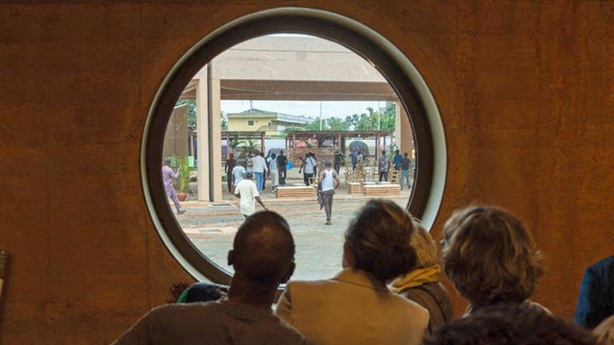
On the global stage, museums are not neutral spaces. They are instruments of storytelling, power and legitimacy. Countries such as Senegal, Morocco and South Africa have invested heavily in cultural infrastructure precisely because museums signal seriousness of intent. The delay of MOWA risks reinforcing harmful stereotypes about African states as unable to sustain complex cultural projects, regardless of intellectual capacity or artistic excellence. This perception affects how international partners, donors, collectors and cultural institutions engage with Nigeria in the long term.
National identity is also shaped internally by visible symbols of collective memory. Museums serve as civic spaces where citizens encounter their shared past and imagine a collective future. The absence of MOWA deprives Nigerians, particularly young people, of an institution that could foster historical literacy, pride and critical reflection. In a country grappling with social fragmentation, insecurity and contested national narratives, cultural institutions can play a stabilising role by affirming shared heritage while accommodating diversity. The delay therefore has social consequences that extend beyond the cultural sector.
Economically, cultural diplomacy is increasingly intertwined with tourism, urban regeneration and creative industry growth. A functioning MOWA would likely have become a magnet for international visitors, scholars, artists and investors, strengthening Nigeria’s cultural economy and positioning Edo State as a continental cultural hub. The stalled project represents lost momentum, lost confidence and missed opportunities to translate cultural capital into sustainable economic value.
The long-term impact of the delay may be most damaging in the realm of credibility. Cultural diplomacy relies on consistency, trust and delivery. When visionary projects are announced but not completed, it creates fatigue among stakeholders and scepticism among international observers. This undermines future cultural initiatives, regardless of their merit, because partners become cautious about commitment and follow-through.
Yet, the MOWA delay does not have to mark a permanent retreat. It can also serve as a moment of reckoning and recalibration. For Nigeria to strengthen its global cultural profile, cultural policy must be treated as a strategic priority rather than a symbolic gesture. This means transparent governance, diversified funding models, continuity beyond political cycles and genuine engagement with local communities, artists and traditional institutions.
If revived and completed with integrity, MOWA could still become a powerful instrument of cultural diplomacy, signalling Nigeria’s readiness to steward its heritage and shape global narratives on African history and creativity. If left unresolved, however, it risks becoming a symbol of unrealised potential, reflecting the broader tension between Nigeria’s immense cultural influence and its underdeveloped cultural infrastructure.
Ultimately, the fate of MOWA is inseparable from Nigeria’s aspirations on the world stage. Cultural diplomacy is not built on rhetoric alone but on institutions that embody vision, responsibility and confidence. Whether Nigeria chooses to fulfil or abandon that vision will shape how it is seen, not only as a cultural producer, but as a cultural leader in Africa and beyond.



 Culture Beyond the Mainstream