
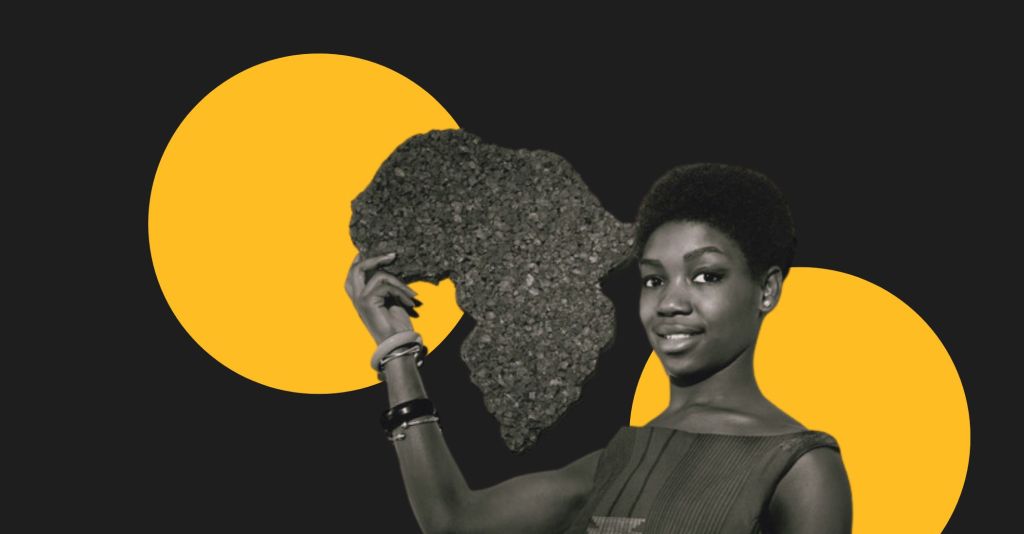
The erosion of communal living and extended family systems among Africans in the diaspora reflects one of the most profound cultural shifts experienced outside the continent. For centuries, African societies were organised around collective responsibility, shared child-rearing, intergenerational support and a deep sense of belonging rooted in kinship and community. In many parts of Africa, family extended beyond parents and siblings to include grandparents, aunts, uncles, cousins and even non-biological members bound by obligation and trust. In the diaspora, however, these structures are increasingly strained, fragmented or lost altogether.
Migration often begins as a survival strategy, driven by economic hardship, political instability or the pursuit of education and opportunity. Yet the societies many Africans migrate into are shaped by individualism, nuclear family models and self-sufficiency. These values influence how success, privacy and independence are defined. Over time, Africans in the diaspora are pressured to adapt to systems that reward personal achievement over collective wellbeing, subtly reshaping attitudes toward family and community obligations.
One major factor in this erosion is physical separation. Extended families that once lived within walking distance are now spread across cities, countries or continents. Regular communal gatherings become rare, and relationships that once thrived on daily interaction are reduced to phone calls, social media messages or occasional visits. As generations grow up geographically removed from elders, the transmission of cultural values, language and customs weakens.
Economic realities in the diaspora also play a role. High living costs, demanding work schedules and limited social support systems leave little time or energy for communal care. Elderly relatives may be placed in care homes rather than being supported within the family, and childcare is often outsourced to institutions rather than shared among relatives. These choices are often born out of necessity, yet they gradually normalise practices that conflict with traditional African values of collective responsibility.
Intergenerational tension further complicates the issue. First-generation migrants may attempt to preserve communal norms, while second- and third-generation Africans raised in the diaspora often prioritise independence and personal boundaries shaped by their host societies. Obligations that were once unquestioned, such as financial support for extended family or communal decision-making, can become sources of conflict. Younger generations may view these expectations as burdensome, while elders see resistance as cultural loss or disrespect.
The erosion of communal living also affects mental and emotional wellbeing. In traditional African societies, communal systems provided emotional safety nets during hardship, grief or crisis. In the diaspora, isolation can become a silent struggle, particularly for migrants who lack extended support networks. Loneliness, burnout and identity confusion are common consequences of living between cultures without the communal anchors that once offered stability.
Technology has offered partial compensation but not replacement. While digital platforms allow families to stay connected across borders, they cannot fully replicate the intimacy, accountability and shared responsibility of physical community. Online connection often lacks the depth required to sustain communal living as it once existed.
Despite these challenges, the erosion of communal systems is not absolute. Many African diaspora communities continue to recreate communal spaces through cultural associations, faith groups, cooperative savings schemes and informal support networks. These efforts represent a conscious attempt to adapt traditional values to new environments rather than abandon them entirely.
Preserving communal living in the diaspora requires intentional effort. It involves teaching younger generations the value of shared responsibility, redefining community beyond blood ties and creating systems of care that work within modern realities. Communal living may no longer look the same as it did on the continent, but its core principles of solidarity, empathy and collective survival remain relevant.
The erosion of extended family systems among Africans in the diaspora is not simply a story of loss. It is also a story of adaptation, tension and possibility. How these communities choose to balance tradition and modernity will shape the cultural identity, resilience and wellbeing of future generations.



 Culture Beyond the Mainstream