
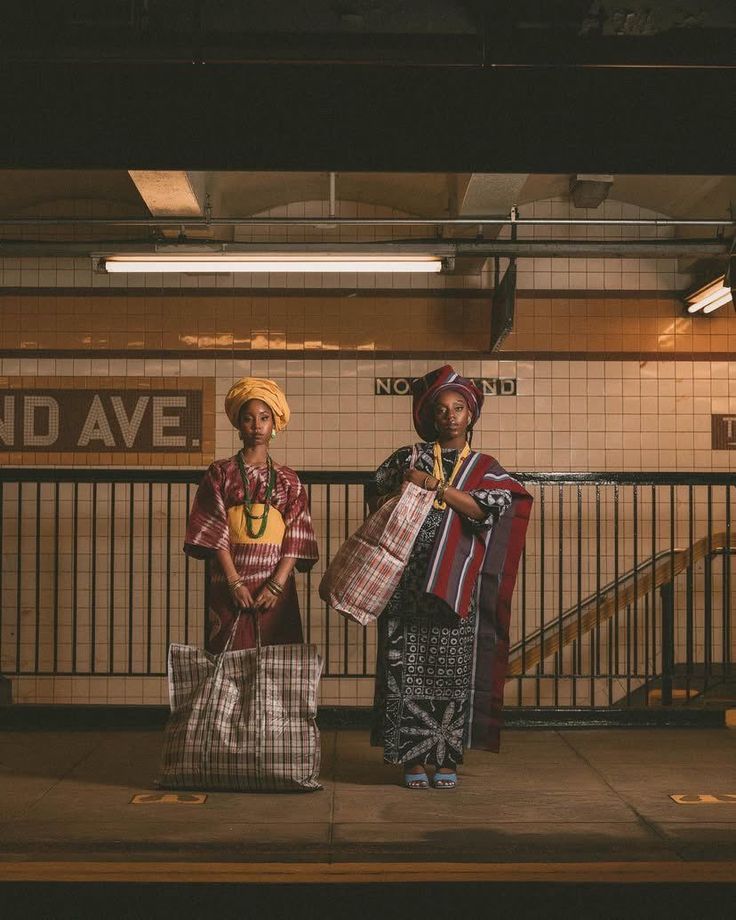
African naming systems are not casual labels or decorative sounds. They are living archives of history, belief, lineage and identity. Across many African societies, names are deliberately chosen to reflect circumstance, ancestry, spirituality, profession, hope and collective memory. A name is often the first story told about a person, situating them within a family, a community and a continuum that stretches far beyond the individual. Yet in the African diaspora, these deeply meaningful names are increasingly being abandoned, shortened, hidden or replaced with European ones, often as a response to pressure, racism and the demand to assimilate.
For many Africans living outside the continent, changing or suppressing an African name is not an act of self rejection but a strategy for survival. Numerous studies and lived experiences show that African sounding names are more likely to be mispronounced, mocked or quietly discriminated against in job applications, workplaces and institutions. In response, many Africans adopt European names to improve their chances of employment, avoid daily microaggressions or simply move through society with less resistance. In these contexts, name dropping becomes a shield, a way to navigate systems that were never designed with African identities in mind.
This pressure has begun to shape naming choices at birth. Increasingly, African parents in the diaspora consciously give their children European first names, sometimes keeping African names as middle names or excluding them altogether. The belief is often protective: that a European name might spare a child from discrimination, bias or exclusion in the future. While the intention is rooted in care and realism, it also reflects the painful reality that African identity is still treated as a liability in many global spaces.
What is lost in this process is profound. African names are not random or aesthetic choices. They carry meaning, purpose and pride. In many cultures, especially among the Yoruba, a name explains who you are, where you come from and how you arrived in the world. Names mark births after loss, honour ancestors, signal lineage and preserve family memory. To erase or replace these names is to disconnect a child from a vital source of ancestral knowledge.
Take the Yoruba name Yetunde, given to a girl born shortly after an adult woman in the family has passed away. The name literally means mother has returned. It reflects the belief that life is cyclical and that the spirit of the departed lives on through the newborn. The male equivalent, Babatunde, means father has returned. These names are not symbolic alone. They carry emotional weight, continuity and spiritual meaning that bind the child to family history.
Other Yoruba names point directly to lineage and inherited roles. Names that begin with Ayan immediately signal descent from a lineage of drummers, custodians of rhythm, memory and oral tradition. Such names are not merely identifiers but guides, offering children insight into who their ancestors were and the gifts they carried. Warrior names like Balogun, meaning warlord, reference ancestral leadership, bravery and military responsibility within a community. These names preserve history without the need for written records.
Even names that express tenderness and care are culturally loaded. Names like Omotoke, Abeke and Anike are given to girls to express affection, value and protection. Abeke, for example, refers to a child so precious she must be begged for and carefully nurtured. These names encode how a child is to be treated and regarded within the family and society.
When African names are discarded or reduced to secondary status, children lose access to these narratives. They are separated from stories that could anchor their identity and strengthen their sense of self. Research and community experience consistently show that African children in the diaspora who retain and embrace their African names often develop stronger confidence, self worth and cultural grounding. Knowing the meaning of one’s name fosters pride and resilience, especially in environments where African identity is frequently marginalised.
The sadness of this erosion lies not in adaptation itself, but in the imbalance of power that forces adaptation to occur at the cost of cultural integrity. African naming systems represent intellectual, spiritual and social sophistication that long predates European contact. To abandon them under pressure is not a reflection of their inadequacy, but of the environments Africans are compelled to survive in.
Preserving African names in the diaspora is therefore an act of resistance as much as it is an act of love. It asserts that African identity is not something to be hidden, softened or translated for acceptance. It affirms that African history, meaning and dignity are worth carrying forward, even in hostile spaces.
African names hold stories that cannot be replaced by convenience. To keep them is to keep memory alive, to honour ancestors and to give future generations a firm place to stand. In a world that often demands erasure as the price of belonging, choosing to name and remain named is a powerful declaration of self.



 Culture Beyond the Mainstream