
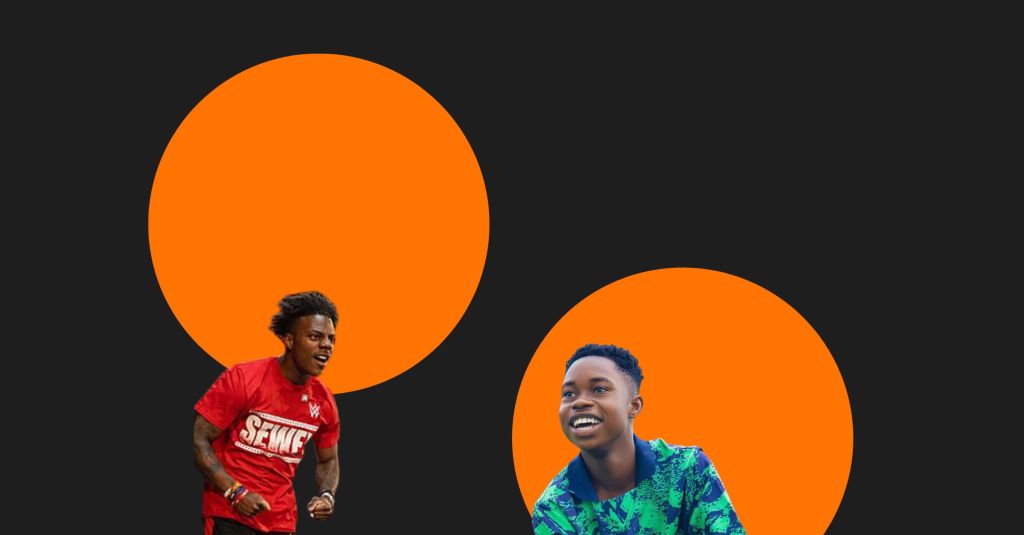
IShowSpeed’s visit to Lagos was a reminder of how powerful digital influencers have become in shaping global perceptions of place, culture, and people. With a single livestream, millions of viewers across the world encountered Nigeria not through documentaries, policy reports, or curated tourism campaigns, but through spontaneous interactions on the streets of Lagos. That power is enormous. Yet the visit also exposed the limits of influencer-driven representation, and more importantly, forced a hard conversation about who Nigerians choose to elevate as cultural representatives.
There is no denying the reach. IShowSpeed commands a global audience that many national media platforms can only dream of. His presence alone was enough to draw crowds, spark online conversations, and place Nigeria at the centre of global digital attention. In that sense, the visit worked. Nigeria was visible. Nigeria was trending. Nigeria was being watched. But visibility alone is not representation, and attention does not automatically translate into dignity or depth.
What unfolded in Lagos revealed a troubling pattern. Rather than a thoughtful cultural showcase, much of the experience became chaotic, shallow, and at times embarrassing. Several Nigerian content creators behaved less like cultural ambassadors and more like desperate spectators seeking validation. Public begging, forced skits, loud interruptions, and uncoordinated crowd behaviour overshadowed any meaningful attempt to show Nigeria’s richness, complexity, or history.
The controversy around creators like Peller being ignored sparked online outrage, but it also raised a deeper question: ignored for what, exactly? If access to a global influencer becomes the ultimate measure of relevance, then the problem is not who was ignored, but why we believe certain creators deserve to be front-facing representatives of a nation in the first place.
Nigeria is not lacking in stories, intellect, beauty, or heritage. What it often lacks is intention in how it presents itself. Lagos is vibrant and important, but Nigeria is far bigger than Lagos. A visit to Idanre Hills would have shown ancient engineering and spiritual geography carved into stone. Obudu Cattle Ranch would have revealed climate, landscape, and eco-tourism rarely associated with West Africa. Badagry holds the painful but essential history of the transatlantic slave trade. The ancient Benin Palace represents one of Africa’s most sophisticated precolonial political and artistic civilisations. These are not obscure locations. They are foundational narratives of Nigerian identity.
Yet none of these were prioritised. Instead, the lens remained fixed on chaos, noise, and spectacle.
This moment exposed the consequences of the kind of content Nigerians have collectively promoted over the years. We have celebrated creators whose work thrives on shock, ridicule, unseriousness, and anti-intellectualism. Characters built on exaggerated ignorance, performative poverty, or loud absurdity often receive more attention, engagement, and financial reward than those producing thoughtful, educational, or culturally grounded content. Over time, algorithms reward what we reward. Eventually, these creators become the loudest voices in the room, and when global attention arrives, they are the ones standing at the front.
Creators such as Egungun, Peller, Chicken, and Salo may succeed within certain entertainment niches, but their content is not designed to carry the weight of national representation. The issue is not personal morality or individual success. It is about suitability and context. Comedy and street performance have their place, but when they dominate the image of a country to an international audience, they flatten Nigeria into caricature.
IShowSpeed himself is not to blame. He did what influencers do: respond to energy, chaos, and virality. The responsibility lies with local gatekeepers, collaborators, and audiences who failed to curate the experience. Influencers amplify what they encounter; they do not design cultural frameworks. Expecting a foreign streamer to intuitively navigate Nigeria’s cultural depth without guidance is unrealistic.
This is where the limits of digital influence become clear. Influencers can open the door, but they cannot decide what stands behind it. If what greets the world is disorganisation, unseriousness, and a hunger for clout, then that is the image that travels globally.
The Lagos visit should serve as a wake-up call. Nigeria does not need to beg for visibility. It needs to be intentional about representation. That means investing in cultural literacy, promoting creators who think as much as they perform, and understanding that global attention is not a joke or a skit. It is a mirror.
What the world saw during IShowSpeed’s visit was not Nigeria at its best or worst, but Nigeria as it has chosen to present itself online. Until that choice changes, no amount of global exposure will fix the image problem.
 Culture Beyond the Mainstream