
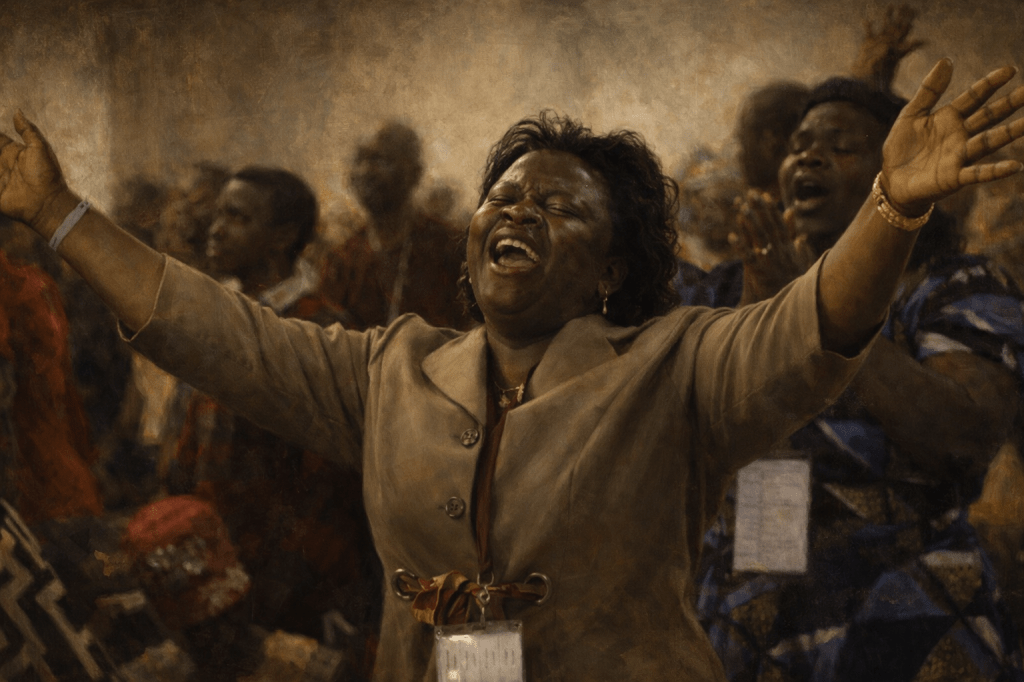
Faith holds immense power in Nigeria. For millions, the church is not just a place of worship but a source of guidance, healing, community, and hope. Pastors are entrusted with deep spiritual authority, often influencing personal decisions about marriage, finances, health, and family. But when this authority is left unchecked, it can become dangerous. In recent years, multiple recorded incidents have revealed how some Nigerian pastors have abused their positions, causing irreversible harm to lives, homes, and marriages they were meant to protect.
There have been documented cases of sexual abuse, emotional manipulation, and financial exploitation within Nigerian churches. In 2024, Pastor Feyi Daniels, founder of I Reign Christian Ministry in Lagos, was sentenced to life imprisonment after being convicted of raping a female church member and sexually assaulting another. The court established that his position as a spiritual leader was used to gain trust, silence victims, and exert control. This was not an isolated incident but one of the few that successfully made it through the justice system.
Multiple women have also accused the late televangelist T B Joshua of long term physical, emotional, and sexual abuse while they were under his spiritual authority at the Synagogue Church of All Nations. Former members described environments where obedience was enforced through fear, isolation, and spiritual intimidation. These allegations, reported by international media and survivor testimonies, exposed how religious spaces can become sites of control rather than care.
There have also been cases involving senior pastors stepping aside after allegations of sexual misconduct and abuse of power, such as Pastor Chris Okafor of Mountain of Liberation and Miracles Ministries, and investigations involving senior clergy within major denominations like ECWA. These reports show a pattern where authority is personalised, accountability is absent, and victims are often silenced by shame or fear of spiritual consequences.
Beyond sexual abuse, financial exploitation has destroyed countless homes. Congregants have been pressured to give money they cannot afford, sell property, or cut off family members in the name of faith or obedience. Some pastors have interfered directly in marriages, encouraging separation, control, or emotional dependency, leaving families broken and individuals traumatised. When questioned, dissent is often framed as rebellion against God rather than concern for justice.
The core problem is not faith itself but power without accountability. Many churches operate as private empires, answerable only to their founders. Pastors are elevated as untouchable figures whose words are rarely challenged. In such systems, abuse thrives because victims are taught that silence equals holiness and resistance equals disobedience.
These abuses matter because they contradict the very purpose of spiritual leadership. Pastors are meant to heal, guide, and restore. When they instead exploit trust, manipulate vulnerability, and destroy lives, the damage goes beyond individual victims. Communities lose faith, families collapse, and religion becomes associated with fear rather than hope.
Addressing this crisis requires honesty and structural change. Churches must embrace accountability, safeguarding systems, and clear boundaries of authority. Congregants must be encouraged to question abuse without being spiritually blackmailed. Faith should never require the suspension of reason, dignity, or justice.
Unchecked authority has already cost too many Nigerians their peace, their families, and their lives. Naming the problem is the first step toward ensuring that faith becomes a force for healing again, not harm.
 Culture Beyond the Mainstream