
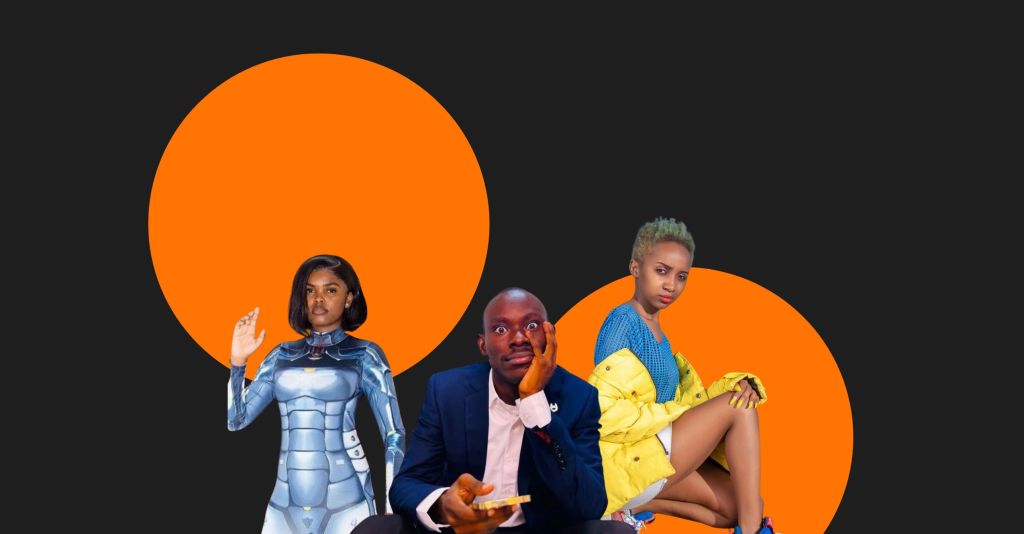
Social media has become one of the most powerful forces shaping the identity of African youth today. From Lagos to Nairobi, Accra to Johannesburg, platforms like Instagram, TikTok, X, and YouTube are no longer just tools for communication. They are spaces where identity is formed, tested, and performed. For many young Africans, online visibility has become closely tied to belonging, relevance, and self-worth.
On the positive side, social media has given African youth unprecedented access to global conversations. It has created opportunities for self-expression, creativity, and economic independence. Young people can tell their own stories without waiting for validation from traditional media. African fashion, music, comedy, and art now travel across borders in seconds. Entire careers have been built from smartphones, and voices that were once ignored now command global audiences. Social media has also helped many young Africans connect with shared histories, cultures, and political struggles, strengthening collective awareness and activism.
However, alongside these benefits lies a growing concern: the pressure to conform. Social media thrives on trends, algorithms, and virality. As a result, many young Africans feel compelled to mimic what is popular rather than explore who they truly are. Fashion styles, speech patterns, humour, political opinions, and even personal values are often adopted not because they resonate deeply, but because they guarantee attention and acceptance. In the quest to “belong,” individuality is frequently sacrificed.
This constant imitation has contributed to a visible erosion of uniqueness and personality. When everyone dresses the same, speaks the same internet language, chases the same aesthetics, and repeats the same opinions, identity becomes shallow and performative. Personality, which is shaped by reflection, lived experience, and cultural grounding, is replaced by online personas designed for approval. Over time, this can create a generation that knows how to perform but struggles to define itself outside digital validation.
The importance of personality cannot be overstated. Personality is what allows individuals to think independently, resist harmful norms, and contribute meaningfully to society. It is the foundation of leadership, creativity, and cultural continuity. When personality is underdeveloped, people become easily influenced, emotionally fragile, and dependent on external affirmation. This poses a long-term risk to social identity, as communities begin to reflect trends rather than values, and visibility becomes more important than substance.
Another concerning effect is the detachment from local realities. Many African youths increasingly measure success using standards shaped by foreign lifestyles and online illusions. This can create dissatisfaction, inferiority complexes, and a sense of failure disconnected from real social conditions. While exposure to the world is valuable, losing grounding in one’s environment can weaken cultural confidence and self-understanding.
This does not mean African youth should reject social media. The issue is not the platform but the relationship with it. Social media should be a tool for expression, not a template for identity. African youths must be encouraged to build personality before performance, values before visibility, and depth before virality. Schools, families, and cultural institutions have a role to play in nurturing critical thinking, cultural literacy, and self-awareness.
The future of Africa depends not just on a connected youth, but on a grounded one. A generation that understands who it is beyond trends, algorithms, and online applause will be better equipped to innovate, lead, and shape narratives on its own terms. Social media will continue to influence identity, but whether it strengthens or dilutes African youth identity depends on how consciously it is used.



 Culture Beyond the Mainstream