
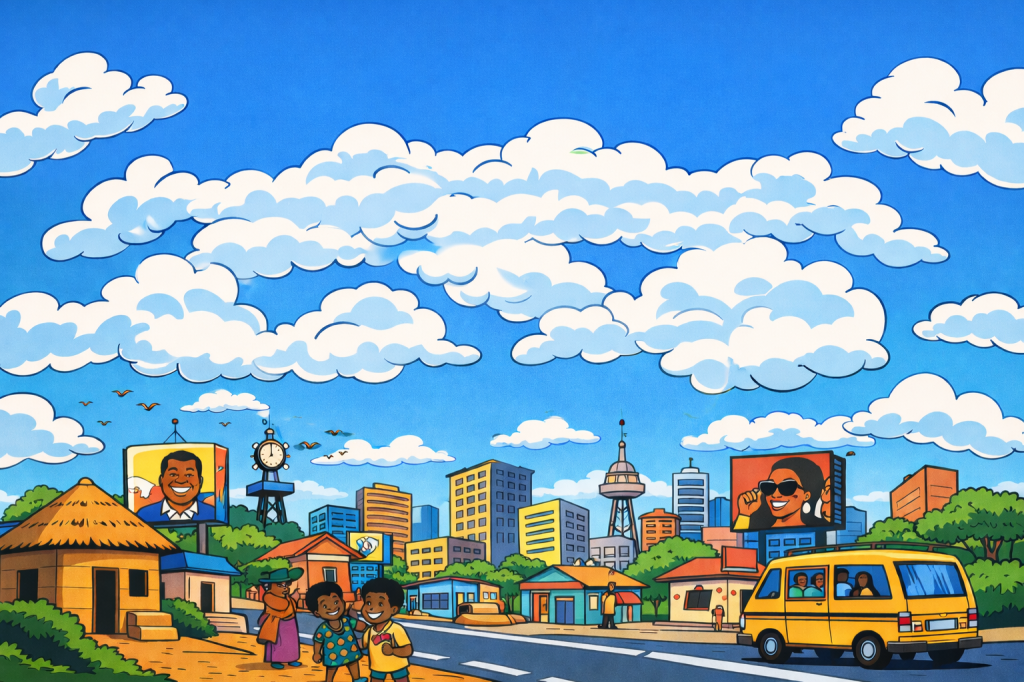
Meme culture in Africa has grown into a vibrant and dynamic form of expression that goes far beyond humor. Across social media platforms, memes have become a lens through which Africans comment on politics, society, identity, and daily life. Unlike in many other regions, African memes often blend humor with sharp social critique, reflecting the realities of a continent where contradictions and absurdities coexist in everyday life.
African memes are deeply rooted in local contexts. They often reference cultural nuances, regional languages, popular music, and local celebrities, making them instantly relatable to those familiar with the culture. What makes them particularly interesting is the way they blend local specificity with global formats. While many memes follow international trends or templates, African creators adapt them to reflect the continent’s unique social, political, and economic landscapes.
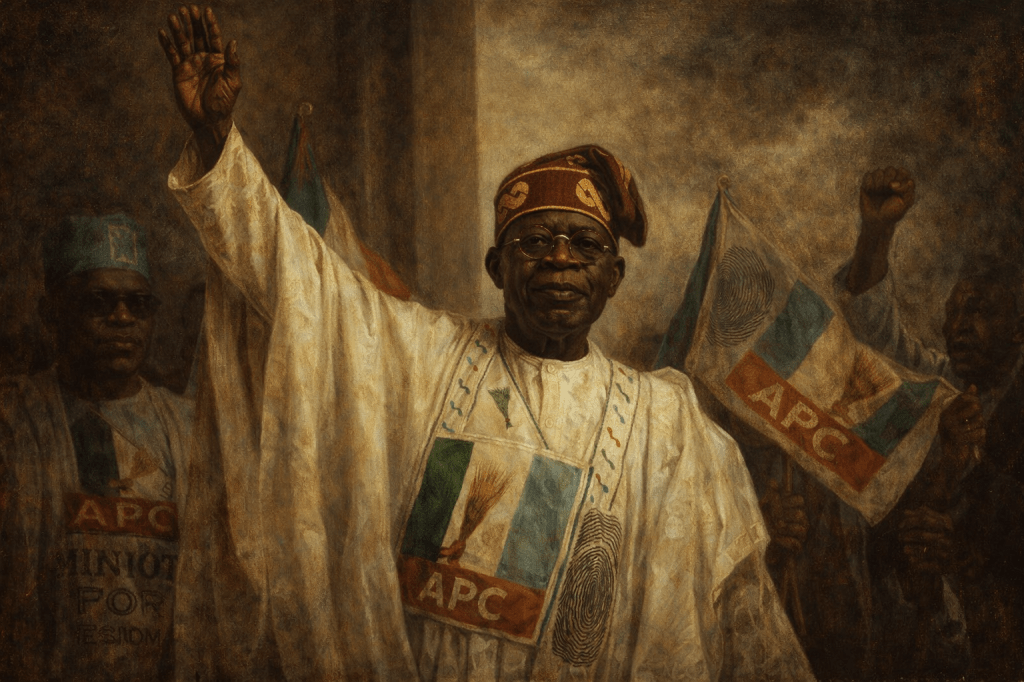
Political satire is a central pillar of African meme culture. In countries where traditional media may be constrained, memes offer a subtle yet powerful way to critique leaders, policies, or societal issues. From clever captions on images of politicians to humorous reinterpretations of official statements, memes allow citizens to express dissent and hold authorities accountable, all while entertaining a wide audience.
Meme culture in Africa also serves as a tool for identity and community-building. Shared jokes, references to common struggles, and playful nods to local life create a sense of belonging among users. They connect people across borders, bridging differences in nationality, language, and social class. Social issues such as unemployment, corruption, education, and urban life are frequently explored, making memes a mirror reflecting the realities of contemporary African society.
At the same time, meme culture is not without its complexities. Some memes can reinforce stereotypes, oversimplify serious issues, or circulate misinformation. The speed and reach of social media mean that humor can sometimes be mistaken for fact, or satire can unintentionally offend. Nevertheless, the creativity, resilience, and ingenuity behind African memes demonstrate their significance as more than mere entertainment—they are a form of social commentary, cultural storytelling, and collective consciousness.
Ultimately, meme culture in Africa highlights the continent’s ability to turn challenges into humor, to find meaning in everyday life, and to craft a shared digital language that resonates across generations. It is a testament to African creativity, adaptability, and the power of laughter in the face of adversity.


 Culture Beyond the Mainstream