
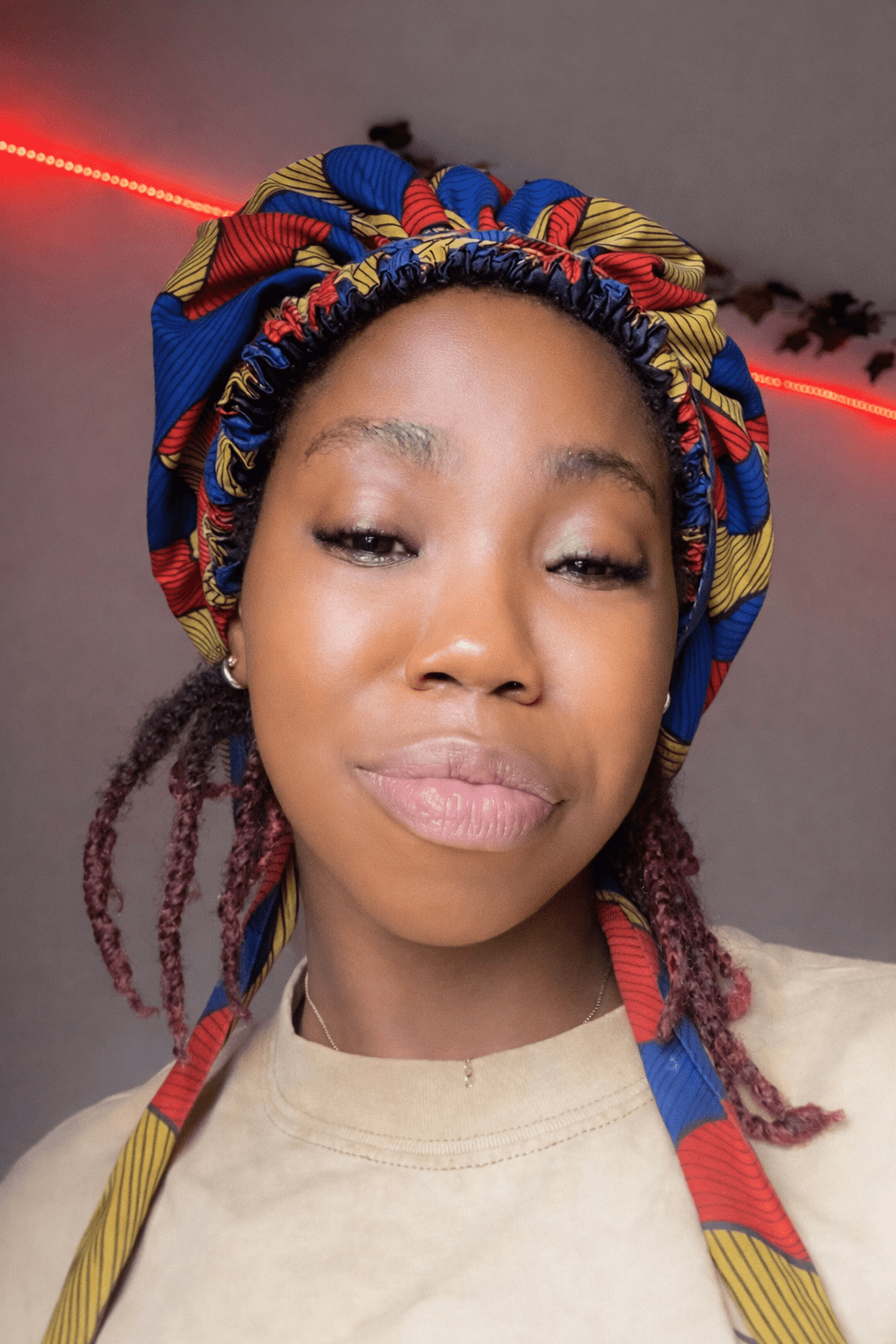
Recently, a Nigerian lady went on social media after stating that any man who wants a relationship with her must be willing to spend money on her before gaining access to her love. According to her, men are attracted to her body, particularly her curves, but fail to acknowledge the effort, discipline, and investment it took to achieve that physique. In her view, if a man desires what she has built, he should be prepared to pay for it. In simple terms, affection and intimacy require financial commitment upfront.
At face value, her stance is not new. Across the world, many people openly exchange companionship, intimacy, or attention for money. It exists. It is an industry. In many countries, including Nigeria, it is illegal or heavily restricted, yet it continues in different forms. The mentality itself, exchanging the body for money, is not the core issue. The deeper concern lies elsewhere.
The real tension emerges when what is essentially a transactional arrangement is presented as a romantic relationship.
There is a growing trend on Nigerian social media where some women adopt advice from self proclaimed relationship influencers who openly frame dating as a form of structured financial extraction. The language used is no longer about building connection, partnership, or shared growth. Instead, it is about what can he provide before who is he. Money is demanded upfront as proof of seriousness, almost as though a service is being advertised and prepaid for.
If someone chooses to monetise their body, attention, or intimacy, that is their decision. But clarity matters. A business transaction should be called a business transaction. When it is packaged as love, confusion begins.
Many men do not object to paying for sex when it is clearly defined as such. The rules are understood. Expectations are clear. Both parties know the arrangement. The problem arises when prostitution is rebranded as a relationship, when financial demands are positioned as emotional entitlement, and sexual companionship is presented as proof of love.
In such cases, the relationship often lasts only as long as the money flows. Once the financial support reduces, so does the affection. This creates resentment. The man feels used. The woman feels entitled. Both feel deceived.
Another issue is that many young women attempting this strategy misunderstand the psychology involved. They apply a transactional mindset while expecting long term relational benefits. They want the financial rewards of a paid arrangement without acknowledging that real relationships require emotional labour, compromise, vulnerability, and consistency.
Ironically, professional sex workers often understand men more deeply than many of the women imitating the lifestyle online. Because their work depends on it, they study male behaviour. They listen. They observe patterns. Many of them offer more than physical intimacy. They provide conversation, ego validation, stress relief, sometimes even practical advice. They understand why men seek escape, what pressures they face, and how to navigate male psychology.
By contrast, some women who demand money in the name of high standards do not invest time in understanding men at all. The focus is primarily on extraction, not exchange.
A sustainable relationship, even one where a man is financially generous, still requires emotional depth. Provision without respect becomes control. Payment without connection becomes maintenance. And when money becomes the primary glue, inflation, unemployment, or hardship can easily dissolve the bond.
Another overlooked consequence is reputational. When transactional expectations dominate dating culture, trust declines. Men become more guarded. Women become more defensive. Genuine connection becomes harder because everyone assumes hidden motives.
There is also the economic illusion. Many women who attempt to apply a pay before love model do not actually secure the wealth they imagine. High value men who can afford transactional relationships often prefer clarity and discretion. Men seeking genuine partnership look elsewhere. The result is a middle ground where neither stable love nor consistent financial gain is achieved.
This conversation is not about shaming anyone’s choices. Adults are free to structure their lives as they wish. The key issue is honesty. If it is business, call it business. If it is love, allow it to grow organically. Mixing the two without transparency creates dysfunction.
Nigeria is already navigating complex economic pressures. Young people are anxious about stability. In such an environment, it is understandable that financial security becomes central to dating conversations. However, turning every romantic interaction into a financial negotiation risks eroding the emotional fabric of relationships entirely.
Love is not free. It requires time, effort, sacrifice, and often financial responsibility. But it is different from a pre priced service.
When transaction replaces connection, both sides eventually feel shortchanged.
Watch the video clip here



 Culture Beyond the Mainstream