
Cultural legitimacy, history and constitutional authority are often discussed as though they are the same thing. They are not. History records what happened. Cultural legitimacy reflects what is accepted and respected in a given time. Constitutional authority defines what is legally recognised in the present structure of governance. Confusing these three leads to unnecessary tension, especially within societies with deep civilisational roots like the Yoruba.
History exists because something happened in the present of its time. What was once current reality later became memory, and memory became documentation. That documentation becomes history. But history does not stand still in meaning. New events happen. New powers emerge. New realities form. Those realities will eventually become the history of tomorrow. History is constantly being added to, but what has already occurred can never be erased.
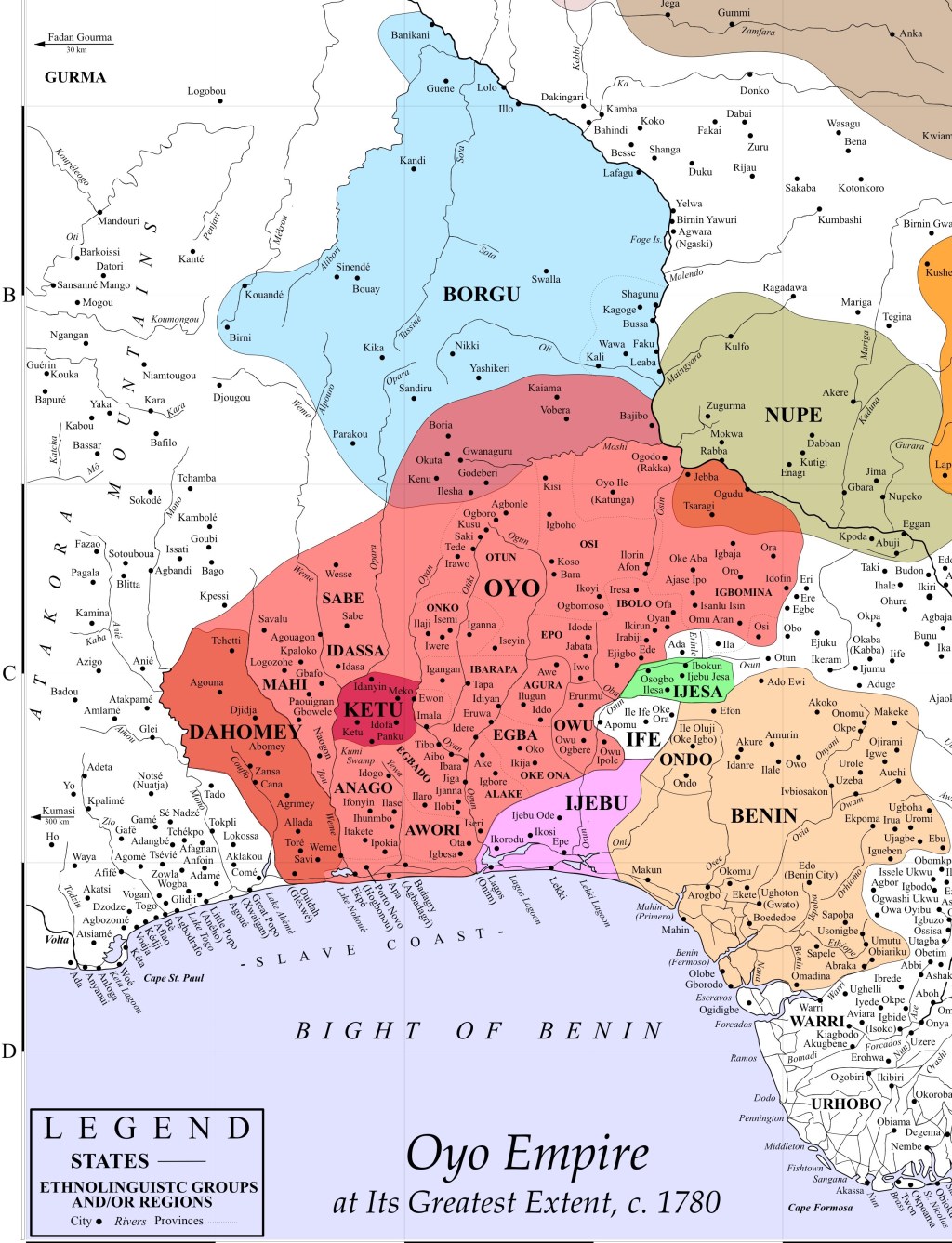
Between Oyo, Ife and other Yoruba groups, the historical relevance of the Oyo Empire can never be deleted. Oyo was not an ordinary kingdom. It was a military powerhouse with administrative sophistication and political influence that stretched across vast territories. Its cavalry strength, political structure and tributary system made it dominant in its era. Oyo’s legitimacy in those days was not begged for. It was deserved. It was enforced. It was recognised.
However, historical greatness does not automatically guarantee present day legitimacy. The fact that Oyo was supreme in ancient times does not mean it holds the same position today. History records past dominance, but legitimacy in the present must be actively sustained.
After the fall of Oyo due to internal instability, structural weaknesses and external pressures, new centres of power emerged. Ibadan rose in the nineteenth century as a formidable military republic led by warrior chiefs. It became so powerful that it rivalled what Oyo once represented. That rise did not erase Oyo’s past. It simply demonstrated that power shifts. Relevance evolves. Authority is not frozen in time.
In contrast, Ile Ife occupies a spiritual and symbolic position within Yorubaland. Its legitimacy in contemporary times has been strengthened not merely by ancient narratives of origin but by modern diplomacy, humility and efforts toward unity. Authority today is often reinforced by collaboration and moral influence rather than conquest. This too is part of history in motion. What is being built now will shape how tomorrow remembers this era.
Constitutional authority introduces another dimension. In modern Nigeria, traditional institutions operate within a democratic framework. The constitution recognises traditional rulers, but sovereignty lies with the state. This means cultural respect and historical prestige do not automatically translate into political authority. Governance today is defined by constitutional law, not ancestral dominance.
To use ancient military power as the sole basis for modern cultural supremacy is historically incomplete. History informs identity, but it does not automatically grant perpetual mandate. Legitimacy must be renewed in every generation.
The deeper lesson is simple. What made Oyo powerful in its time was not nostalgia. It was performance. It was innovation suited to its era. It provided structure, security and expansion. If any group seeks renewed central relevance today, it must do new things that reflect present realities. Economic contribution, intellectual leadership, social cohesion and diplomatic engagement now define influence.
History is permanent in record but dynamic in meaning. What happened in the past will forever remain. The Oyo Empire will always be remembered as a great kingdom. But unless new achievements redefine its contemporary identity, its story will remain celebrated history rather than living authority.
This is not an argument against honoring the past. It is an argument for understanding that cultural legitimacy is not inherited indefinitely without effort. Every generation writes its own chapter. Yesterday’s power is history. Today’s actions determine tomorrow’s memory.
History is made in moments. History changes with moments. What remains constant is that legitimacy must be earned again and again.
 Culture Beyond the Mainstream