
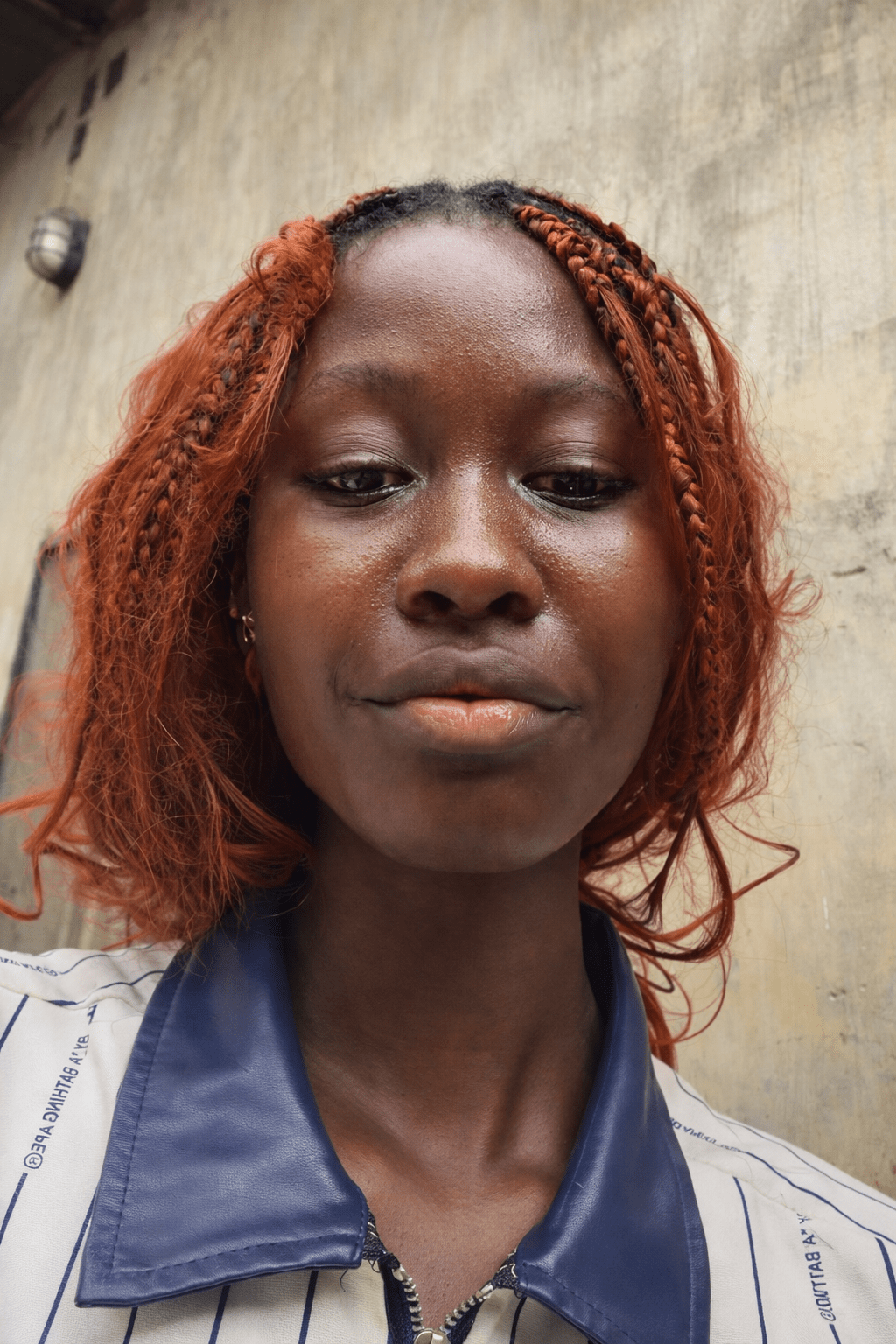
The Nigerian social media space was recently thrown into chaos by a viral rape allegation made by an 18 year old girl named Mirabel. Within hours of her claims surfacing online, emotions ran high. Influencers reposted her story. Activists demanded justice. Many women rallied around her in solidarity, while several men were immediately condemned in the court of public opinion. The speed at which outrage spread reflected a society deeply sensitive to the issue of sexual violence. But as quickly as the story gained traction, cracks began to appear.
Users started noticing inconsistencies in her narration. Timelines did not add up. Certain details shifted with each retelling. Screenshots were questioned. Eventually, under mounting scrutiny, Mirabel confessed that she had fabricated the allegation. The same digital crowd that once amplified her story turned against her, accusing her of lying and manipulating public sympathy.
Her confession sparked a deeper and more uncomfortable conversation. What would motivate an 18 year old to construct such a damaging story? Observers pointed to her background. She is reportedly an orphan and had recently gone through a breakup. Some believe she may have been emotionally unstable, possibly seeking attention, validation, or even revenge against an ex partner. It is not difficult to imagine how a vulnerable young person struggling with abandonment, heartbreak, and mental distress could make reckless decisions. Yet understanding a motive is not the same as excusing an action.
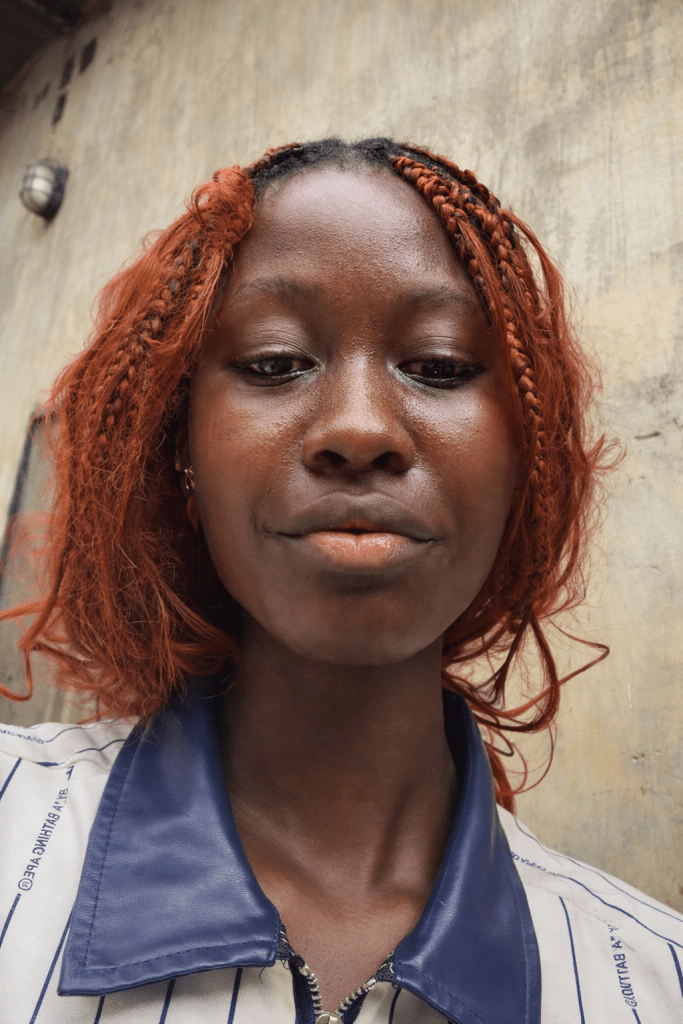
The central question now confronting Nigerians is whether mental health struggles should absolve someone of responsibility for a lie that could have permanently destroyed another person’s life. False rape accusations are not minor infractions. They carry the potential to send innocent men to prison, to stain reputations beyond repair, and to fracture families. Even when an accused person is eventually cleared, the stigma often lingers. In some cases globally, men have spent years or even decades behind bars before accusers later admitted they fabricated their claims. Lost years cannot be restored. Careers collapse. Mental health deteriorates. Some never fully recover from the social humiliation.
Beyond the harm to individuals, false accusations also damage the credibility of genuine victims. Every time a high profile lie is exposed, it strengthens skepticism toward real survivors of sexual assault. Women and men who truly experience rape already face immense barriers in reporting crimes. They fear disbelief, blame, and social backlash. When a fabricated story dominates headlines, it gives ammunition to those who are predisposed to dismiss all allegations as false. This is perhaps the most tragic consequence. A lie meant for attention ends up silencing people who desperately need justice.
In Mirabel’s case, some Nigerians have called for compassion, arguing that she needs psychological support rather than punishment. Others insist that accountability must accompany empathy. Compassion without consequence may send the wrong signal, particularly in a digital culture where clout chasing is rewarded with instant visibility. Social media has created an environment where dramatic stories can generate sympathy, followers, financial donations, and celebrity status overnight. For a vulnerable teenager, the temptation to manufacture a sensational narrative may feel like a shortcut to relevance. But the societal cost is too high.
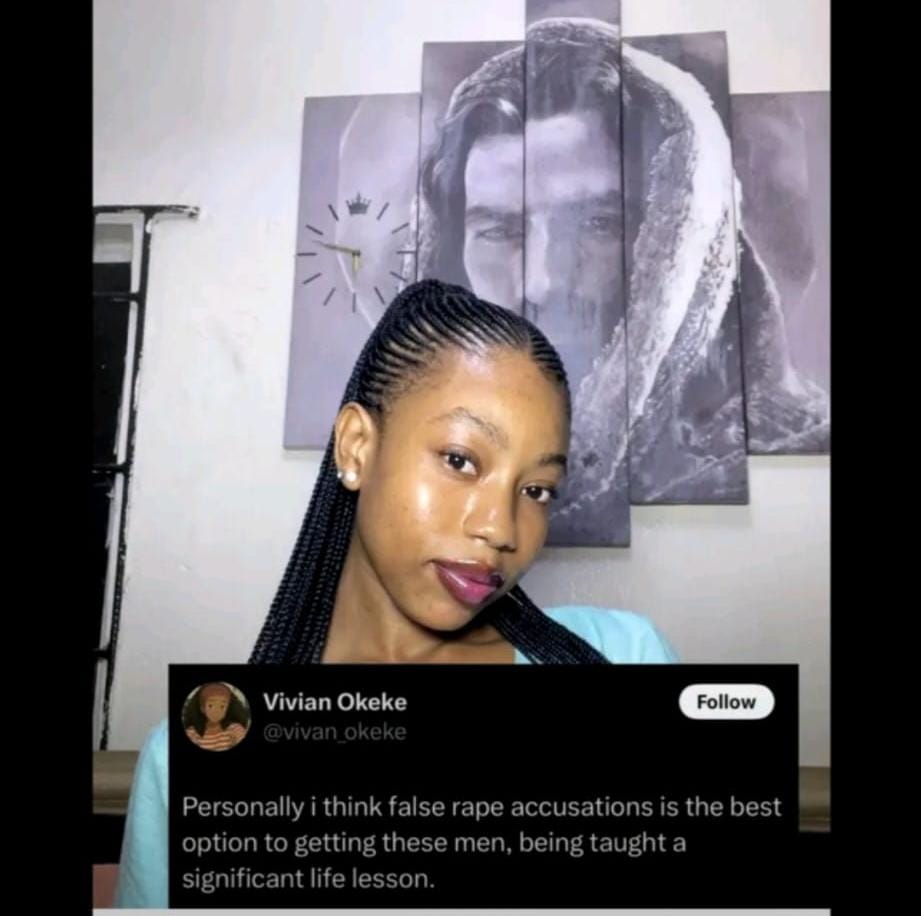
There is also growing concern about a dangerous trend. A viral tweet from another Nigerian woman suggested that falsely accusing men of rape could be a powerful way to teach them a lesson. Even if written in anger, such sentiments reflect a disturbing normalization of weaponizing allegations. Revenge through accusation undermines the seriousness of sexual violence and reduces it to a tool for settling personal grievances. When such ideas circulate unchecked, they plant seeds that can influence impressionable minds.
The reaction from women who initially believed Mirabel has also been telling. Many publicly apologized for attacking men and for making sweeping generalizations. This moment of reflection highlights another issue, the speed at which social media can turn complex allegations into gender wars. In the rush to defend or condemn, nuance is often lost. Justice requires careful investigation, not instant hashtags. When public discourse becomes polarized, it erodes trust between men and women and distracts from the real goal of protecting victims and ensuring fairness.
Calls are now emerging for Nigerian law enforcement agencies to consider clearer consequences for proven false accusations, not only in cases of rape but also theft, assault, and other serious crimes. The argument is that deliberate fabrication should attract penalties strong enough to deter would be offenders. At the same time, any legal reform must be carefully balanced to avoid discouraging legitimate victims from coming forward. The line between an unproven allegation and a maliciously false one must be clearly defined to prevent misuse of such laws.
Mental health cannot be ignored in this conversation. If Mirabel is indeed suffering from emotional trauma, she requires professional help. Being an orphan and navigating young adulthood without stable support structures can leave deep psychological scars. A recent breakup could have intensified feelings of rejection or invisibility. But while these factors may explain her state of mind, they do not erase the harm caused. Society must learn to hold two truths at once. A person can be wounded and still be responsible for the wounds they inflict on others.
This incident should prompt broader reflection about digital responsibility, youth mental health, and the culture of instant outrage. Schools and families must educate young people about the gravity of criminal accusations and the permanent damage they can cause. Social media platforms must also examine how their algorithms amplify unverified claims. Users, too, have a role to play by resisting the urge to share explosive stories before facts are confirmed.
Ultimately, justice must protect both the vulnerable and the innocent. Real victims of sexual assault deserve unwavering support, swift investigations, and fair trials. Innocent individuals deserve protection from malicious allegations and the destruction of their reputations. The challenge for Nigeria is to craft a response that upholds truth, accountability, and compassion simultaneously.
Mirabel’s story is not just about one teenager’s lie. It is a cautionary tale about the power of narrative in the digital age. It is about how quickly empathy can be mobilized and how easily it can be betrayed. It is about the fragile balance between believing victims and ensuring due process. And it is about a society grappling with how to protect justice without losing its humanity.




 Culture Beyond the Mainstream