
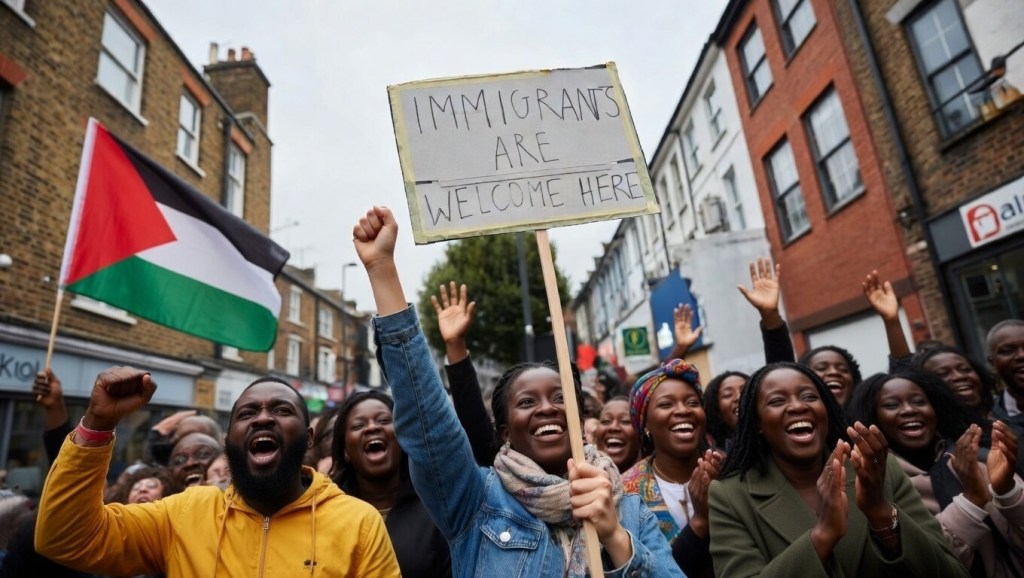
For many African immigrants, the journey to the United Kingdom once represented a powerful dream. It was the promise of stability, opportunity, and a functioning system where effort could translate into progress. Over the past decade, thousands of Africans have moved to the UK to study, work, and build new lives. But after several years of living abroad, a quiet shift has begun to take place in the minds of many within this diaspora. The excitement that once came with migration has slowly been replaced by a different kind of conversation. Increasingly, the conversation is about leaving.
The UK still offers many advantages, but for a growing number of African immigrants it no longer feels like the permanent destination it once seemed to be. Instead, it has become a temporary stop, a chapter in a longer journey rather than the final place to call home. Many migrants who once imagined settling permanently now speak openly about their exit plans. Some talk about returning to Africa after saving enough money. Others are considering moving to countries they believe offer better long term prospects. In private conversations and community spaces, people speak about counting the years, sometimes even the days, until they are able to leave.
Part of this mindset is rooted in the reality of immigration instability. Living abroad often means living with a constant awareness of paperwork, visa rules, and changing policies. For many African migrants, their sense of belonging is tied to immigration status that can sometimes feel uncertain. Policies can change, requirements can become stricter, and the long path toward permanent residency can feel exhausting. The pressure of maintaining legal status while trying to build a stable life creates a feeling that home is always conditional. Even after several years of living and working in the country, many migrants still feel as though their place is not entirely secure.
Alongside this uncertainty is the subtle but persistent experience of racial tension. The UK is a diverse country, yet many Africans report that race continues to shape their experiences in everyday life. From the workplace to housing and social spaces, there are moments that remind people that they are still outsiders. Some migrants describe being overlooked for opportunities or feeling that they have to work twice as hard to be seen in the same light as others. These experiences may not always be dramatic or openly hostile, but their cumulative effect can wear down a person’s sense of belonging.
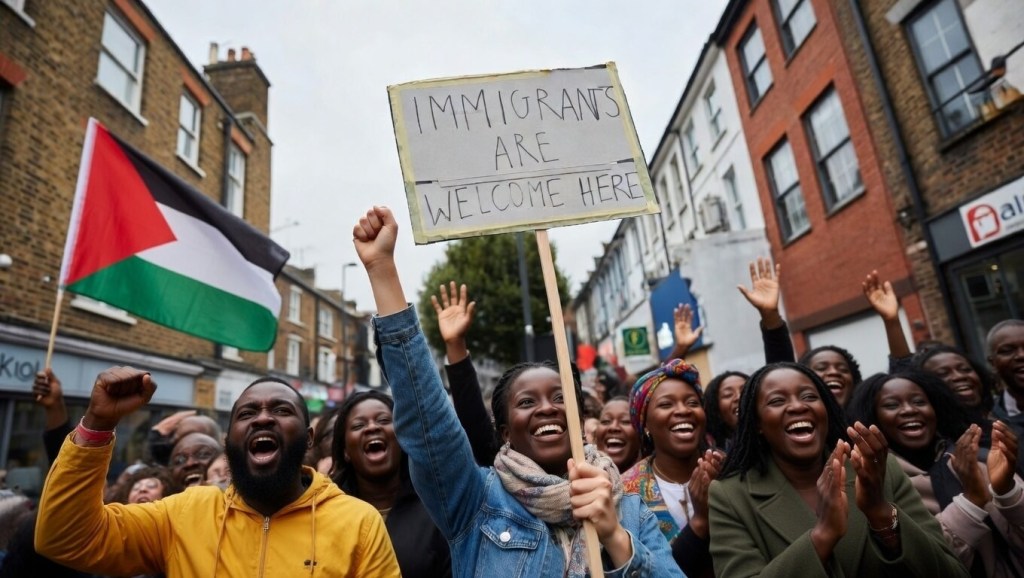
The issue of community also plays a quiet but powerful role in shaping the immigrant experience. Many Africans arrive in the UK expecting to find a vibrant community that replaces the social fabric they left behind. Instead, they often encounter a more individualistic society where building deep social connections takes time. People work long hours, commute across cities, and return home exhausted. Social life becomes limited, and friendships can feel temporary. For migrants who come from cultures where community life is central, this isolation can be deeply unsettling.
One of the most painful aspects of living abroad is the distance from family. Birthdays, weddings, funerals, naming ceremonies, and other important milestones happen thousands of miles away. Phone calls and video chats cannot fully replace the experience of being present. Over time, migrants begin to feel the weight of these missed moments. Parents grow older, younger siblings grow up, and entire chapters of family life unfold without them. Many African immigrants speak about the quiet guilt that comes from being absent during these important moments.
Financial realities also shape the immigrant mindset. While the UK provides opportunities, the high cost of living often erodes the financial advantages migrants once expected. Rent, transportation, energy bills, and taxes consume much of the income people work so hard to earn. The result is a feeling that life becomes a constant cycle of work and survival. For some migrants, the dream of economic progress feels slower and more difficult than anticipated.
These personal experiences exist within a broader global conversation about immigration. In the United States, immigration debates intensified during the presidency of Donald Trump. His administration introduced several controversial policies aimed at restricting immigration, including travel bans affecting certain countries and increased enforcement against undocumented migrants. These actions created fear and uncertainty among immigrant communities across America. Although the UK operates under a different system, the global political climate around migration influences how immigrants everywhere think about their long term future.
For African migrants observing developments in different countries, the message can feel clear. Immigration policies can shift rapidly depending on political leadership. A country that feels welcoming today may adopt stricter policies tomorrow. This awareness has encouraged many migrants to think strategically about their future. Instead of assuming that their current country will always remain the best place to stay, they are increasingly willing to consider alternatives.
Within African diaspora circles, discussions about exit plans have become common. Some people are exploring opportunities in other parts of Europe where residency pathways may be simpler. Others are looking toward the Middle East or North America for professional opportunities. There are also those who are planning something different altogether. After years of living abroad, they are preparing to return to Africa with new skills, international experience, and financial resources to start businesses or invest in their home countries.
This shift does not mean that African immigrants regret coming to the UK. For many, the experience has still been valuable. Living abroad exposes people to new systems, new ways of thinking, and professional opportunities that might not have been available at home. The UK has helped many migrants grow in ways they could not have imagined. Yet growth does not always translate into permanent attachment.
For some migrants, the UK remains a place where they built important parts of their lives but never fully felt at home. The weather, the social structure, the distance from family, and the persistent sense of being an outsider all contribute to this feeling. Over time, the emotional connection that turns a place into home simply never develops.
As a result, many African immigrants now approach life in the UK with a different perspective. Instead of imagining a lifetime in the country, they see it as a stage in a larger life plan. They work, they save, they gain experience, and they quietly prepare for what comes next. The conversations happening within diaspora communities reflect this shift. People discuss timelines, investments back home, and potential relocation plans.
In many ways, the immigrant dream has evolved. It is no longer only about arriving in a Western country and settling there permanently. For many Africans abroad, the dream has become more complex and more global. Home may ultimately be somewhere else entirely.
And so across the UK, among African migrants who once arrived with suitcases full of hope, a new mindset is quietly taking shape. It is the mindset of people who have learned from their years abroad and are now thinking about the next chapter of their lives. For some, that chapter will still be written in the UK. But for many others, the countdown has already begun.


 Culture Beyond the Mainstream