
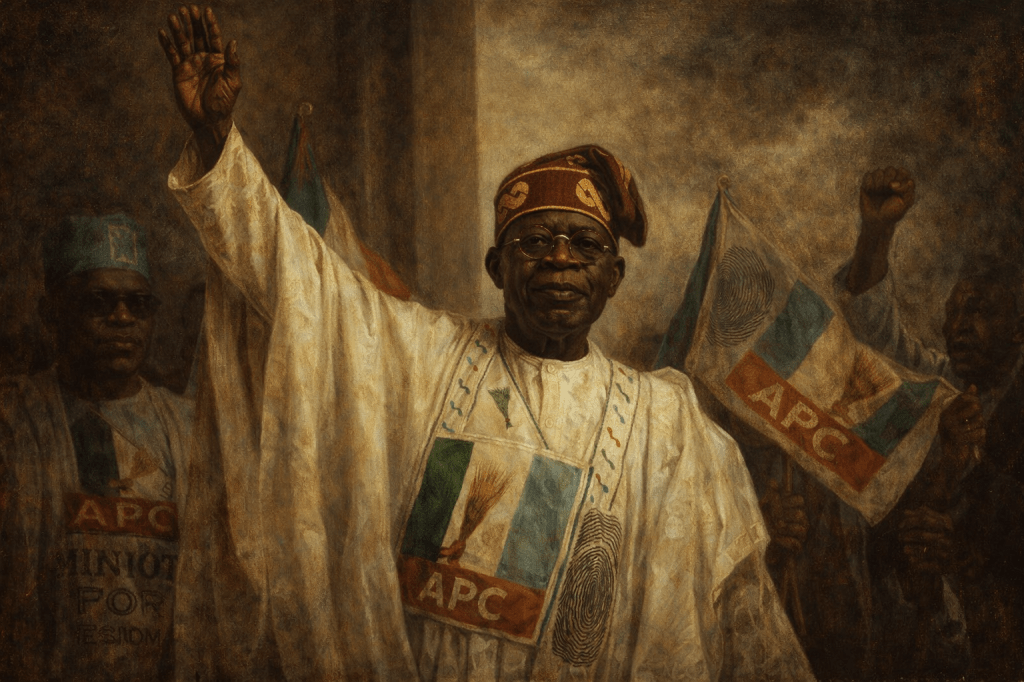
Nigeria is already feeling the heat of the 2027 elections, even though the vote itself is still some distance away. Across conversations in homes, markets, campuses, and especially online spaces, politics has once again taken center stage. People are paying closer attention to leadership, questioning decisions, and debating what kind of future they want for the country. It is not just politicians preparing for the next cycle, ordinary citizens are also becoming more vocal and more observant.
One of the strongest currents in these discussions is trust, or rather the lack of it. Many Nigerians are openly expressing doubts about whether those in power truly represent their interests. Past experiences have left a sense of disappointment, and this has made people more cautious. Promises are now met with scrutiny rather than excitement. Citizens are asking harder questions and expecting clearer answers, showing that blind loyalty is gradually being replaced with critical thinking.
Closely tied to this is the growing demand for accountability. People are no longer satisfied with vague explanations or delayed responses from leaders. There is a stronger push for transparency in how decisions are made and how public funds are used. Social media has amplified this shift, giving citizens the ability to call out inconsistencies and demand responsibility in real time. This has created an environment where public officials are under constant watch, whether they welcome it or not.
Another noticeable change is the increasing involvement of young people in political conversations. For a long time, many youths felt disconnected from governance, but that is beginning to change. There is a rising sense that their voices matter and that their participation can influence outcomes. From online campaigns to grassroots discussions, young Nigerians are showing more interest in shaping the direction of the country. They are not just reacting to events but actively engaging with ideas and proposing alternatives.
What makes this moment different is the combination of awareness and urgency. Economic challenges, security concerns, and everyday struggles have made politics feel more personal than ever. People are not just discussing policies in abstract terms, they are linking them directly to their daily lives. This has made political engagement less about party loyalty and more about survival and progress.
As 2027 approaches, the atmosphere is likely to become even more charged. Conversations will grow louder, expectations will rise, and the pressure on leaders will intensify. Whether this leads to meaningful change or a repetition of old patterns remains to be seen. What is clear, however, is that Nigerians are paying attention in a way that cannot easily be ignored.

 Culture Beyond the Mainstream