
-
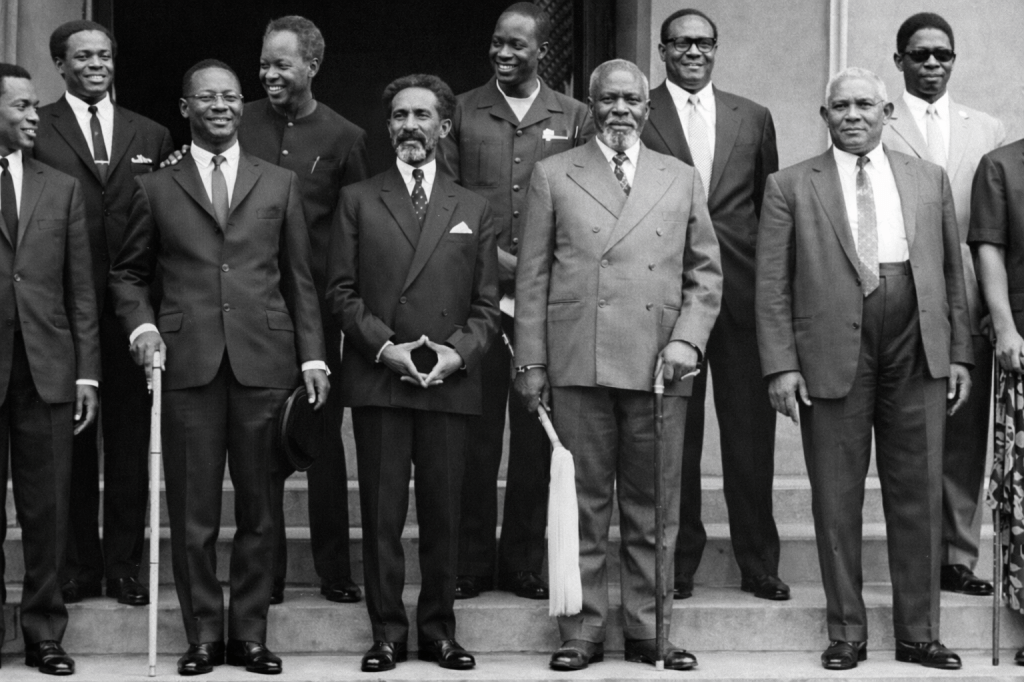
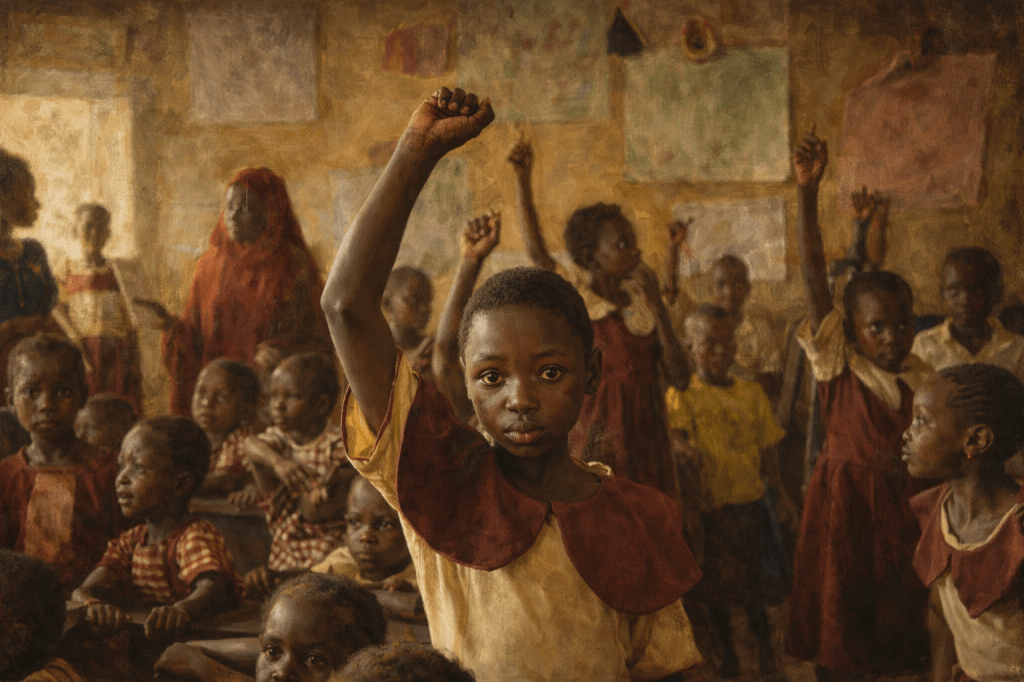
Nigeria’s Future Depends on Conscious Leadership
Across Nigeria today, many communities are facing serious social challenges. Rising unemployment among young people, declining trust in institutions, weakening community bonds, poor access to quality education, and growing economic pressure have created a sense of frustration among citizens. In moments like this, many people hope that a powerful leader… Listen ⇢

-
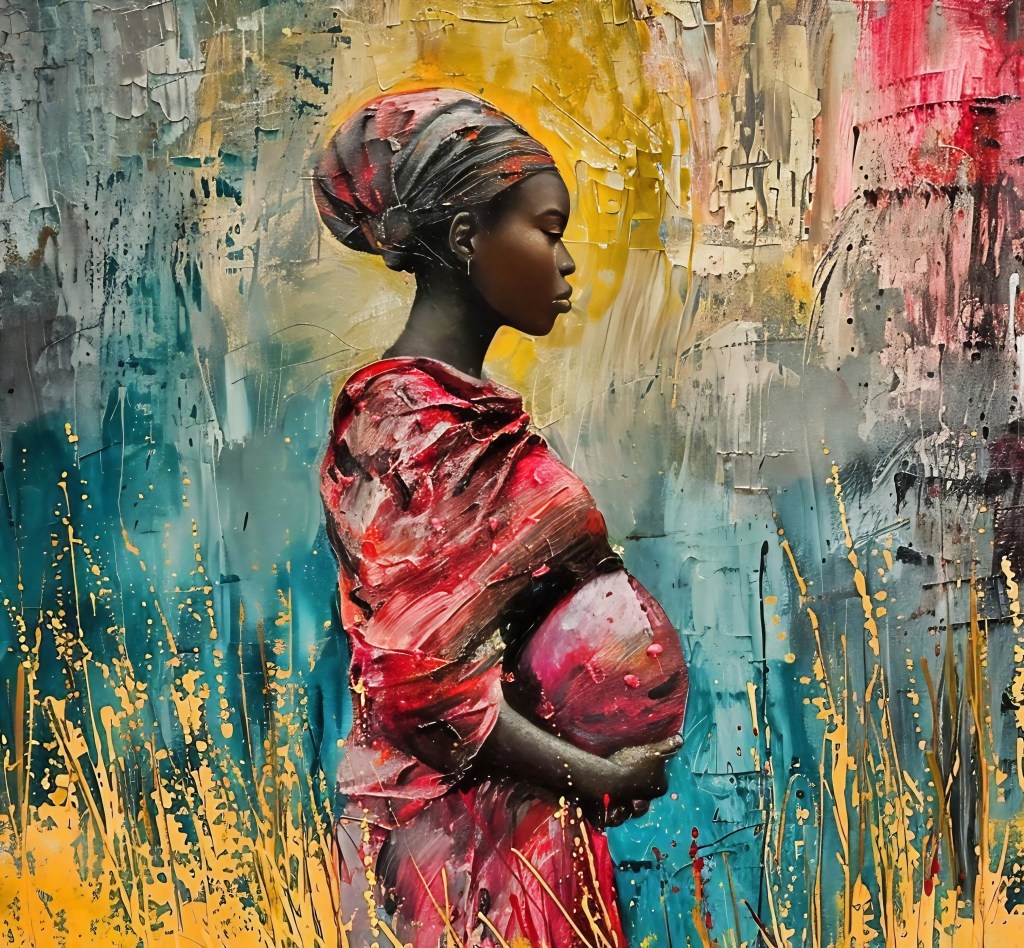
Capturing the Essence of African Life: A Review of Tosin Iwayemi’s Artworks
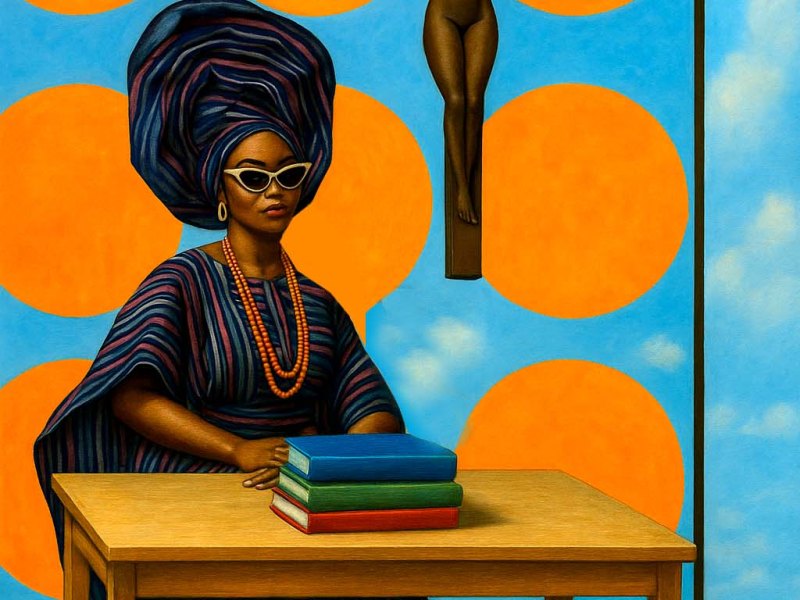
Tosin Iwayemi weaves beautiful narratives of African life with his brush strokes. His collection of digital artworks transports viewers into the heart of African settings, offering glimpses into the silent struggles, joys, and vibrant cultures that define the continent. Through a meticulous blend of color, form, and narrative, Iwayemi’s paintings… Listen ⇢
-
“The Lasting Legacy of Afobaje: Celebrating Yoruba Culture Through Digital Storytelling”
Afobaje, whose true name was Oluwagbenga Afobaje Korede, was a well-known Yoruba YouTuber and entrepreneur known for his bright and entertaining material that honoured Yoruba culture. Born on June 15, 1985, in Lagos, Nigeria, Afobaje rose to prominence with his lifestyle vlogs, which combined humour, narrative, and ethnic pride. He… Listen ⇢

-
Bridging Cultures Through Rhythmic Reverie: A Review of Froilan Suazo Garcia’s Garifuna Dance
Froilan Suazo Garcia, a beacon, that illuminates the vibrant tapestry of the Garifuna heritage through his unparalleled dedication to dance and music. With a fervent spirit ignited by a profound love for his roots, Garcia embarked on a creative odyssey driven by a fervent desire for independence and a poignant… Listen ⇢

-
Exploring the Emotional Tapestry: A Review of Kayode Onimole’s Illustrations
Kayode Onimole illustrations are filled with emotions dancing upon canvas and stories leaping from pages. Kayode Onimole is a luminary whose artistic prowess knows no bounds. With a portfolio adorned by several illustrious works and the creation of his own comic universe, Onimole’s artistic journey is a testament to his… Listen ⇢

-
Unveiling Everyday Beauty: A Review of Femi Morakinyo’s Artistic Mastery
Femi Morakinyo’s art is an exploration of the familiar, rendered with a distinctive twist that both captivates and mesmerizes the viewer. Stepping into the realm of Morakinyo’s creations is akin to entering a world where the ordinary is transformed into the extraordinary, where the mundane is imbued with a profound… Listen ⇢
-
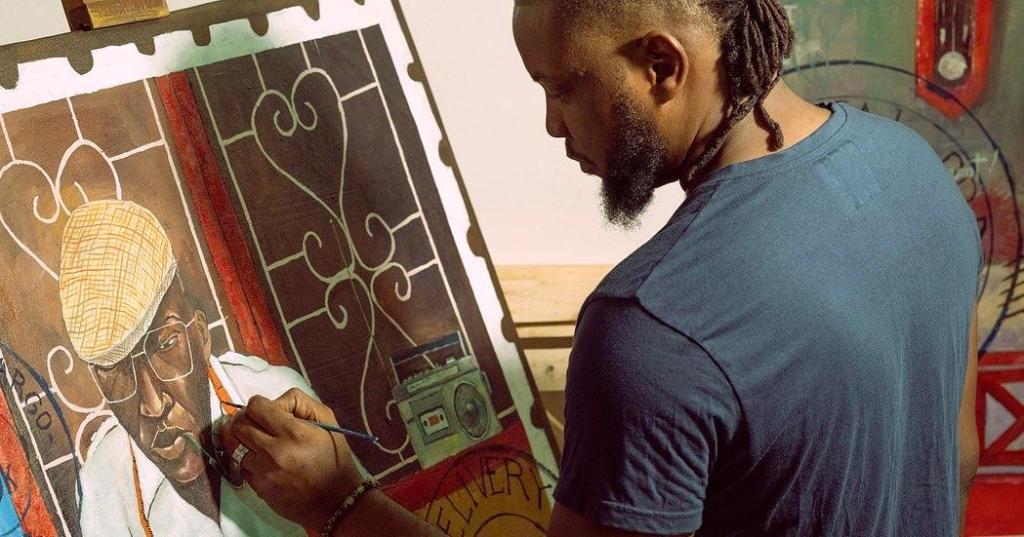
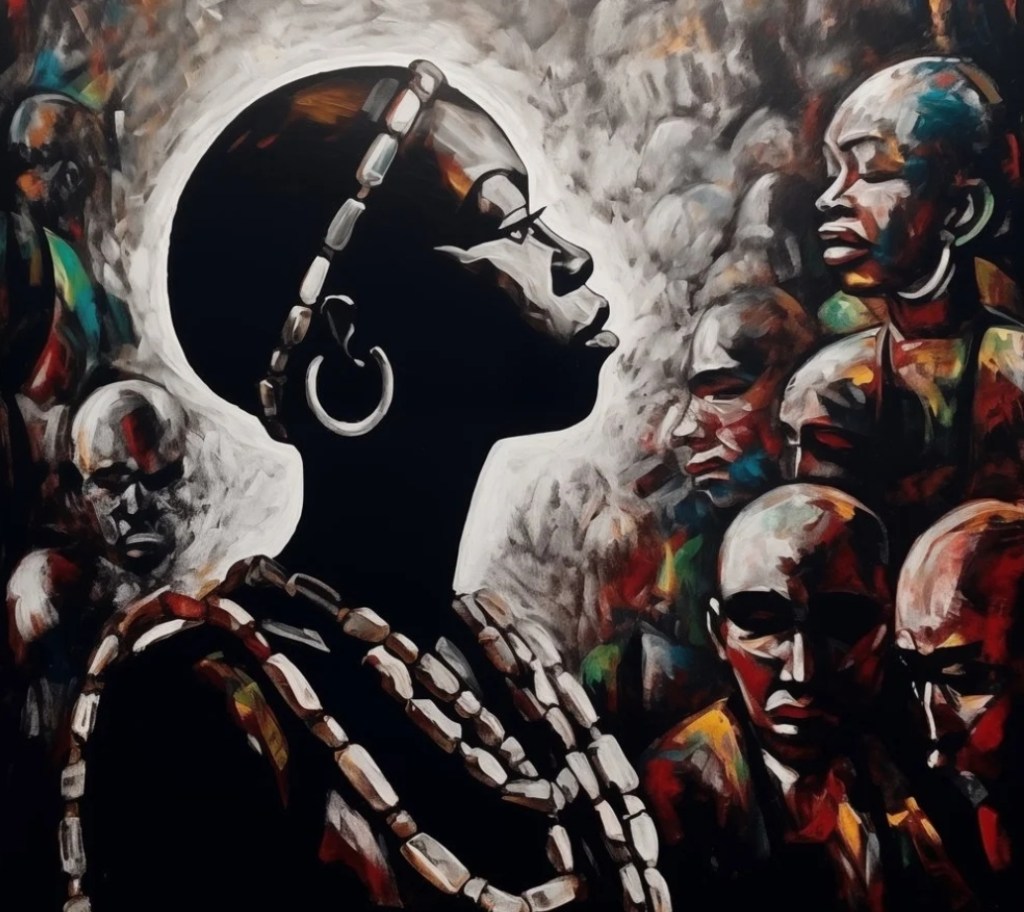
Art Review: Tosin Iwayemi profound insights into the African culture
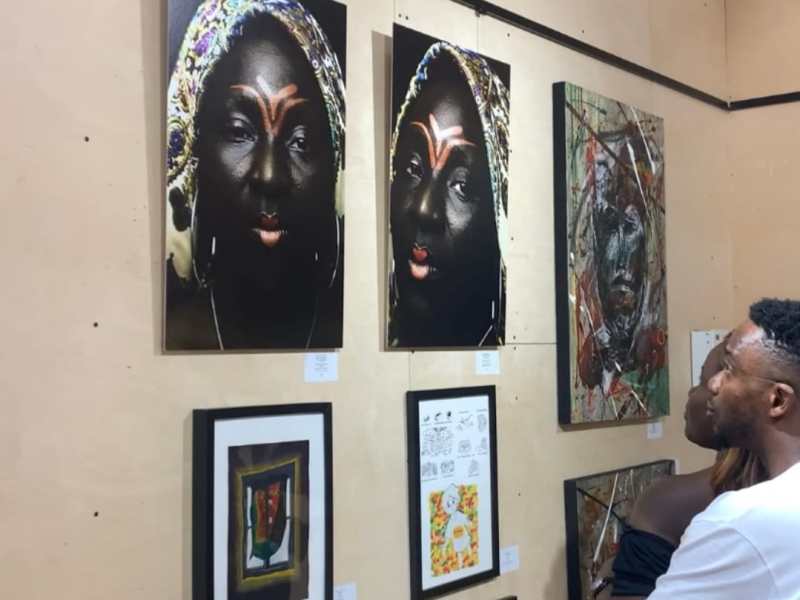
Tosin Iwayemi’s artworks delve into the rich tapestry of African features and beauty, as seen in pieces like “Samburu,” “Goddess,” “Face of the God,” and “Kanuri.” Each painting offers a unique perspective on the portrayal of African women and the cultural heritage of various African tribes.”Samburu” presents a captivating depiction… Listen ⇢
-
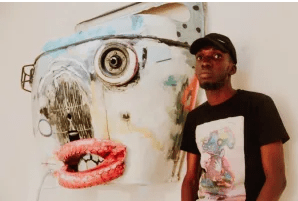
“Transcending Boundaries: Sejiro Avoseh Grotesque Exploration of Migration and Identity”
Sejroh Avoseh presents a provocative collection that challenges conventional notions of identity, belonging, and the complexities of migration. The artist works unfolds like a surreal odyssey through the turbulent psyche of displaced individuals grappling with the harsh realities of adapting to new environments. At first glance, the artworks strike the viewer… Listen ⇢
-
The Celestial Church of Christ Nigeria: Worship as an Art Form
The Celestial Church of Christ, Nigeria, is a vibrant and distinctive religious denomination that has captivated the hearts and minds of millions of Nigerians and individuals around the world. While it is primarily a Christian denomination, what sets it apart is its unique mode of worship, which can be seen… Listen ⇢