Nigeria’s history is not merely a record of events; it is a living archive of ideas, struggles, and innovations that continue to shape the nation’s political and social reality. Long before colonial rule, Nigerian societies developed complex systems of governance, trade, conflict resolution, and cultural expression. These systems—rooted in community, accountability, and adaptability, offer valuable lessons for understanding today’s political dynamics and for shaping a more stable and prosperous future.
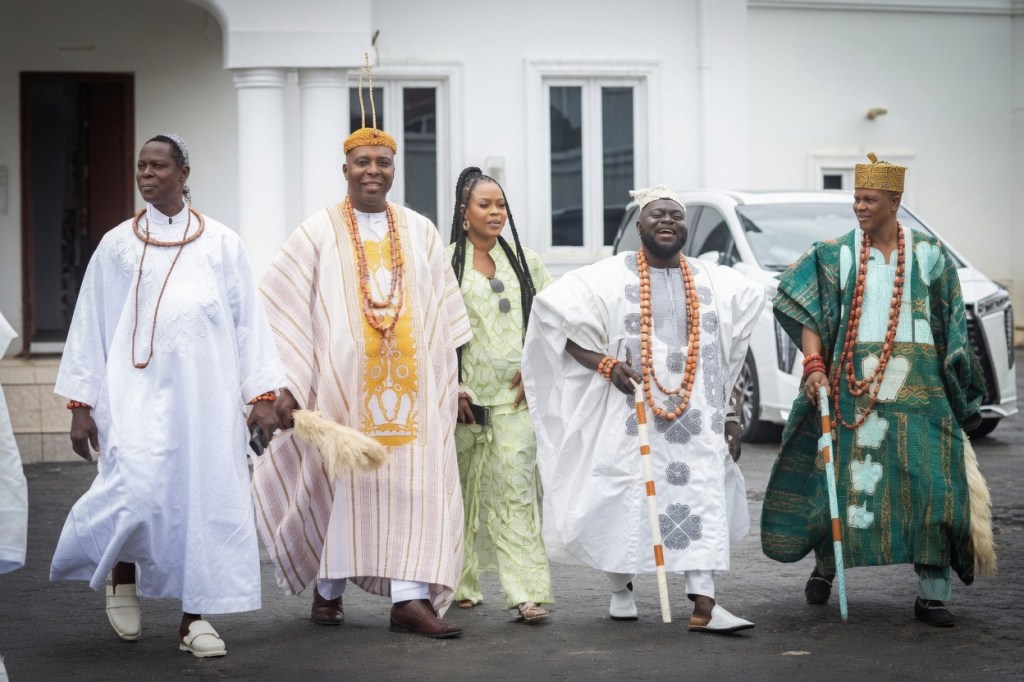
Across regions, precolonial political structures demonstrated a deep understanding of balance and participation. The Oyo Empire’s checks on royal power through councils, and the Benin Kingdom’s highly organized administrative and artistic institutions all reflected societies that valued order, responsibility, and collective identity. These models remind us that governance in Nigeria was never accidental; it evolved from lived experience and local realities.
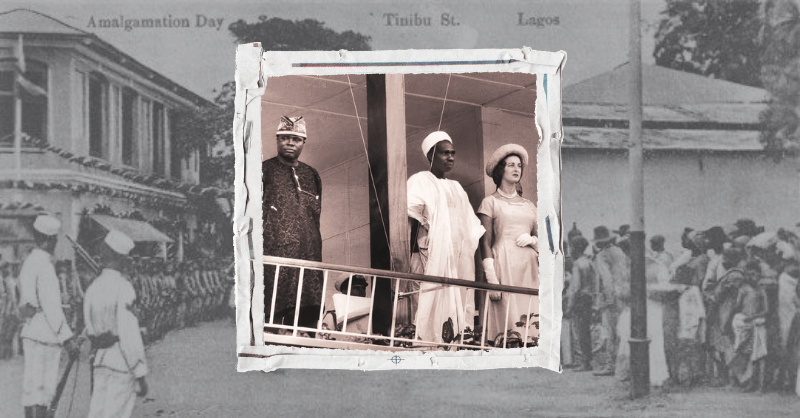
Colonial rule disrupted many of these systems, centralizing power and redefining authority in ways that often weakened indigenous political institutions. The legacies of this disruption are still visible today, in questions of federalism, representation, and trust in leadership. Yet, history also shows that Nigerians have always adapted. From anti-colonial resistance movements to post-independence struggles for democracy, the nation’s political evolution has been shaped by resilience and an enduring desire for self-determination.
Culturally, Nigeria’s creative expressions, music, art, language, and ritual, have remained powerful tools for commentary and resistance. They serve not only as records of the past but also as instruments for reimagining the future. Innovation in Nigeria has often emerged at the intersection of tradition and modernity, where inherited knowledge meets new realities. This same principle applies to governance: sustainable progress lies in blending indigenous wisdom with contemporary political thought.
Learning from history requires more than remembrance; it demands intentional application. By revisiting how past societies organized leadership, resolved conflict, and valued communal responsibility, Nigerians can reframe current political conversations around accountability, inclusion, and shared purpose. The future of the nation depends not on abandoning the past, but on understanding it deeply enough to transform it into a foundation for progress.
In this sense, Nigeria’s greatest strength lies in its memory. The lessons of history, when properly studied and applied offer a roadmap toward a more just, innovative, and unified nation.