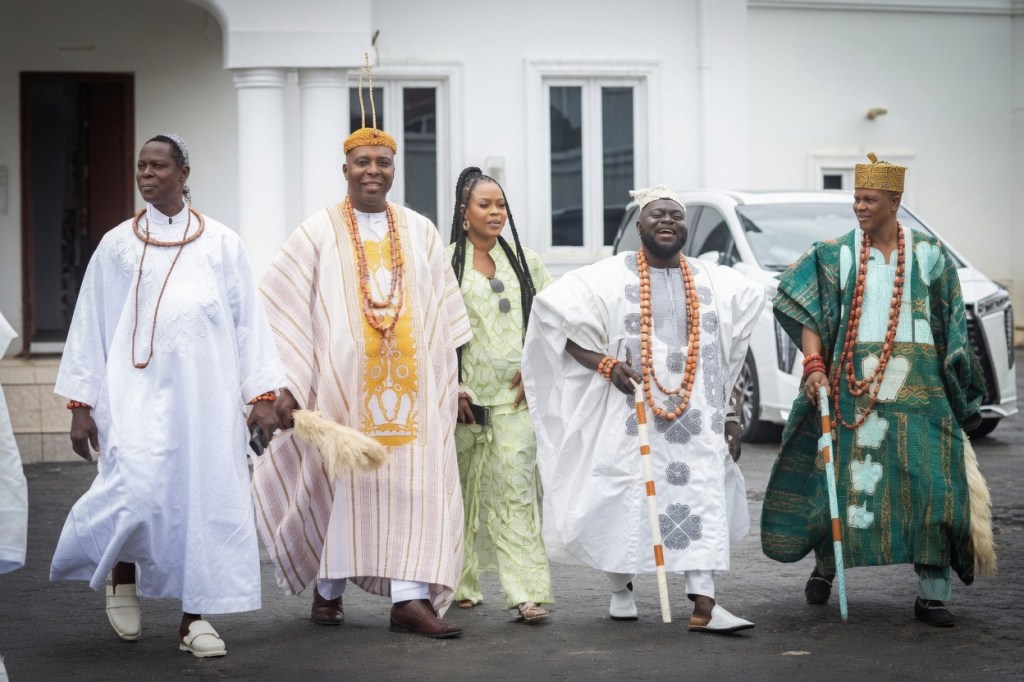
In the ancient kingdom of Owo, warfare was not only a test of strength but a deeply cultural expression of identity, skill, and spiritual grounding. A warrior of Owo was more than a fighter — he was a living symbol of the kingdom’s resilience, discipline, and technological ingenuity. His appearance on the battlefield carried meaning, authority, and ancestral memory.
At the center of this warrior’s presence was Ewu Uren, a form of iron mail introduced during the reign of Ologho Kodo (1106–1156). This protective armour represented a major advancement in indigenous military technology. Crafted from interlinked metal components, Ewu Uren was designed to absorb and deflect the impact of weapons such as blades, spears, and projectiles. Beyond its physical protection, it symbolised preparedness, status, and the spiritual fortification of the wearer. To wear Ewu Uren was to be marked as a frontline warrior entrusted with the safety of the kingdom.
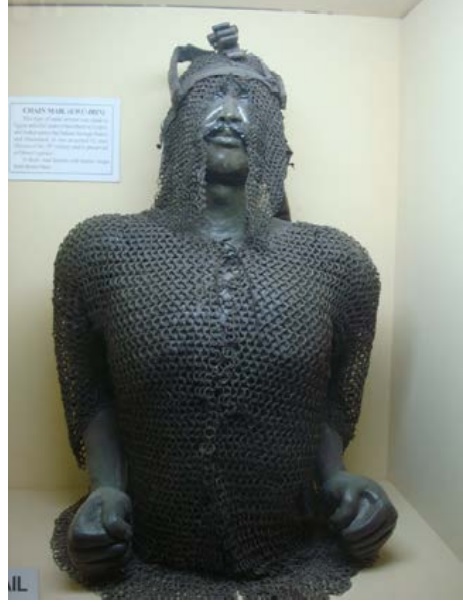
A war protective body armour introduced by Ologho Kodo [1106 – 1156]
Complementing the armour were the weapons that defined the Owo fighting style. The Ape, a distinct bladed implement, served both ceremonial and combat purposes, often carried as a mark of rank and readiness. The ada, a curved sword known across Yorùbá warfare traditions, was favoured for close combat, valued for its balance and cutting precision. Alongside it was the betebete, a heavy striking weapon used to break through defenses and may have added versatility in both attack and intimidation on the battlefield.

Together, these tools formed a complete martial identity aside from the Iyasin Omalore which exist mainly for ceremonial purpose. An Owo warrior did not merely fight; he performed strength, discipline, and cultural continuity. His attire and weapons communicated his role long before combat began, projecting power, preparedness, and ancestral authority.
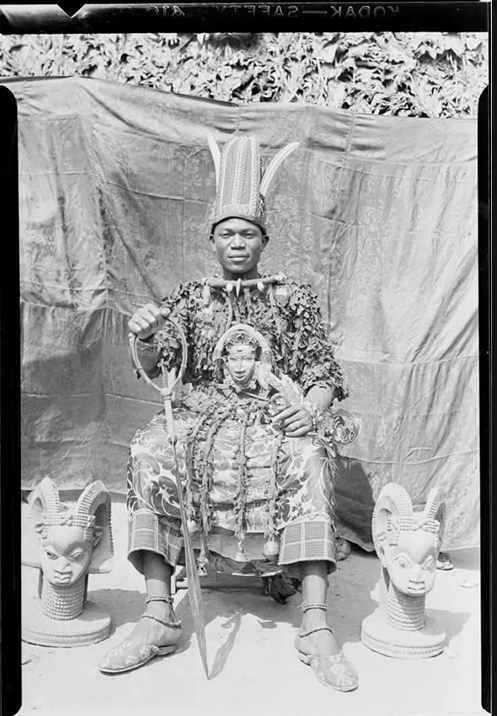
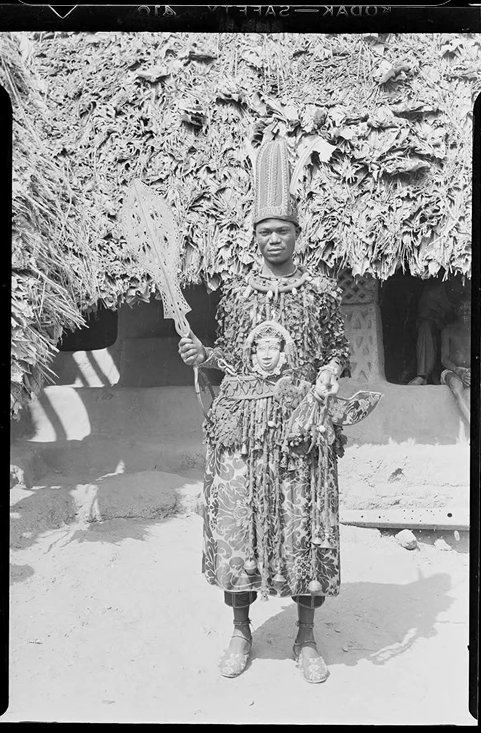
In today’s discourse, the image of the ancient Owo warrior stands as a reminder that African military aesthetics were never primitive or accidental. They were sophisticated systems shaped by environment, belief, and innovation. The warrior of Owo embodied an early fusion of technology, symbolism, and identity, an expression of African ingenuity that continues to inspire modern reinterpretations of heritage, strength, and self-definition.