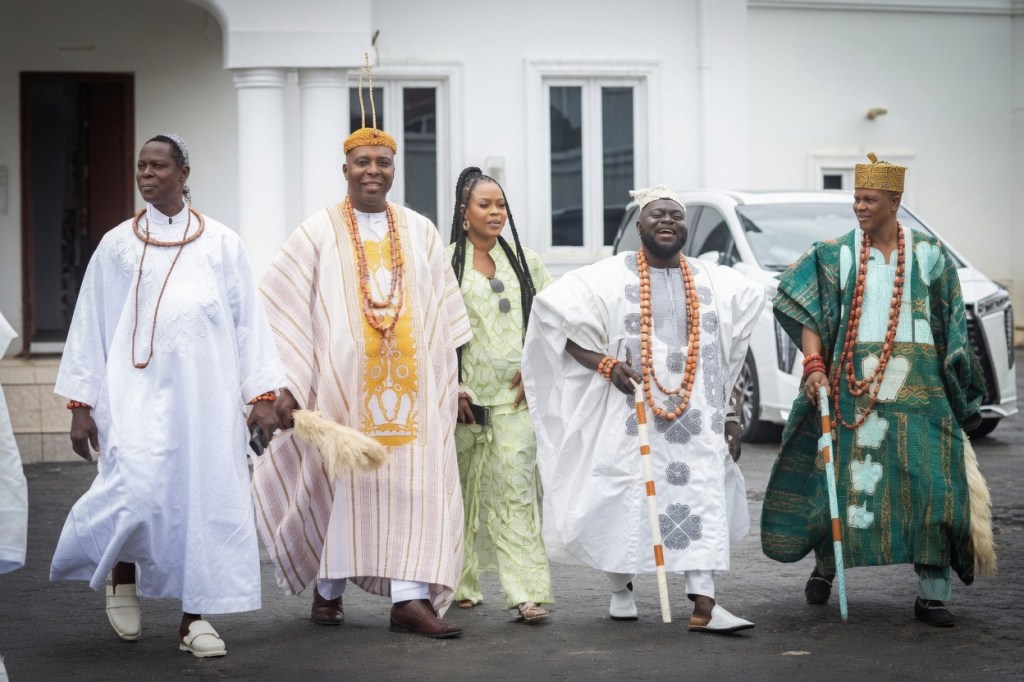
When we speak of the tapestry of our entire existence, we invoke an image of countless threads woven together to create a single, intricate masterpiece. No thread exists in isolation. Each contributes to a larger pattern, carrying its own colour, texture, and history while remaining connected to every other strand. This metaphor offers a profound way of understanding the relationships among the peoples of Nigeria, particularly the Yoruba, Edo, and the many ethnic groups that have emerged over centuries with distinct identities of their own.
Today, Nigeria is home to hundreds of ethnic nationalities, each with its own language, traditions, historical narratives, and cultural expressions. These identities are real, meaningful, and deeply cherished. Yet beneath the visible patterns of modern ethnic distinctions lies a far older story of movement, interaction, and shared ancestry. Long before colonial borders and contemporary definitions of ethnicity, the lands that now make up Nigeria were connected through networks of trade, migration, diplomacy, intermarriage, and cultural exchange. Kingdoms rose and fell, peoples moved in search of opportunity or security, and communities interacted in ways that left lasting imprints on one another. The result was not a collection of isolated populations but a dynamic human landscape where ideas, customs, and bloodlines flowed across regions.
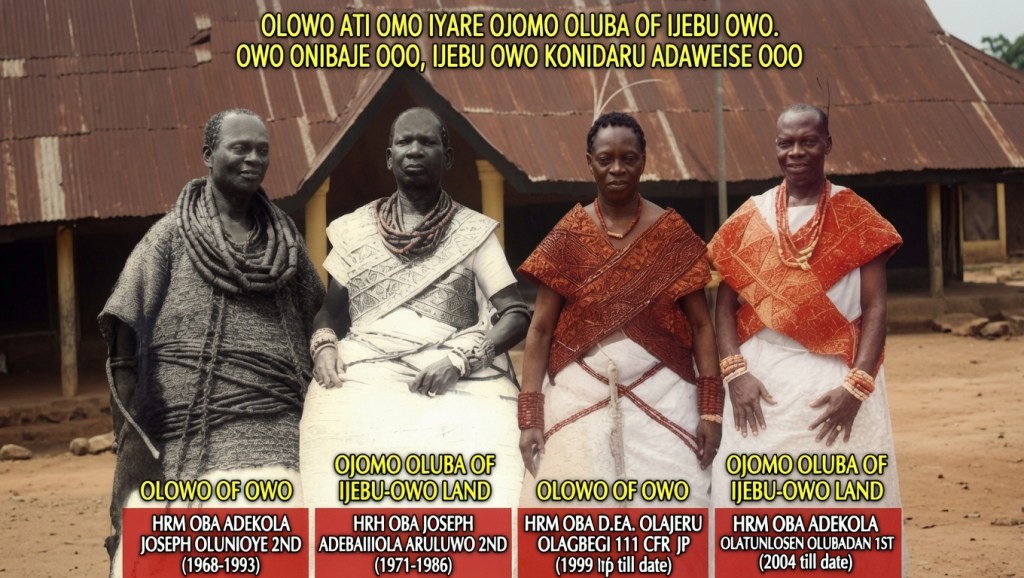
The histories of the Yoruba and Edo peoples illustrate this reality particularly well. Both possess rich civilizations that have shaped the cultural and political development of West Africa. Their interactions, whether through commerce, royal alliances, migration, or periods of rivalry, contributed to the development of surrounding communities. Across generations, people travelled, settled, married, and established new societies. Some communities retained strong cultural ties to their origins, while others gradually developed distinct identities that reflected both inherited traditions and local experiences.
This process is neither unique nor unusual. Throughout human history, new identities have often emerged from older foundations. A community may trace elements of its ancestry to Yoruba-speaking ancestors, Edo-speaking ancestors, or a combination of several different groups, while simultaneously developing a unique language, culture, and sense of self. Identity evolves. It is not frozen in time.
The existence of shared ancestry does not diminish the uniqueness of any people. Rather, it enriches our understanding of who we are. A tapestry does not become less beautiful because its threads are interconnected. In fact, its beauty lies precisely in that interconnectedness. The distinct patterns visible on its surface are possible only because of the countless threads woven beneath.
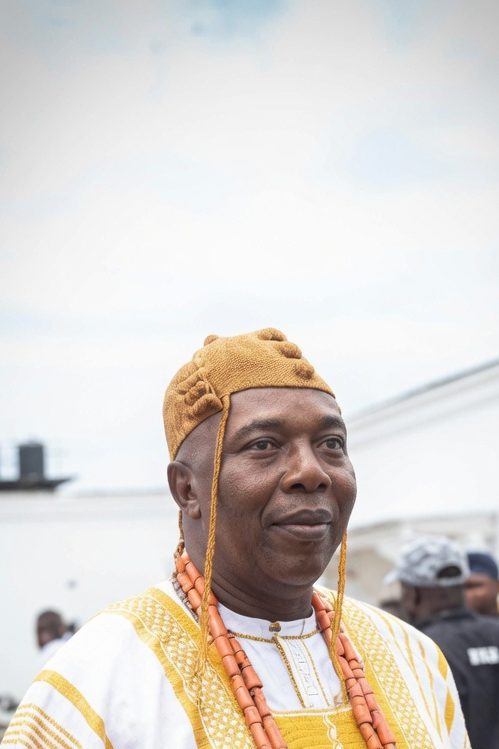
Modern discussions about ancestry often focus on genetics, and rightly so. Over centuries of interaction, many Nigerians likely inherited DNA from multiple ethnic groups. However, DNA tells only part of the story. Human identity is also shaped by language, memory, culture, values, and the communities to which people belong. An individual may carry ancestral connections to several peoples while identifying fully with the culture in which they were raised.
Understanding this complexity encourages a broader perspective on history. It reminds us that the boundaries separating ethnic groups today are often more fluid than they appear. The ancestors of many communities interacted long before modern classifications existed. They traded in the same markets, worshipped in neighbouring regions, fought common enemies, forged alliances, and built families together. Their stories became intertwined, creating a shared historical inheritance that continues to shape the present.
The tapestry of our entire existence, therefore, is not a story of separate threads competing for prominence. It is a story of connection. The Yoruba, the Edo, and the many other peoples of Nigeria each contribute a unique pattern to the national fabric. Yet beneath those patterns lie deeper threads that remind us of a common human journey—one marked by movement, adaptation, resilience, and exchange.
To appreciate the tapestry fully is to recognize both the individuality of each thread and the greater design they create together. Our differences give the tapestry its richness, but our connections are what hold it together. In understanding this, we gain not only a deeper appreciation of history but also a greater sense of the shared heritage that binds us all.