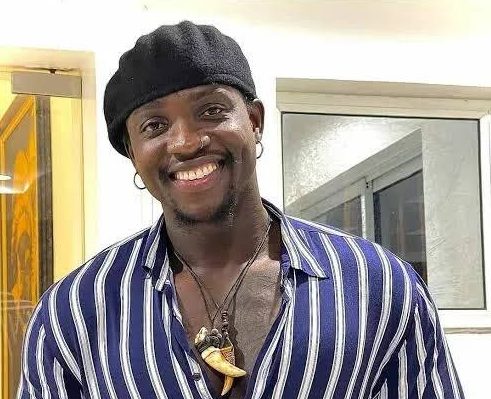
For years, Martins Vincent Otse, popularly known as VDM (VeryDarkMan), built a reputation as a fearless voice for ordinary Nigerians. He became known for confronting social injustice, calling out perceived bullying by the wealthy and influential, and speaking up for people who felt powerless in the face of social and economic inequality.
It was this image that earned him a loyal following. To many Nigerians, VDM represented courage, accountability, and a willingness to challenge powerful interests. But in recent months, a growing number of observers have begun asking a difficult question: Has VDM changed?
The concern is not necessarily that he has become more political. Every citizen has a right to express political opinions. Rather, the concern is whether the man who built his brand around accountability is now facing accountability questions of his own.
One issue that has raised eyebrows is the controversy surrounding the circulation of a fake audio allegedly linked to President Bola Tinubu. Reports indicate that investigations led to the arrest of an individual identified as Ifechukwu Dennis, who has been publicly associated with VDM’s Ratel movement. While there is currently no public evidence directly linking VDM to the creation of the audio, many Nigerians find the timing difficult to ignore.
The questions only intensified when VDM, shortly after returning from China, appeared at the forefront of anti-government protests, including “Tinubu Must Go” demonstrations. Critics argue that the sequence of events naturally raises questions about whether there are deeper political interests at play behind the scenes.
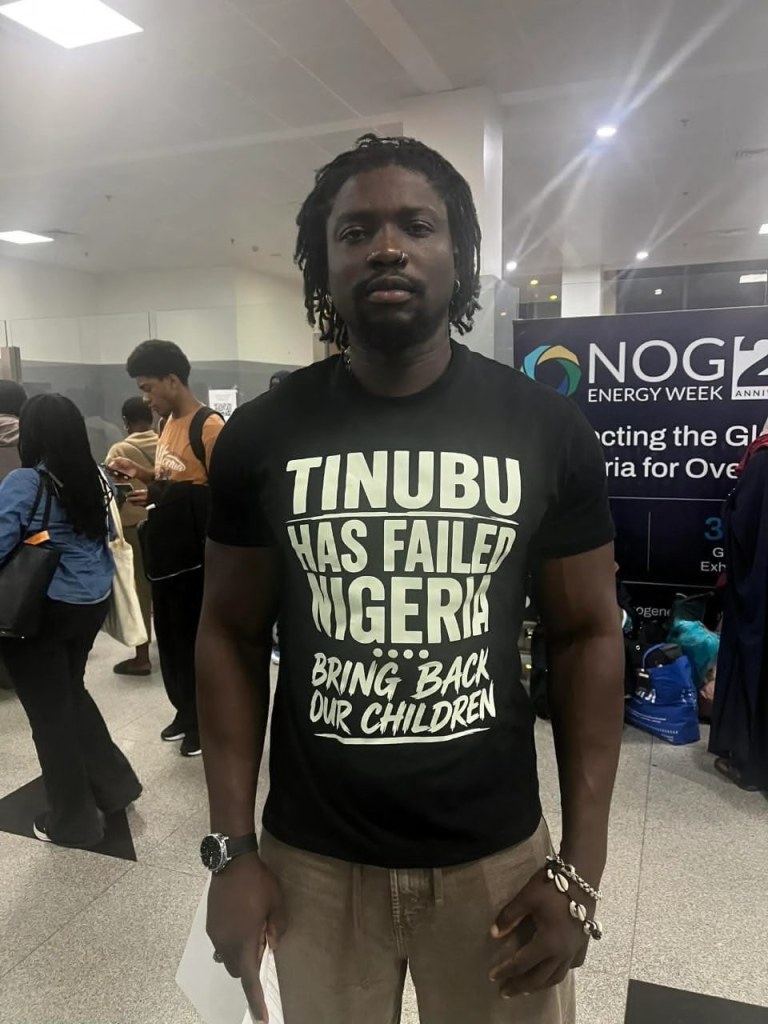
Is this merely coincidence? Or is VDM gradually becoming involved in political battles far beyond the activism that first made him popular?
These questions have gained traction because they come at a time when VDM’s credibility is already under scrutiny.
Many supporters are still seeking clearer explanations regarding funds associated with his NGO. In 2024, VDM publicly stated that over ₦180 million had allegedly been stolen from the organization’s account. Since then, discussions and reports surrounding the movement of funds have generated fresh debate. Critics argue that the public deserves a more comprehensive explanation regarding how funds were managed and where certain amounts were allocated.
For a man who often demands transparency from others, many believe the same standard should apply to him.
The situation became even more controversial following VDM’s public disputes with businessman BLord and activist Omoyele Sowore. To some observers, these conflicts marked a turning point in how they viewed him.
VDM built his influence by positioning himself as someone who stood against oppression and abuse of power. Yet critics argue that some of his actions and statements during these disputes appeared inconsistent with those principles.
Particularly troubling to some was the perception that personal rivalry began to overshadow the pursuit of justice. For people who once saw VDM as a symbol of fairness, this raised an uncomfortable question: Has the fight become more about power than principle?
Another controversy that generated debate was the claim surrounding the alleged rescue of a baby reportedly separated from its mother at birth. Critics questioned the lack of publicly available details and argued that significant claims require substantial evidence. Supporters, on the other hand, insist that not all sensitive information can be disclosed publicly.
Regardless of where one stands, the incident contributed to a growing perception problem for a man whose reputation depends heavily on public trust.
Perhaps one of the most frequently cited examples by critics is VDM’s changing relationship with controversial musician Naira Marley. At one point, VDM appeared uncompromising in his criticism, insisting that no amount of money or influence could alter his position.
Yet later images and videos showing the two together led many supporters to question whether his stance had changed. Critics saw this as inconsistency. Supporters viewed it as growth and reconciliation.
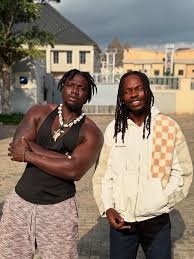
The reality may lie somewhere in between.
What cannot be denied is that many Nigerians who once defended VDM without hesitation are now asking harder questions.
The issue is no longer whether VDM has done good work. Few would deny that he has helped expose wrongdoing, amplified the voices of ordinary citizens, and challenged individuals who many believed were beyond criticism.
The issue is whether the standards he demands from others are standards he is willing to apply to himself.
As VDM continues to move deeper into political conversations, public scrutiny will only increase. That is the price of influence.
Nigerians deserve clarity. They deserve transparency. And they deserve honest answers to legitimate questions.
Whether VDM is simply evolving as a public figure, making mistakes like every human being, or becoming something entirely different from what many originally believed him to be remains a matter of public debate.
Until those questions are addressed convincingly, the conversation surrounding VDM’s integrity is unlikely to disappear.
And perhaps that is the biggest question of all: Is VDM still the voice of the people, or has he become something else entirely?