-
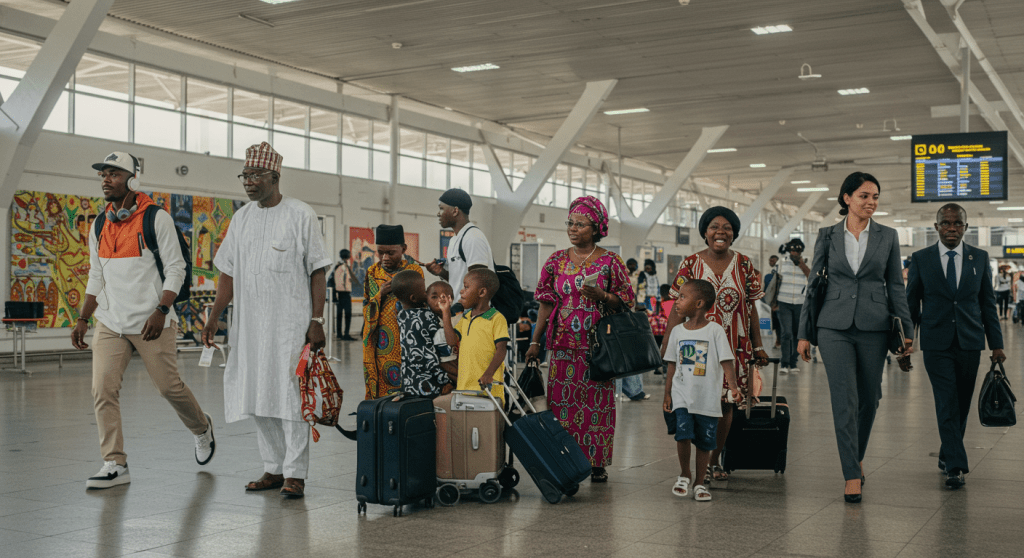
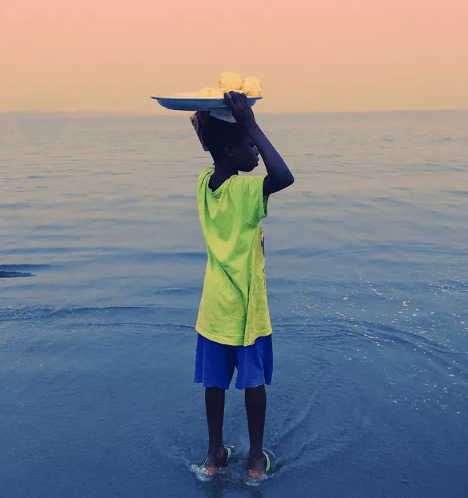
The rise of pan-African digital identity and what “African” means online vs offline
The rise of Pan-African digital identity has become one of the defining features of the 21st-century African online presence. Across social media platforms, African and African-descended users are increasingly claiming a shared identity, celebrating African culture, history, and aesthetics in ways that blur geographic and national boundaries. The meaning of… Listen ⇢
-
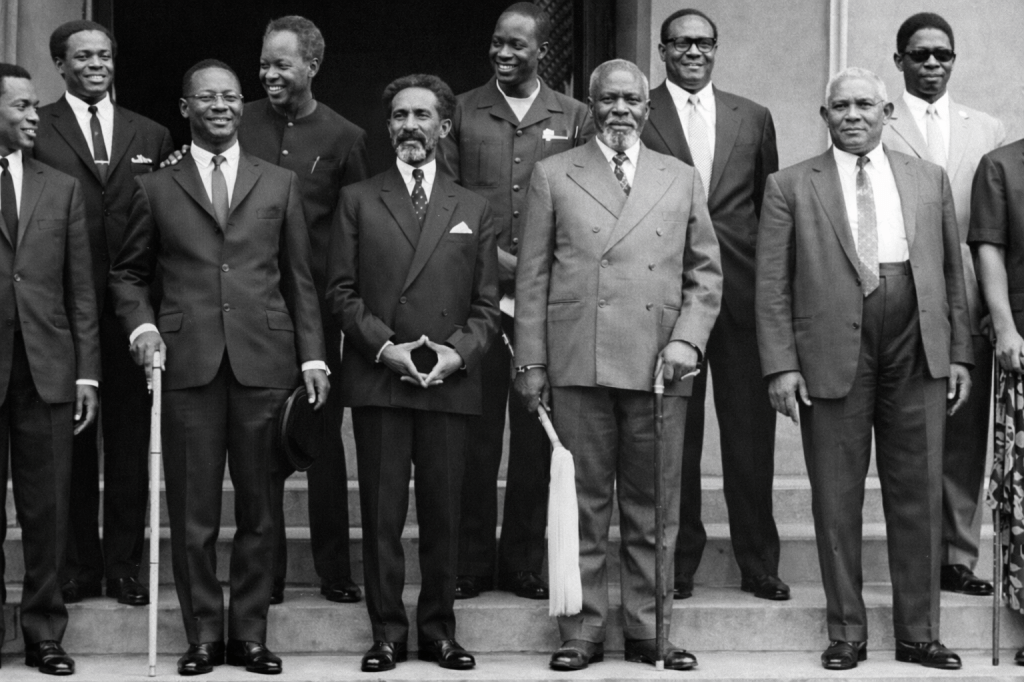
The Social Currency of Not Rocking the Boat
In an ideal world, competence would naturally lead to advancement. Skill, intelligence, and the ability to deliver results would be enough to move people forward in organizations. Yet in many workplaces, the opposite happens. The people who are most capable often remain overlooked, while those who are less competent rise… Listen ⇢

-
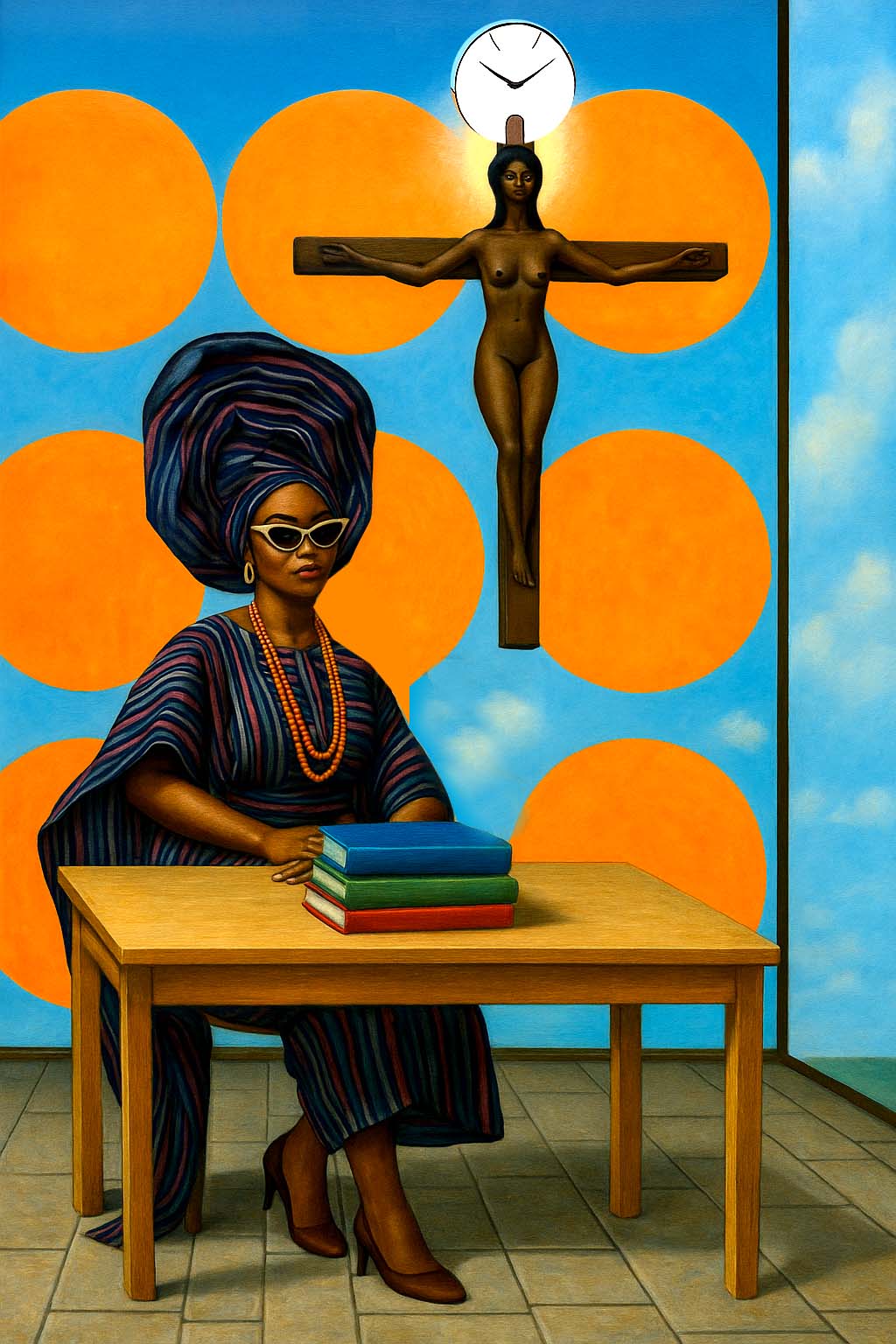
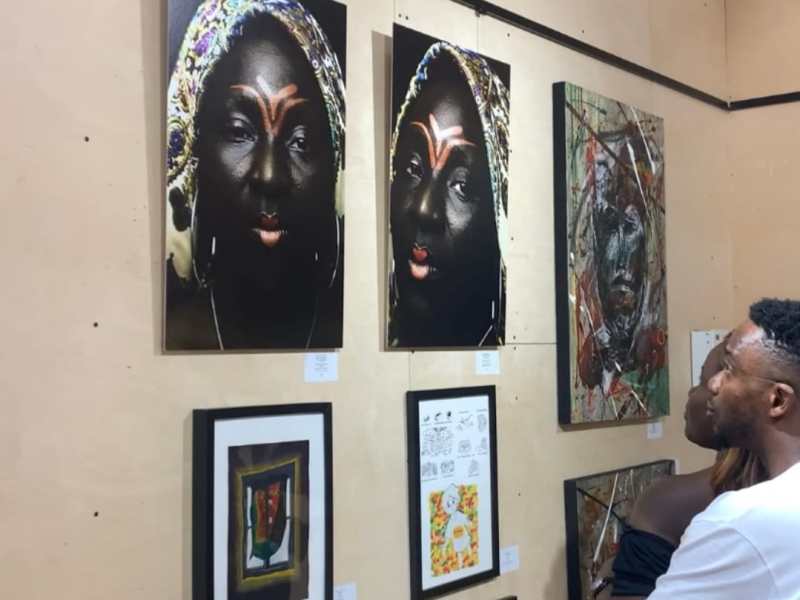
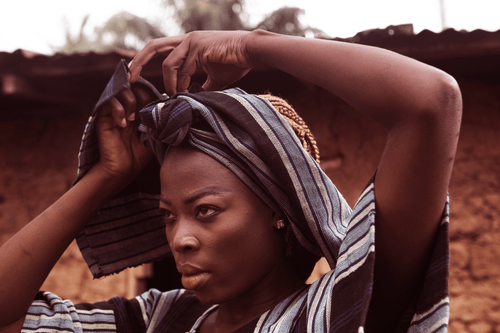
Cloth, Culture, and Code: Symbolism in Traditional African Textiles
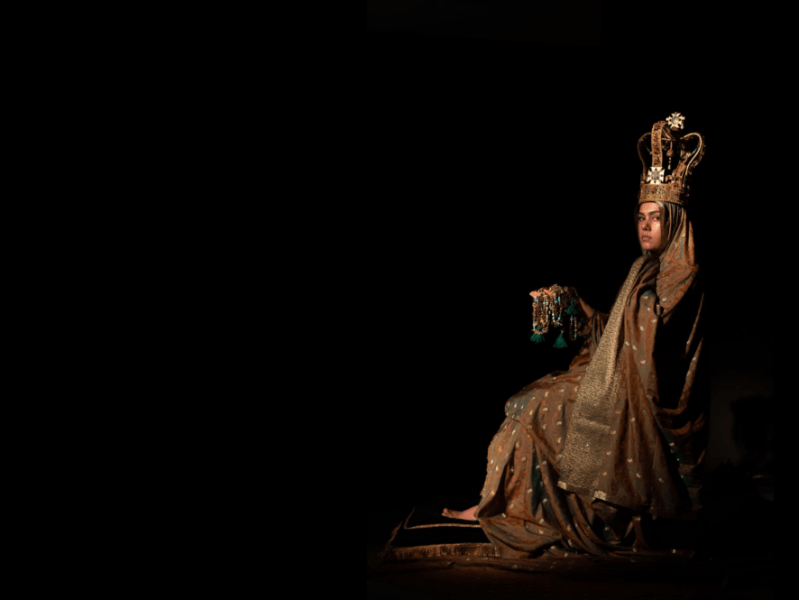
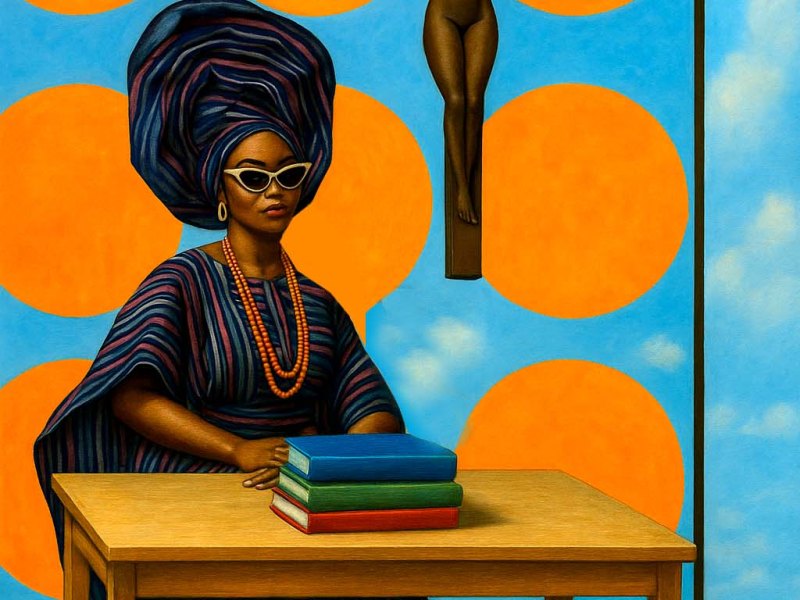
Traditional African textiles are far more than decorative fabrics; they are carriers of meaning, memory, and identity. Across the continent, cloth functions as a visual language through which communities express social status, spiritual beliefs, history, and collective values. Textiles such as Aso Oke, Kente, Adire, and Seghosen reveal how African… Listen ⇢
-
Aníkúlápó 2: When Expectation Meets Disappointment
Kunle Afolayan’s Aníkúlápó arrived with enormous cultural weight when its first season premiered. Rooted in Yoruba mythology and powered by strong visual ambition, it promised a cinematic universe that could evolve with depth, mysticism, and technical growth. Unfortunately, Aníkúlápó: Season 2 – The Ghoul Awakens, struggles to live up to… Listen ⇢

-
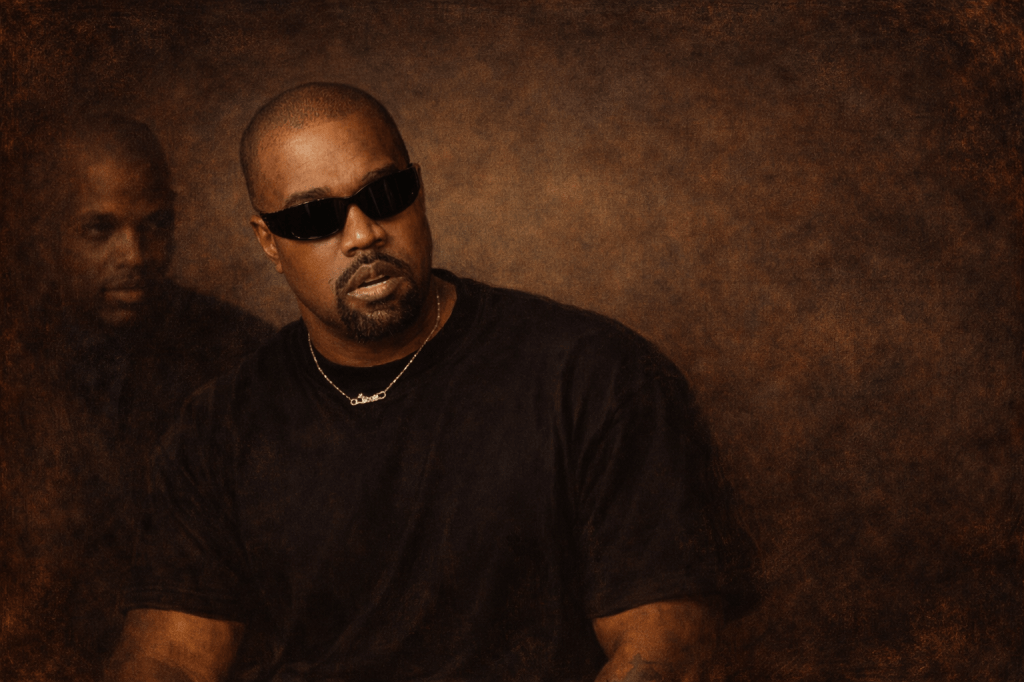
Recognition Without Reward: Nigerian Artists and the 2026 Grammy Snub
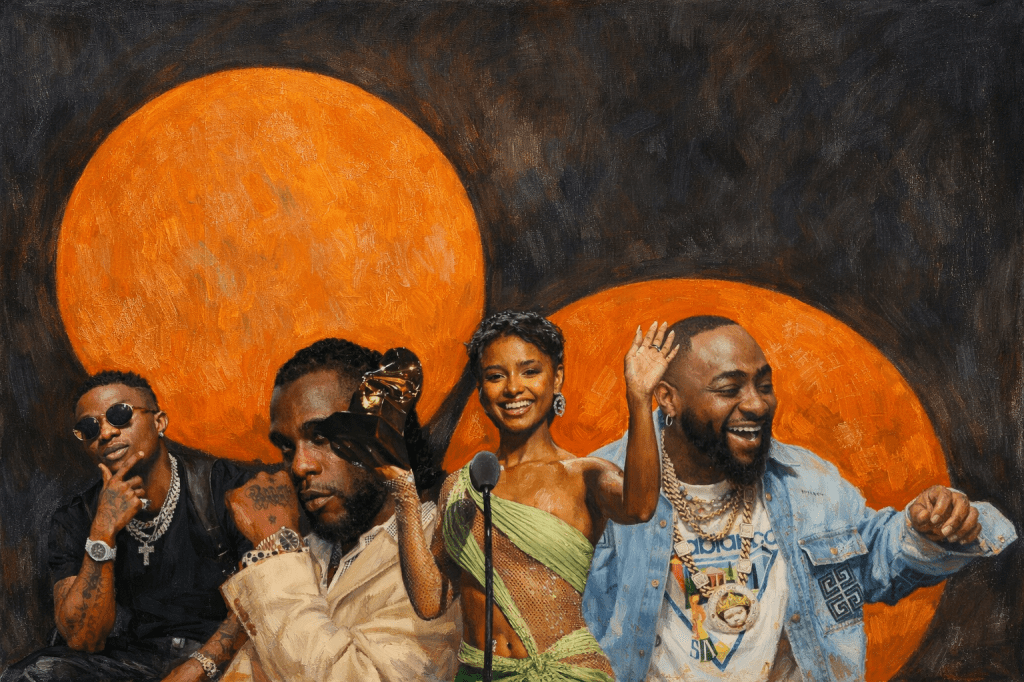
The 2026 Grammy Awards once again placed African music at the center of global attention, but the outcome left many fans across the continent, especially in Nigeria, with a sense of frustration and unfinished celebration. This year saw strong nominations for Burna Boy, Ayra Starr, Omah Lay, Davido, and Wizkid,… Listen ⇢
-
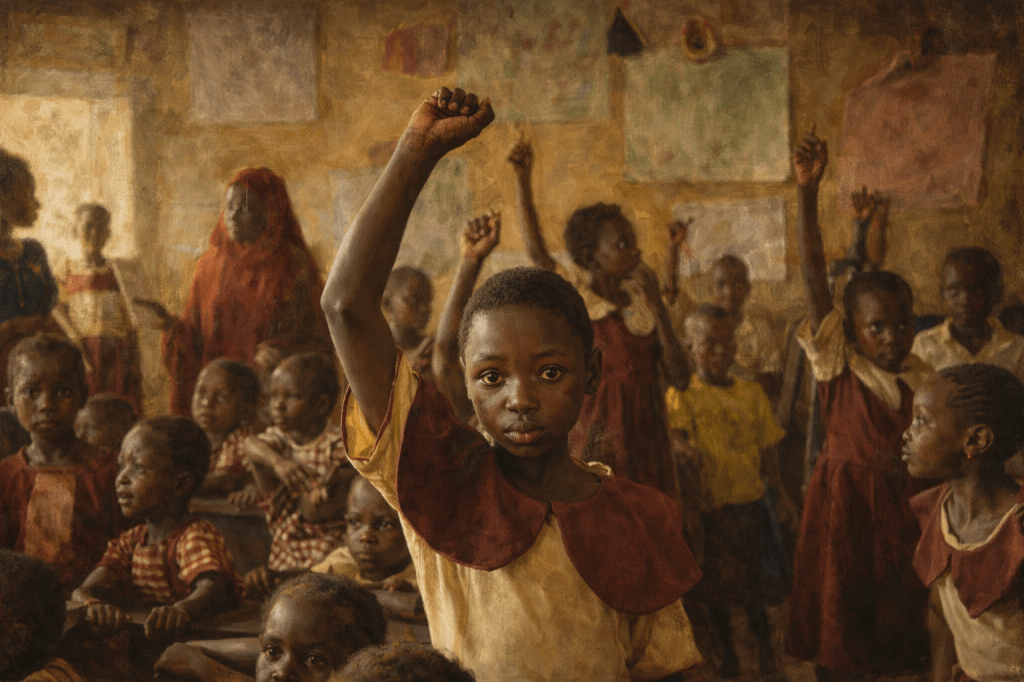
Between Trends and Self: How Social Media Is Reshaping African Youth Identity
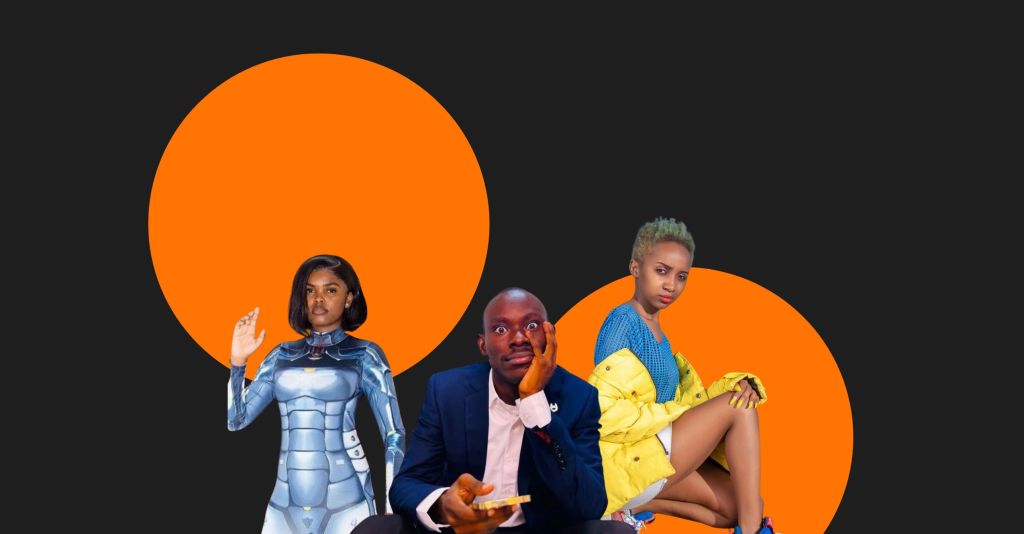
Social media has become one of the most powerful forces shaping the identity of African youth today. From Lagos to Nairobi, Accra to Johannesburg, platforms like Instagram, TikTok, X, and YouTube are no longer just tools for communication. They are spaces where identity is formed, tested, and performed. For many… Listen ⇢
-
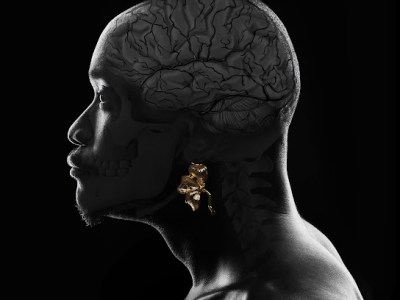
The Enlightenment and Why Africa Is Being Left Behind
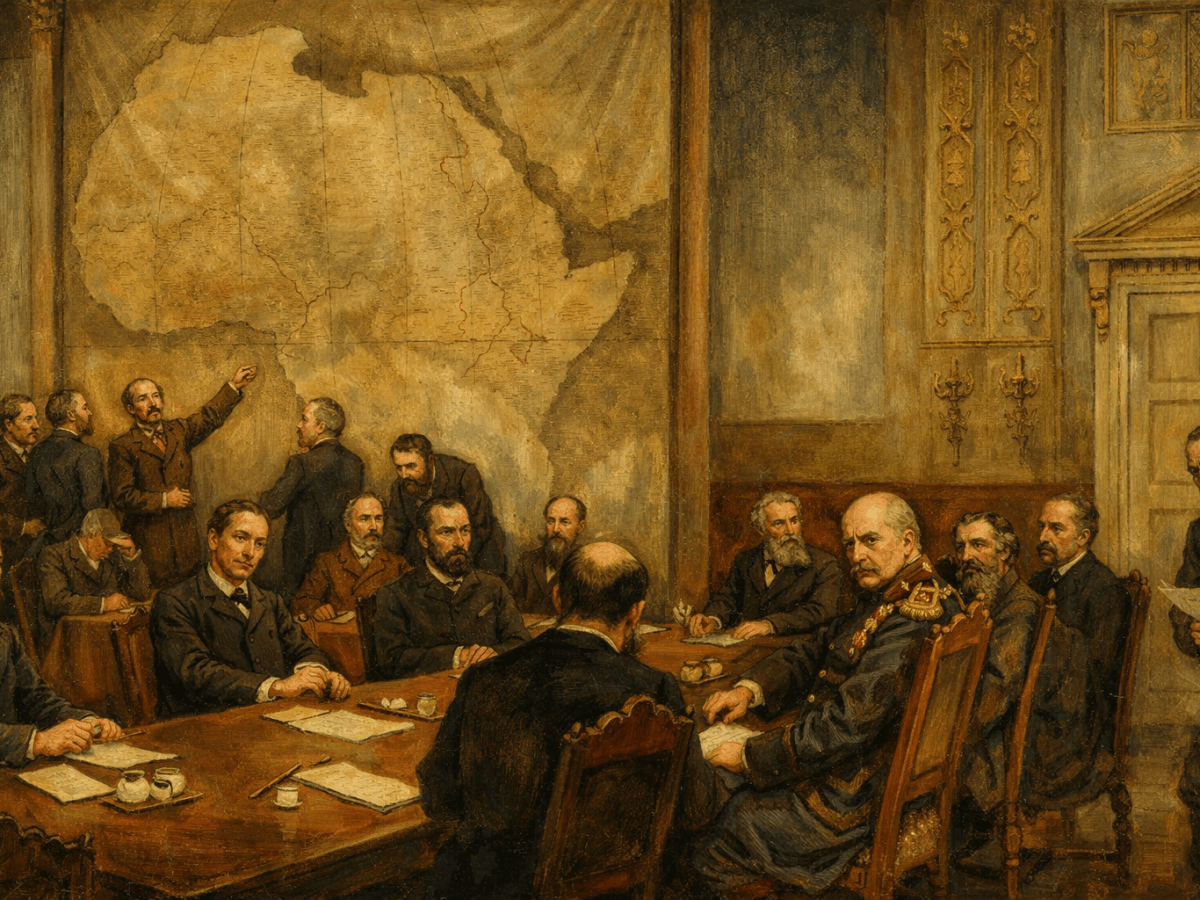
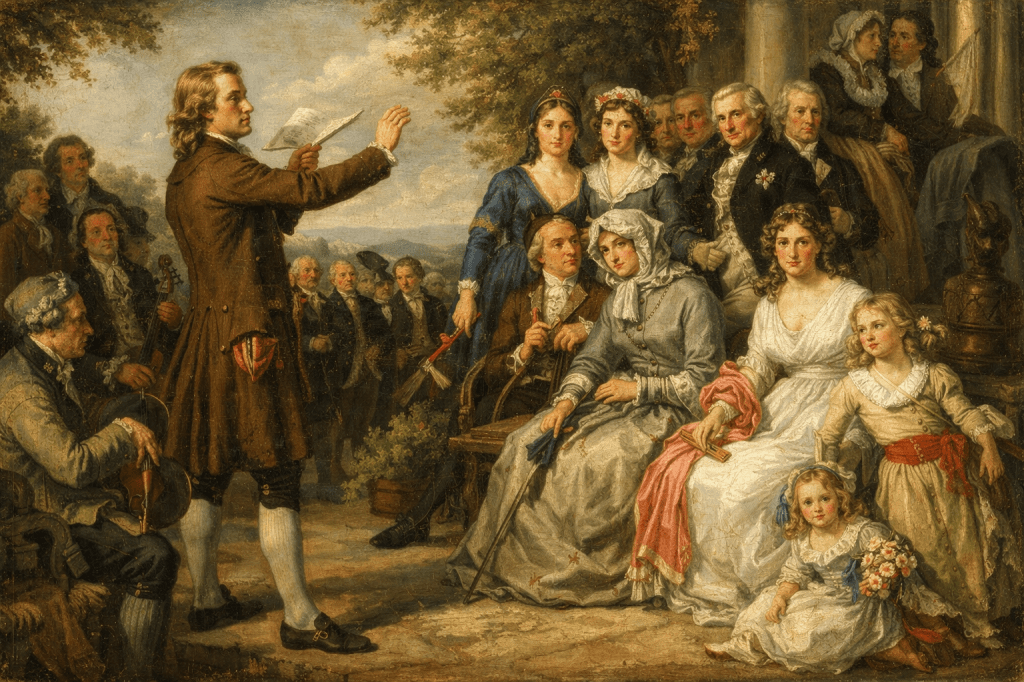
Written by Kelvin O Johnson When I look at Africa today, all I see is the western world In the Middle and dark Ages, The western world use to be very very superstitious and extremely religious. People believed emphatically in all kinds of stupid and nonsensical things, some of which… Listen ⇢
-
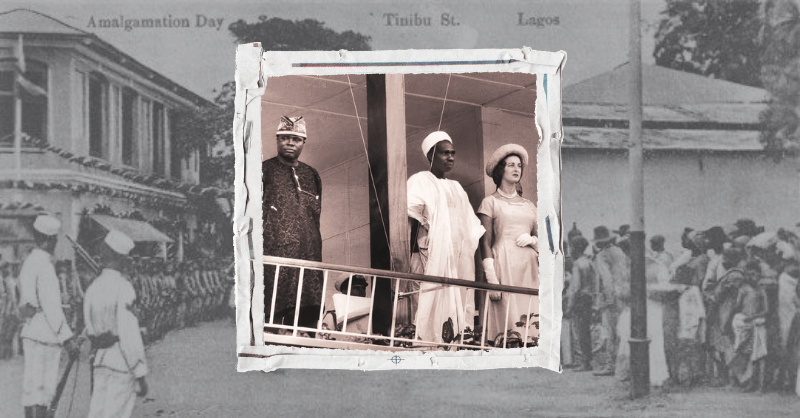
How Colonial-Era Histories Distorted Pre-Colonial Nigeria
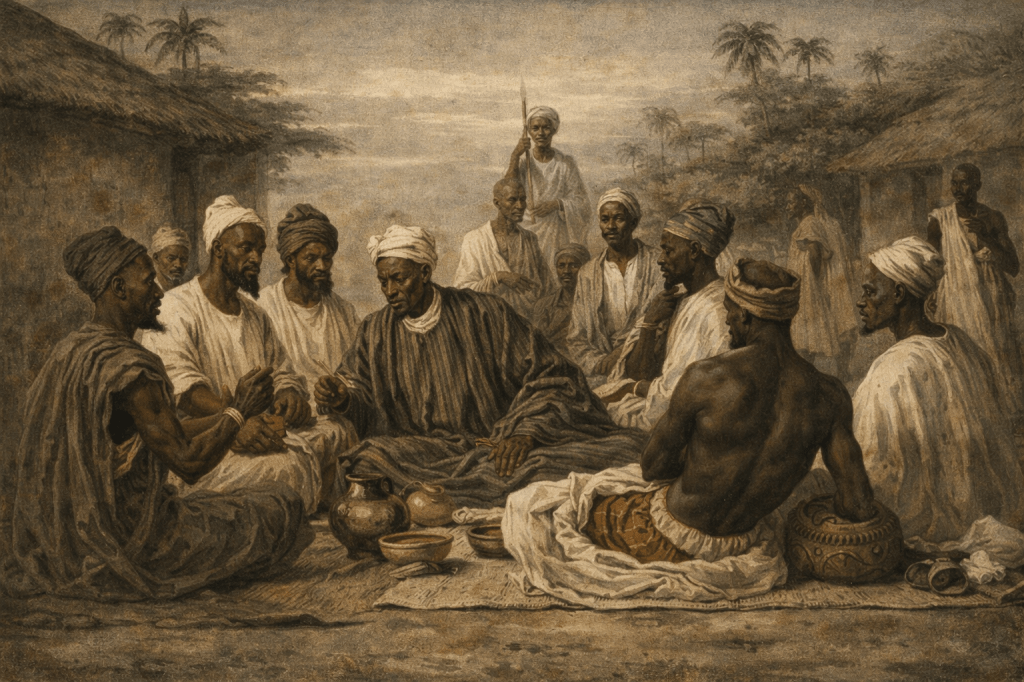
Pre-colonial Nigerian history did not begin with European contact, yet much of what is widely accepted today was filtered, reshaped, and in some cases distorted through the lenses of early colonial writers. These writers, often Africans educated under missionary systems or Europeans documenting societies for imperial interests, became the gatekeepers… Listen ⇢
-
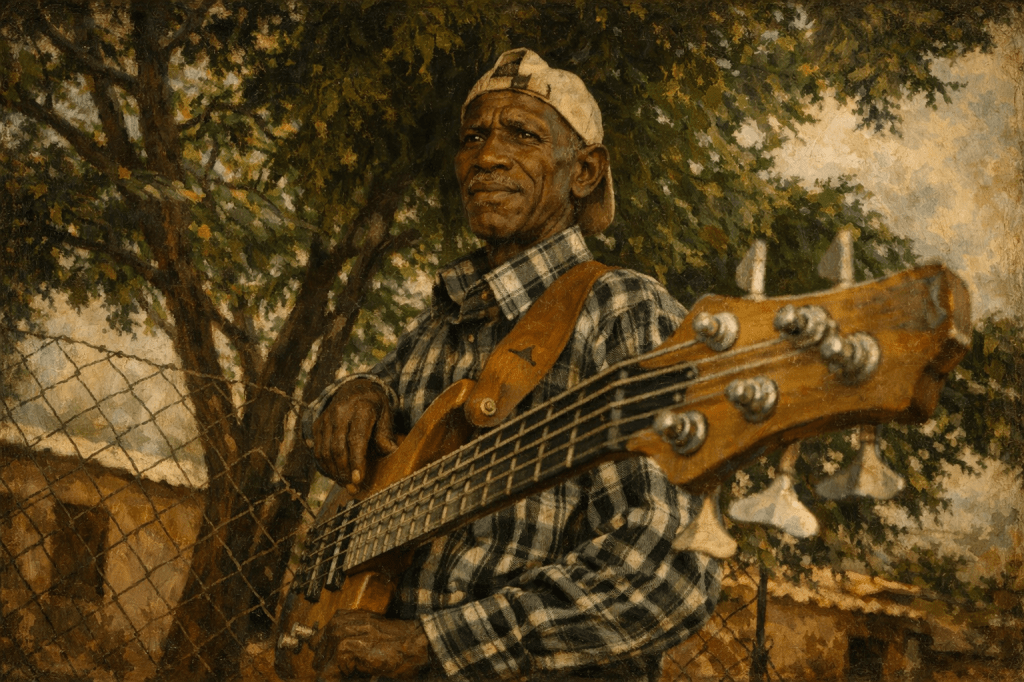
Africa’s Sounds and the Uncredited Roots of Global Genre
African music is finally receiving a level of global recognition that reflects its true influence, and this year’s Grammy nominations mark a powerful moment in that ongoing journey. Nigerian artists once again feature prominently on the nomination list, reinforcing the global reach of Afrobeats and contemporary African sounds. Beyond the… Listen ⇢