-
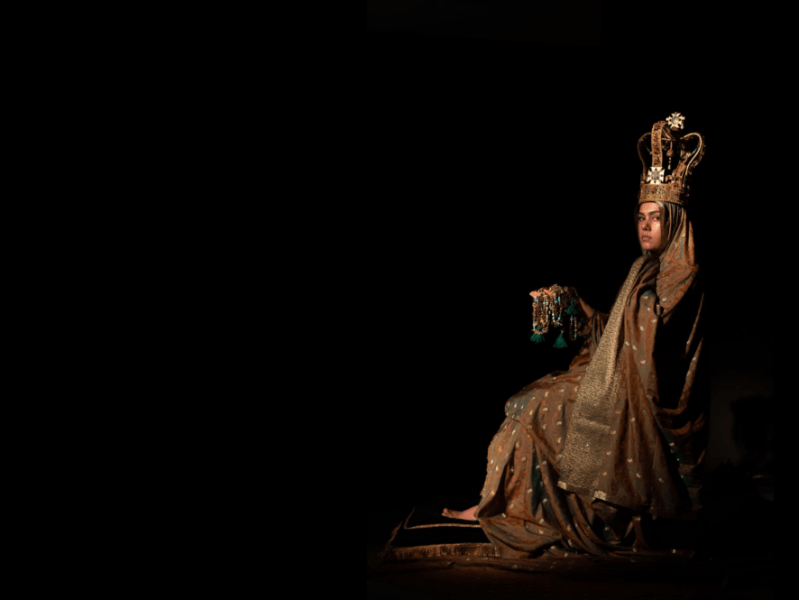
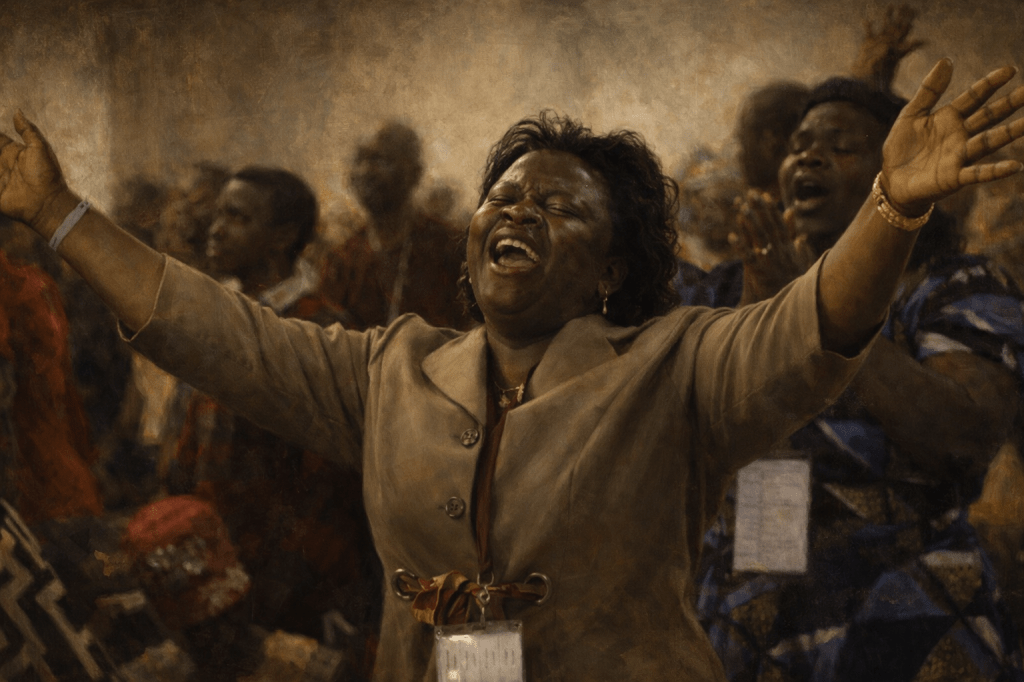
Faith, Power, and Unchecked Authority: The Cost of Spiritual Abuse in Nigeria
Faith holds immense power in Nigeria. For millions, the church is not just a place of worship but a source of guidance, healing, community, and hope. Pastors are entrusted with deep spiritual authority, often influencing personal decisions about marriage, finances, health, and family. But when this authority is left unchecked,… Listen ⇢
-
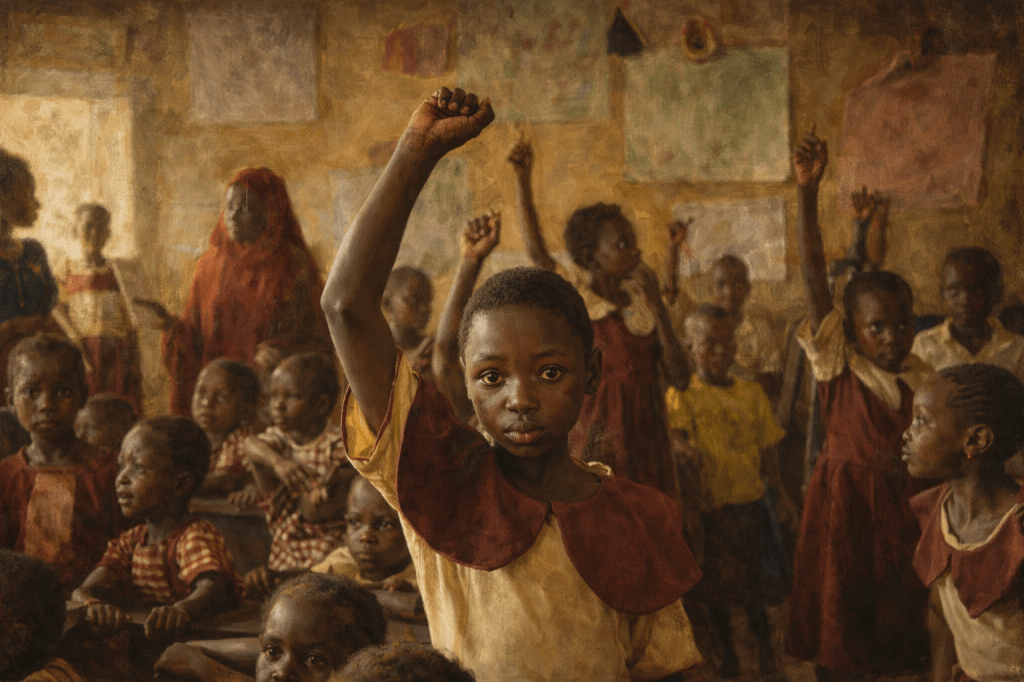
Colonial Classrooms and the Policing of Black Hair
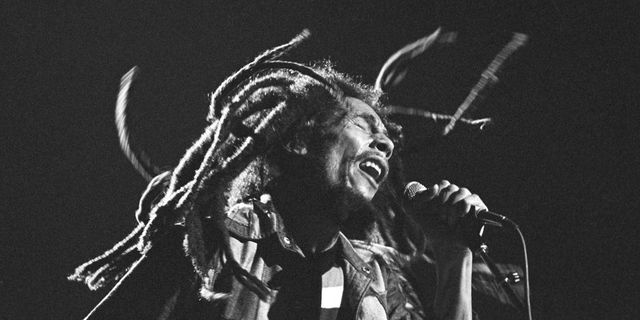
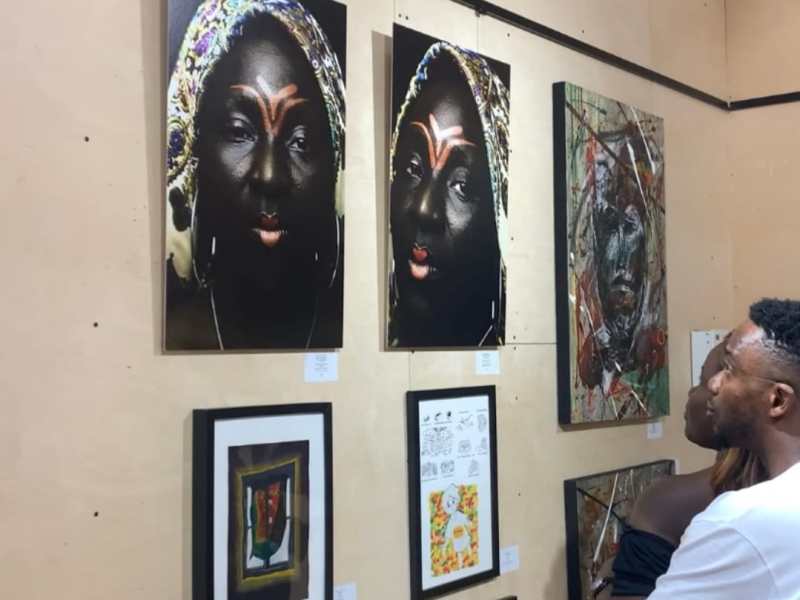
One of the most enduring legacies of colonialism in Africa is not only found in political borders or economic structures, but in the education systems inherited by post-colonial states. In Nigeria, many school rules, disciplinary practices, and ideas of “proper appearance” are direct continuations of colonial education models designed by… Listen ⇢
-
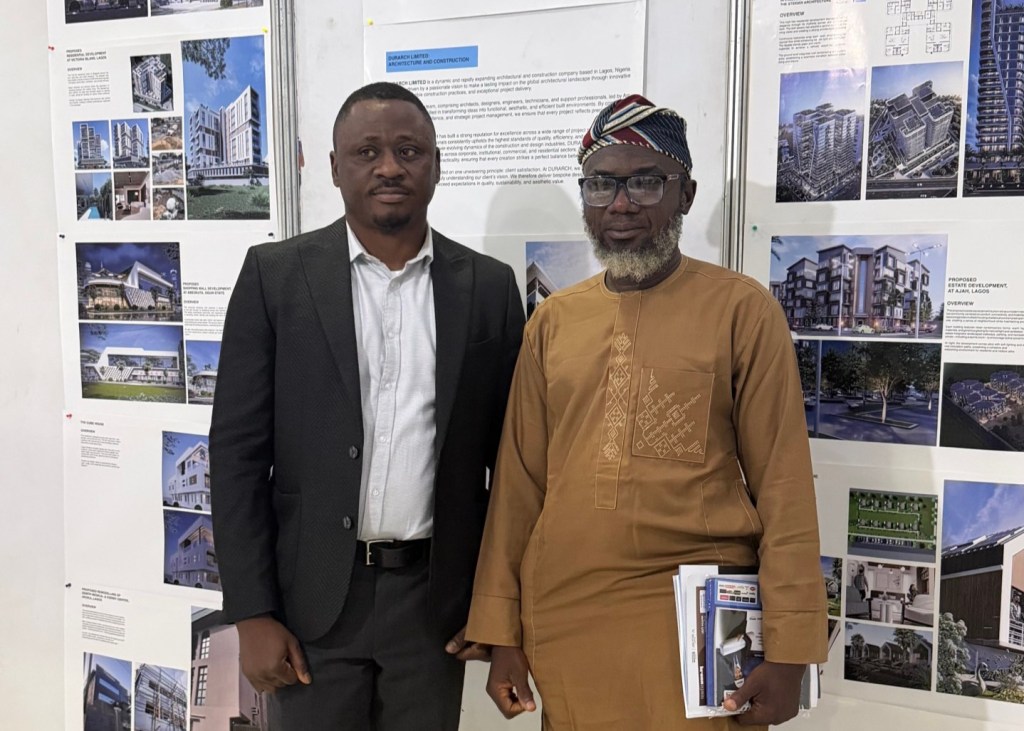
Designing for Resilience: Arc. Durojaiye Rotimi Ale at the 65th NIA AGM
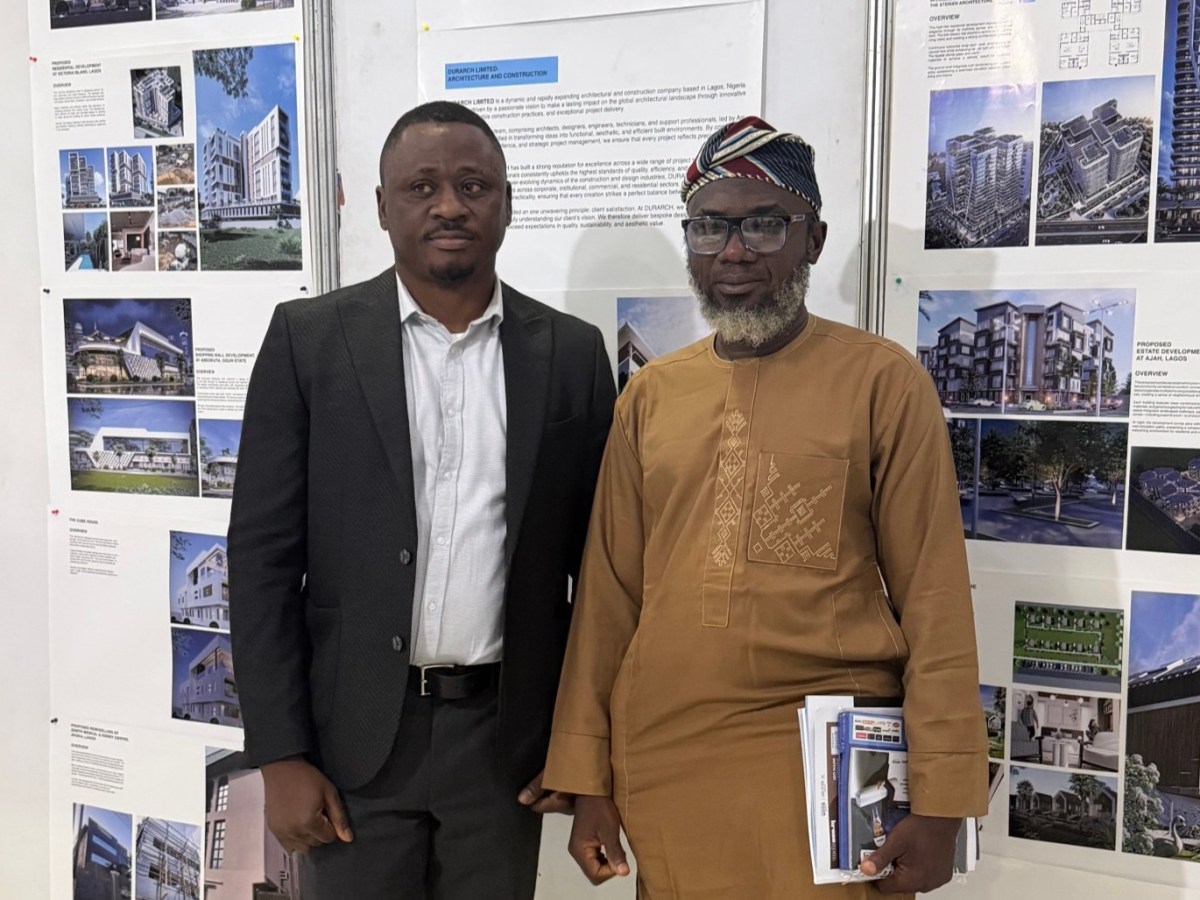
Arc. Durojaiye Rotimi Ale’s architectural drawings at the Nigerian Institute of Architects’ 65th Annual General Meeting, Conference & Exhibition showcase a self-assured, forward-thinking body of work that perfectly complements the conference’s theme, Architectural Excellence for Economic Resilience. In Nigeria’s quickly changing urban terrain, the exhibition articulates architecture not just as… Listen ⇢
-
Colonial Borders in Africa and the Ethnic Conflicts They Created
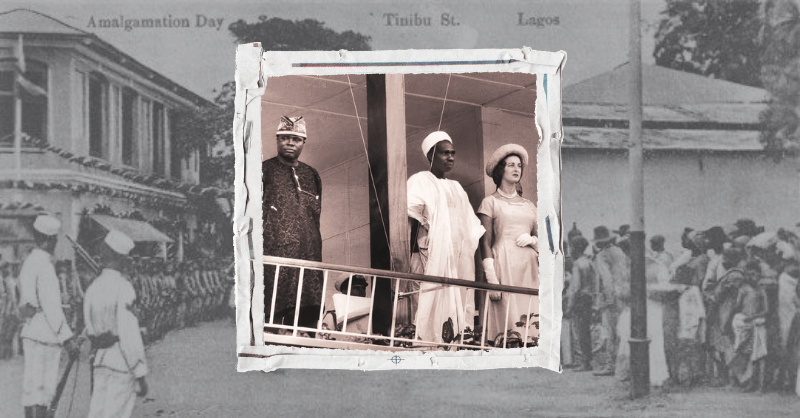
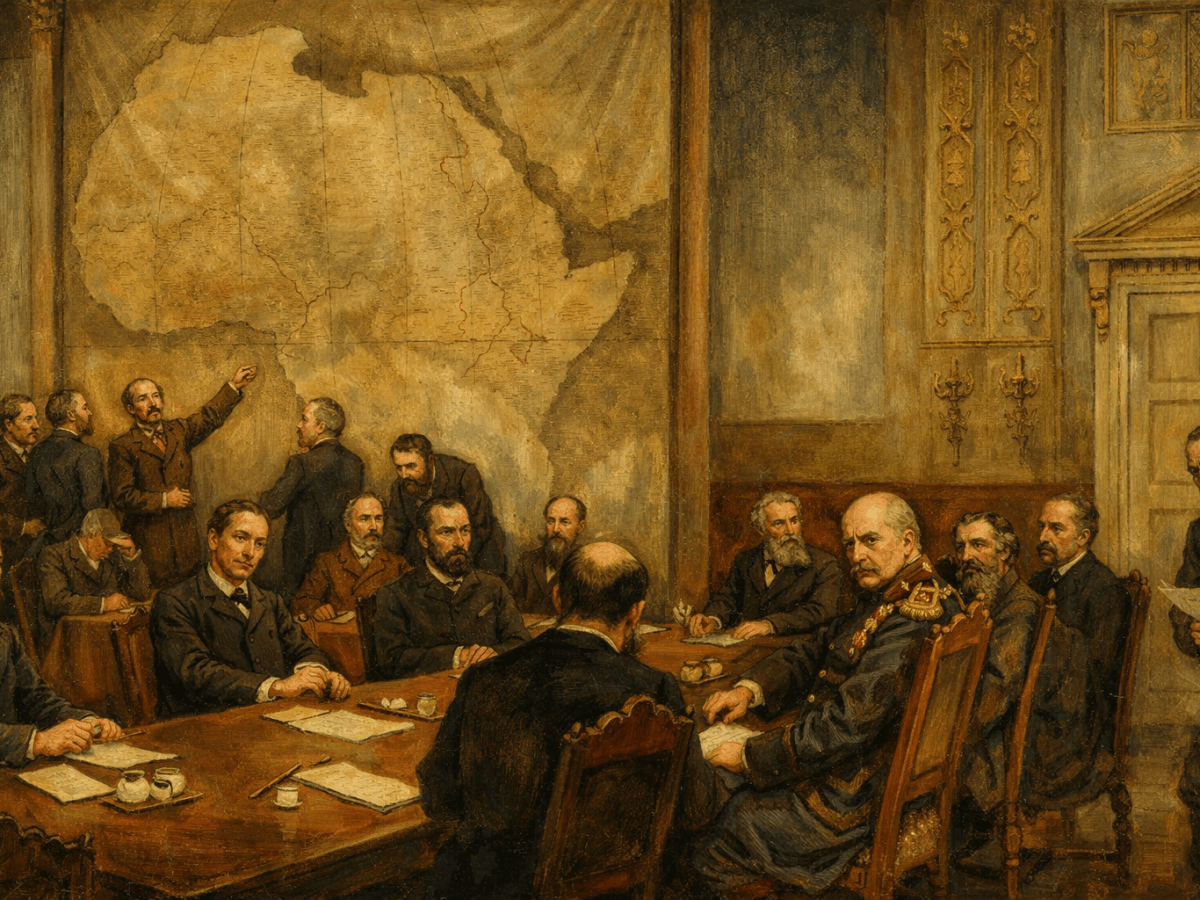
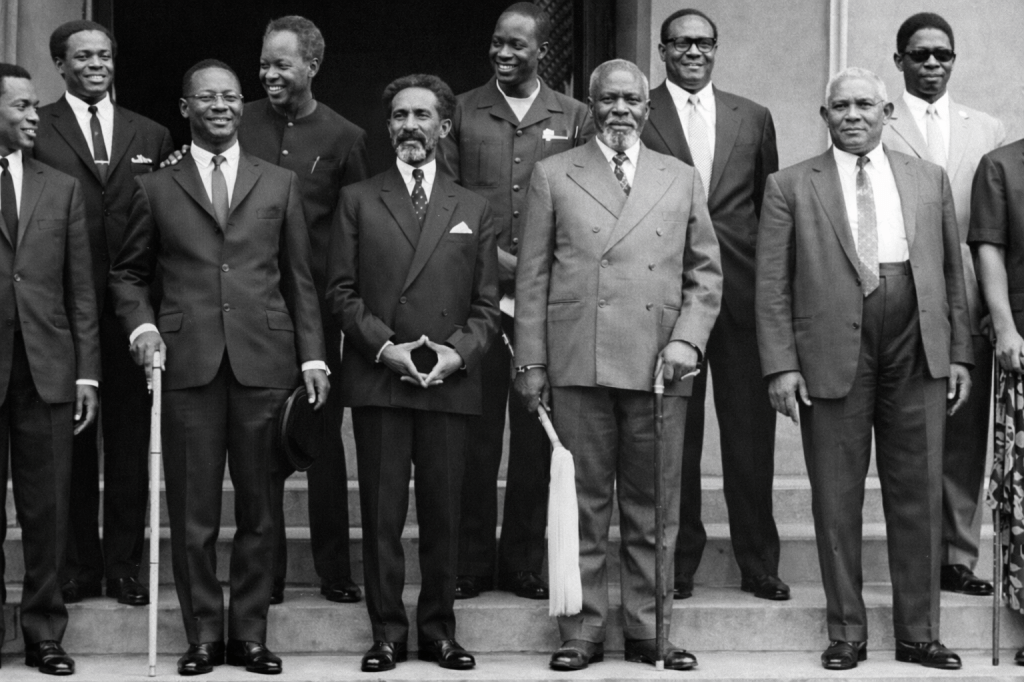
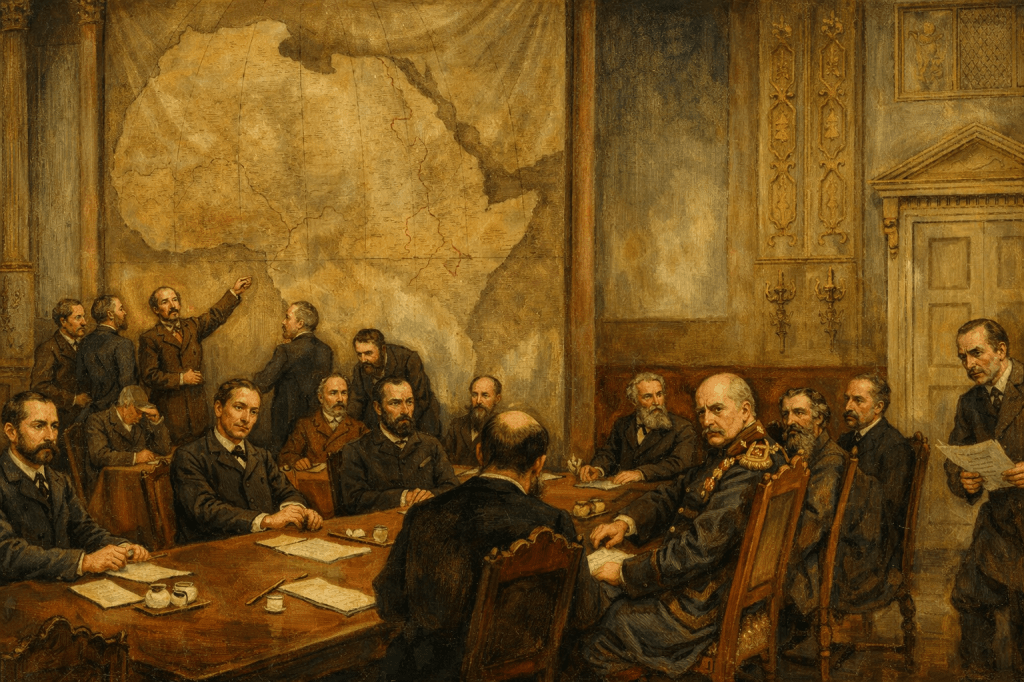
One of the most enduring damages of colonial rule in Africa is not only economic exploitation or political domination, but the artificial borders imposed on the continent, borders that ignored history, culture, and human relationships. These colonial boundaries, drawn with rulers on maps far from Africa, disrupted societies that had… Listen ⇢
-
Normalisation of Begging:Why Nigeria Needs a Social Restructuring?
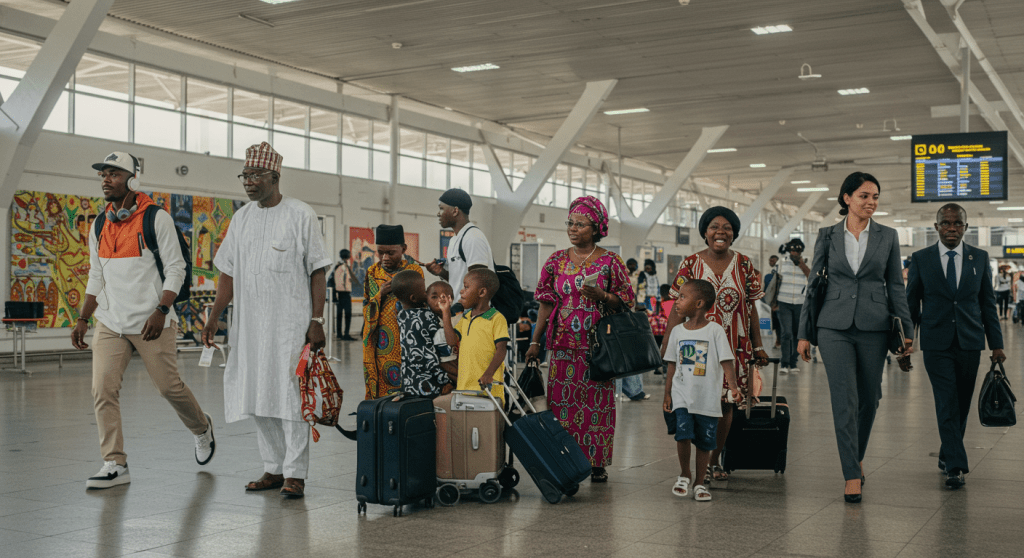
One of the most uncomfortable truths Nigerians rarely confront honestly is how begging has slowly been normalised in public life. What was once associated with extreme hardship or social displacement has, over time, become casual, transactional, and disturbingly acceptable. From streets to offices, from checkpoints to airports, begging has evolved… Listen ⇢
-
Nigeria, Nepotism, and the Grey Area of Merit
Nepotism is one of the most charged words in Nigeria’s public discourse. It evokes images of undeserved privilege, closed doors, and opportunities handed out based on surname rather than skill. And in many cases, that criticism is justified. Nigeria has suffered deeply from systems where access replaces competence and loyalty… Listen ⇢

-
What IShowSpeed’s Lagos Visit Says About Nigeria’s Image
IShowSpeed’s visit to Lagos was a reminder of how powerful digital influencers have become in shaping global perceptions of place, culture, and people. With a single livestream, millions of viewers across the world encountered Nigeria not through documentaries, policy reports, or curated tourism campaigns, but through spontaneous interactions on the… Listen ⇢

-
African Naming Systems, Identity and Survival in the Diaspora
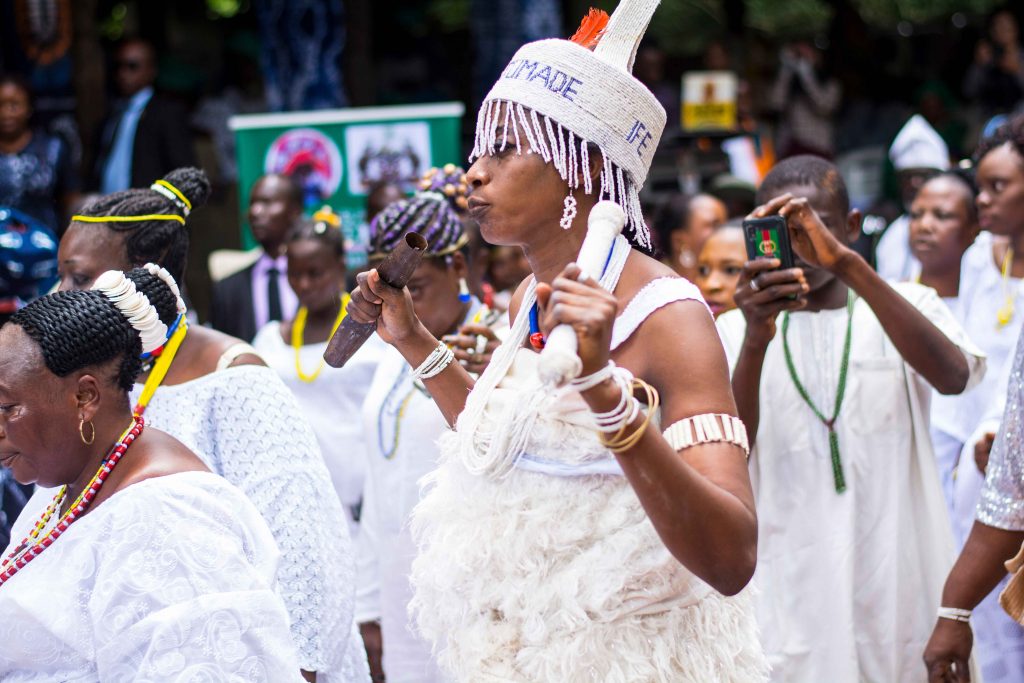
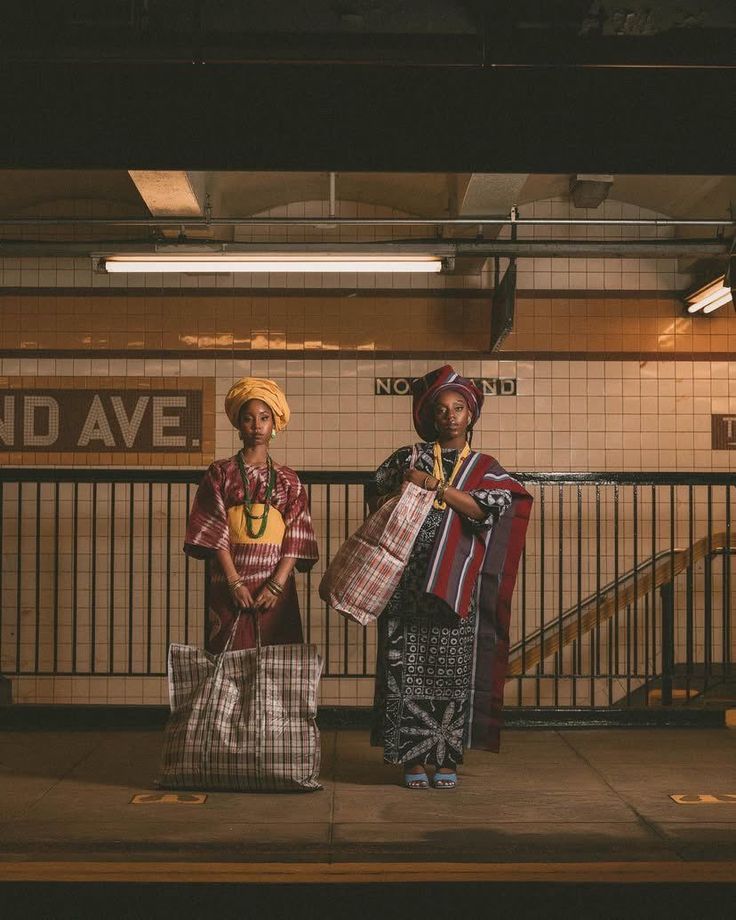
African naming systems are not casual labels or decorative sounds. They are living archives of history, belief, lineage and identity. Across many African societies, names are deliberately chosen to reflect circumstance, ancestry, spirituality, profession, hope and collective memory. A name is often the first story told about a person, situating… Listen ⇢
-
Rethinking Spiritual Architecture, Development, and Civilisation in Africa
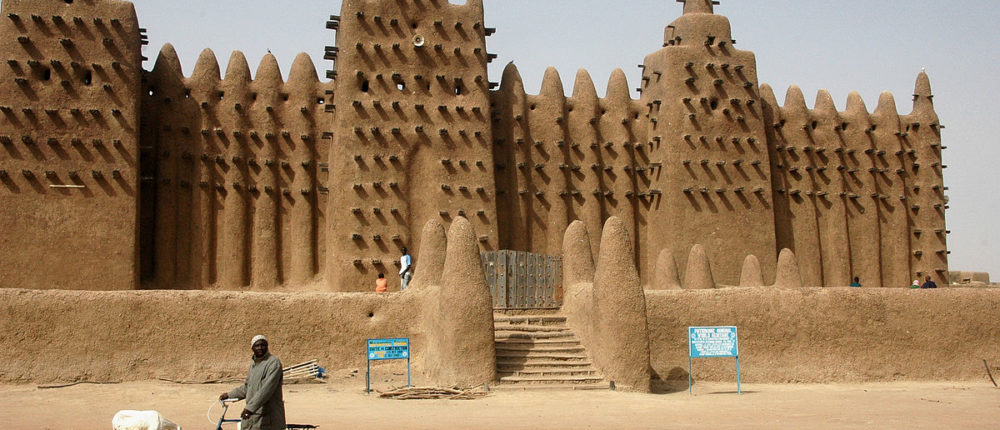
Across Africa, sacred sites and ancestral shrines continue to exist quietly within villages, towns, forests, courtyards, and family compounds. Many of these shrines are modest in size, sometimes no more than a small structure of clay, wood, stone, or earth. To the untrained or biased eye, this physical modesty has… Listen ⇢