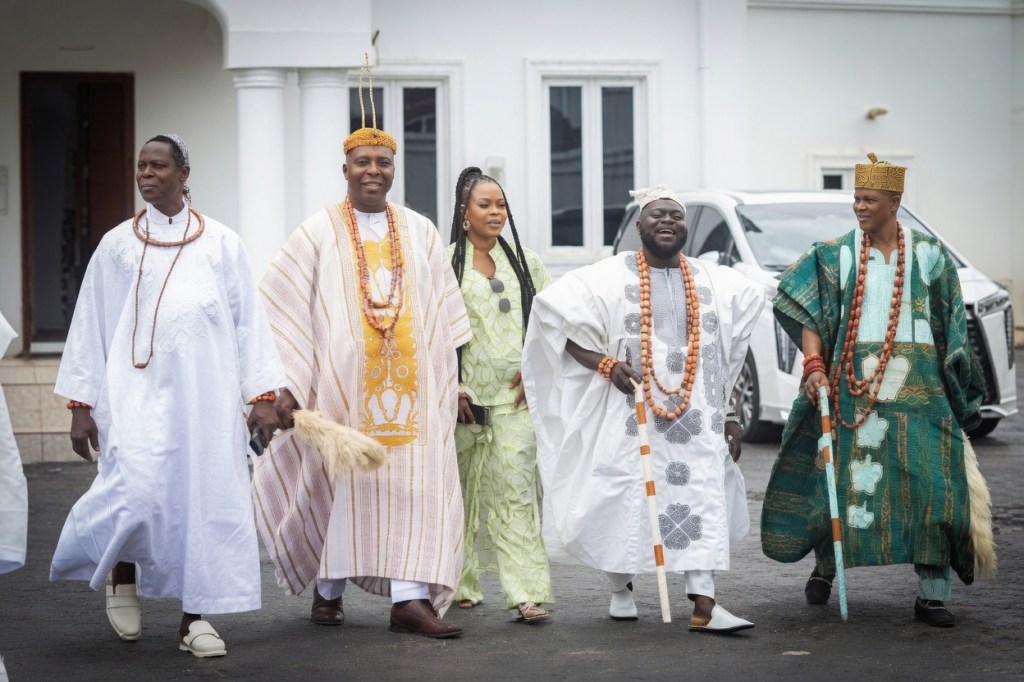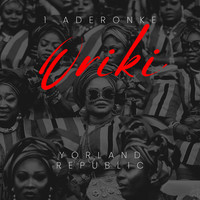
There is something deeply moving about hearing a people celebrate their history, identity and ancestral roots through words. In Yoruba culture, oríkì is more than praise singing. It is a living expression of heritage, a way of preserving collective memory, honouring ancestry and reminding people of the stories that shape who they are. It is within this rich cultural tradition that 1Aderonke’s Oriki project finds its strength, offering a musical celebration of the pride, history and distinctive identities of different Yoruba towns.
The project focuses on Oyo, Awori, Ibadan, Ijesa, Ijebu and Eko, bringing their identities to the forefront through brilliantly expressed praise chants. Each town carries its own historical experiences, cultural peculiarities and sense of belonging, and the project draws on the power of oríkì to celebrate these differences while highlighting the shared heritage that connects the Yoruba people.
What makes the project particularly compelling is its emphasis on place and identity. Rather than treating Yoruba culture as a single, undifferentiated tradition, Oriki recognises the richness that exists within it. Oyo, Ibadan, Ijesa, Ijebu, Awori and Eko each have their own cultural associations, histories and traditions. By giving these communities individual attention through praise chants, 1Aderonke creates room for listeners to appreciate the diversity within Yoruba identity and the pride that people attach to their ancestral homes.
The strength of the project also lies in its ability to make a traditional art form feel engaging and relevant. Oríkì has long served as an important vehicle for transmitting history, values, reputation and communal memory from one generation to another. In this project, that tradition becomes a means of reconnecting listeners with their cultural roots. For those who grew up hearing praise poetry within their families and communities, the chants may evoke familiar memories and a sense of belonging. For younger listeners and members of the Yoruba diaspora, they offer an opportunity to encounter and appreciate a cultural inheritance that deserves to remain alive.
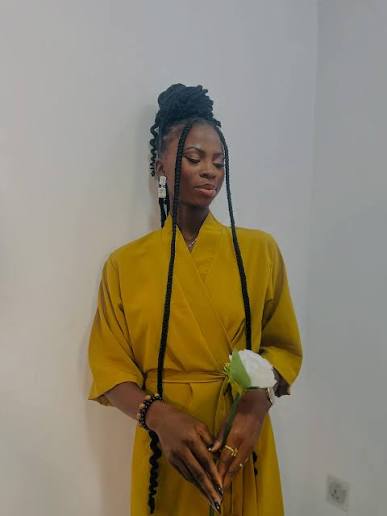
A significant part of the project’s execution can be attributed to its producer, Azuka Olie, whose work with several Nigerian artists brings additional creative experience to the collaboration. The partnership between 1Aderonke and Olie demonstrates the value of combining cultural intention with thoughtful musical production. The result is a project that places Yoruba praise poetry at the centre of its artistic expression, allowing the chants to communicate their cultural significance rather than treating heritage as a mere decorative element.
The collaboration is especially important at a time when cultural preservation increasingly depends on finding ways to present traditional expressions to contemporary audiences. Music can serve as a bridge between generations, making cultural knowledge accessible beyond the immediate communities in which it originated. By centring the praise chants of six Yoruba communities, Oriki contributes to that wider conversation about how heritage can be celebrated, preserved and passed on through creative work.
Beyond its musical appeal, the project carries a broader cultural message. It reminds listeners that pride in one’s identity does not have to come at the expense of appreciating the identities of others. The celebration of Oyo, Awori, Ibadan, Ijesa, Ijebu and Eko illustrates the many strands that make up Yoruba cultural life. Each community has something to contribute to the larger story, and each deserves to have its traditions remembered and celebrated.
Ultimately, 1Aderonke’s Oriki is a meaningful tribute to Yoruba heritage and the enduring power of praise poetry. Through the combined efforts of the artist and Azuka Olie, the project brings together music, cultural memory and communal pride in a way that resonates beyond entertainment. Its greatest value lies in its recognition that cultural identity is something to be cherished, expressed and carried forward. By giving voice to the histories and identities associated with these Yoruba towns, Oriki celebrates not only where people come from, but also the cultural legacy they inherit and have a responsibility to preserve.